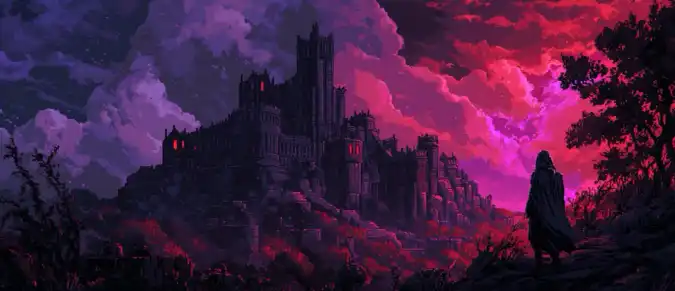

RavenQuest is a unique MMORPG combining elements of classic gameplay with modern blockchain technologies. Players can explore a vast virtual world, complete quests, create characters with unique attributes, and earn through the in-game economy.
Each in-game item or asset becomes the player's property thanks to NFT integration. RavenQuest offers a wide range of opportunities for interaction with the game world, making the process engaging for fans of traditional MMORPGs and those interested in blockchain technologies.
- RavenQuest: Gameplay Features
- RavenQuest Game Economy
- Blockchain and NFT
- Professions and Crafting
- Earning Opportunities in RavenQuest
- Conclusion
RavenQuest: Gameplay Features
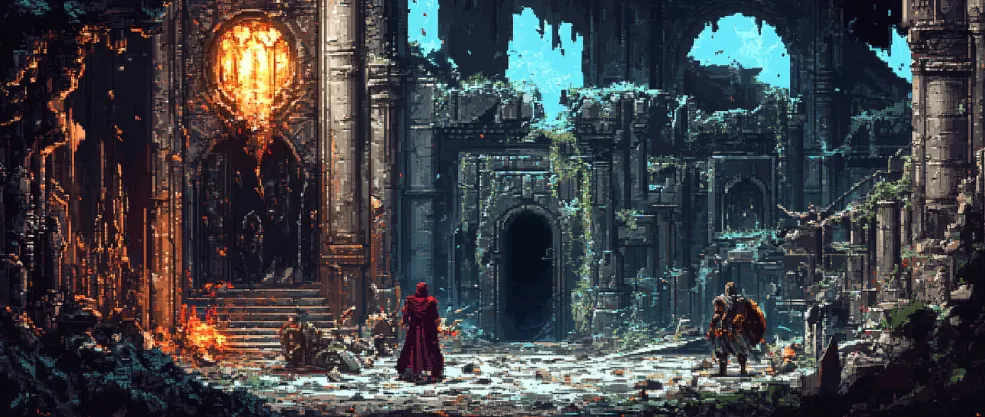
RavenQuest stands out for its deep mechanics of character customization and exploration of a large, content-rich world. Players can interact with a dynamic environment where every decision influences the development of the game world.
Archetypes and Character Development
The archetype system allows players to choose three out of eight available paths to create a unique class. Each archetype includes 18 abilities, providing players with more than 50 possible combinations. This customization lets players tailor their characters to specific play styles, whether it’s a powerful warrior, agile archer, or cunning mage.
World Exploration
The world of RavenQuest is filled with mysteries, hidden treasures, and unique locations. Players can explore cities, dungeons, wilderness, and even build their own bases. The game world reacts to player actions, creating a sense of immersion in a living ecosystem.
Additionally, the game offers:
- Challenging puzzles and quests.
- Opportunities to participate in massive guild wars.
- Support for collective raids on powerful bosses.
After completing these tasks, players can continue exploring the world, improving their skills, and creating new economic chains for more efficient interaction with the environment.
RavenQuest Game Economy
The economy of RavenQuest is based on player interactions, with trade and production at its core. The economy is entirely player-driven, making it realistic and dynamic.
The in-game economy is built on two currencies:
- Silver Coins — used for local trading.
- $QUEST Token — the primary digital asset, exchangeable for real money through external exchanges.
Trade Packs
Players create trade packs using collected resources. These packs are transported between trade posts, where prices for goods are determined by supply and demand. The further the market is from production, the higher the profit.
| Economic Element | Description | Benefits |
|---|---|---|
| Trade Packs | A combination of resources for transport | High profit on long routes |
| Markets | Dynamic pricing system | Encourages strategic planning |
| $QUEST Token | Digital currency with exchange potential | Access to real-world economy |
Such a system stimulates interaction between players and the creation of complex economic chains. Strategic planning becomes an essential part of gameplay, and successful trade provides access to rarer resources and higher rewards.
Blockchain and NFT
RavenQuest is built on the Immutable zkEVM blockchain, ensuring secure ownership and transfer of in-game assets. The NFT technology allows players to truly own their items, adding real-world value to the gameplay experience.
RavenCards are a key element of the ecosystem. These unique NFT cards customize character abilities. Cards are divided into several rarity categories and can be upgraded to provide strategic advantages for players.
Additionally, the game includes land plots, which are also NFTs. Landowners can build houses, farms, set up trading posts, and extract resources. The limited availability of land increases its value both within and outside the game.
Blockchain integration makes the gameplay transparent and provides earning opportunities through asset trading on external platforms.
Professions and Crafting
One of RavenQuest's main features is its profession system. Players can choose a profession that best suits their playstyle and specialize in creating unique items or offering services.
Examples of professions:
- Blacksmithing: crafting weapons and armor.
- Farming: growing crops and raising animals.
- Weaving: producing clothing and materials.
Professions are closely tied to the in-game economy. For example, farmers supply resources to blacksmiths, who produce equipment for PvP battles. This interdependence strengthens the economic structure of the game.
Additionally, players can join guilds to collaboratively develop professions, gaining access to rarer recipes and opportunities.
Earning Opportunities in RavenQuest
RavenQuest offers multiple ways to monetize gameplay. Players can earn through quests, battles, or trade.
Main ways to earn:
- Completing missions with rewards in $QUEST tokens.
- Trading NFT assets, including RavenCards and land plots.
- Engaging in economic activities such as creating and selling trade packs.
The Play-to-Earn model allows players to profit from active participation and strategic resource use. Thus, RavenQuest becomes a platform not only for entertainment but also for real-world earning.
Conclusion
RavenQuest combines classic MMORPG gameplay with innovative blockchain technologies, offering players a unique experience. Through NFT integration, users gain real ownership of in-game assets, such as RavenCards and land plots, which can be freely traded. The player-driven economy and earning opportunities make the game not only engaging but also financially promising. RavenQuest sets a new standard for games that blend entertainment and monetization.











