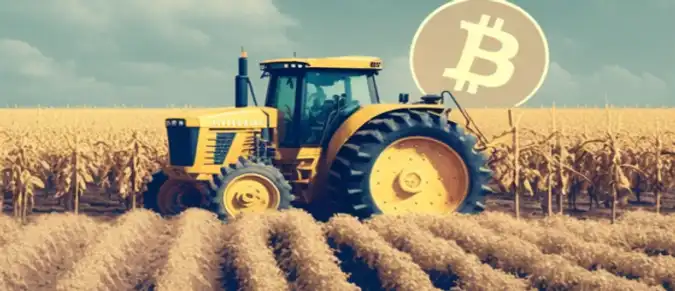

Staking and Yield farming can provide several benefits to cryptocurrency holders, including the potential to earn passive income, participate in the network's operations, and support the security and decentralization of the network.
Staking cryptocurrencies involves holding and locking up your tokens in a wallet or staking pool to participate in the network's operations and earn rewards. Staking is a way to validate transactions and secure the network, and it is becoming an increasingly popular alternative to traditional mining.
Farming cryptocurrencies, also known as yield farming, involves using your cryptocurrency holdings to provide liquidity to decentralized finance (DeFi) protocols and earn rewards in the form of additional tokens or fees. Yield farming is a way to put your crypto assets to work, and it has become increasingly popular as the DeFi ecosystem has grown.
The percentage in staking and yield farming cryptocurrencies is determined by several factors, including:
-
Network demand: The more demand there is for a particular cryptocurrency, the higher the staking and yield farming rewards are likely to be. This is because staking and yield farming rewards are often paid out as a percentage of the network's total transaction fees.
-
Supply and demand of the token: The token's supply and demand can also influence staking and yield farming rewards. If there are more tokens being staked or farmed, then the rewards will likely be lower. Conversely, if there are fewer tokens being staked or farmed, then the rewards will likely be higher.
-
Network consensus: Staking and yield farming rewards are often determined by the consensus rules of the cryptocurrency's network. For example, some networks may offer higher rewards to stakers who have more tokens or who have been staking for longer periods of time.
-
Token inflation: Some cryptocurrencies have inflationary monetary policies, meaning that new tokens are regularly issued. Staking and yield farming rewards may be influenced by this inflation rate, as more tokens being issued could result in lower rewards.
-
Competition: Staking and yield farming rewards can also be influenced by competition between different staking and farming pools. If there are many pools offering high rewards, then rewards across the board may increase. Conversely, if there are few pools offering rewards, then rewards may be lower.
It's important to note that staking and yield farming rewards can fluctuate over time and can be influenced by a variety of factors. It's always a good idea to do your own research and stay up-to-date with the latest developments in the cryptocurrency space before deciding to stake or farm a particular token.











