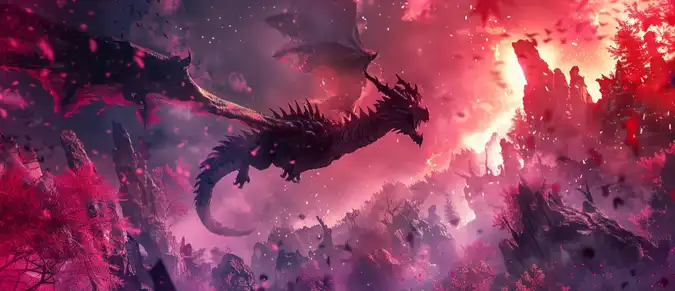

The video game industry has significantly changed in recent years with the introduction of blockchain technologies. Games based on GameFi and NFT concepts create new opportunities for interaction and earning, turning gameplay into a full-fledged economic system. A prominent example of such an approach is Dragon Slither—an innovative game combining PvE and PvP elements with unique tokenomics and NFT utilization. Here, players can engage in battles, develop their characters, and receive real rewards for their achievements in the game.
Contents:
- Overview of Dragon Slither
- Gameplay
- Economy and Tokens
- NFTs and In-Game Assets
- Development Plans and Roadmap
- Team and Partners
- Conclusion
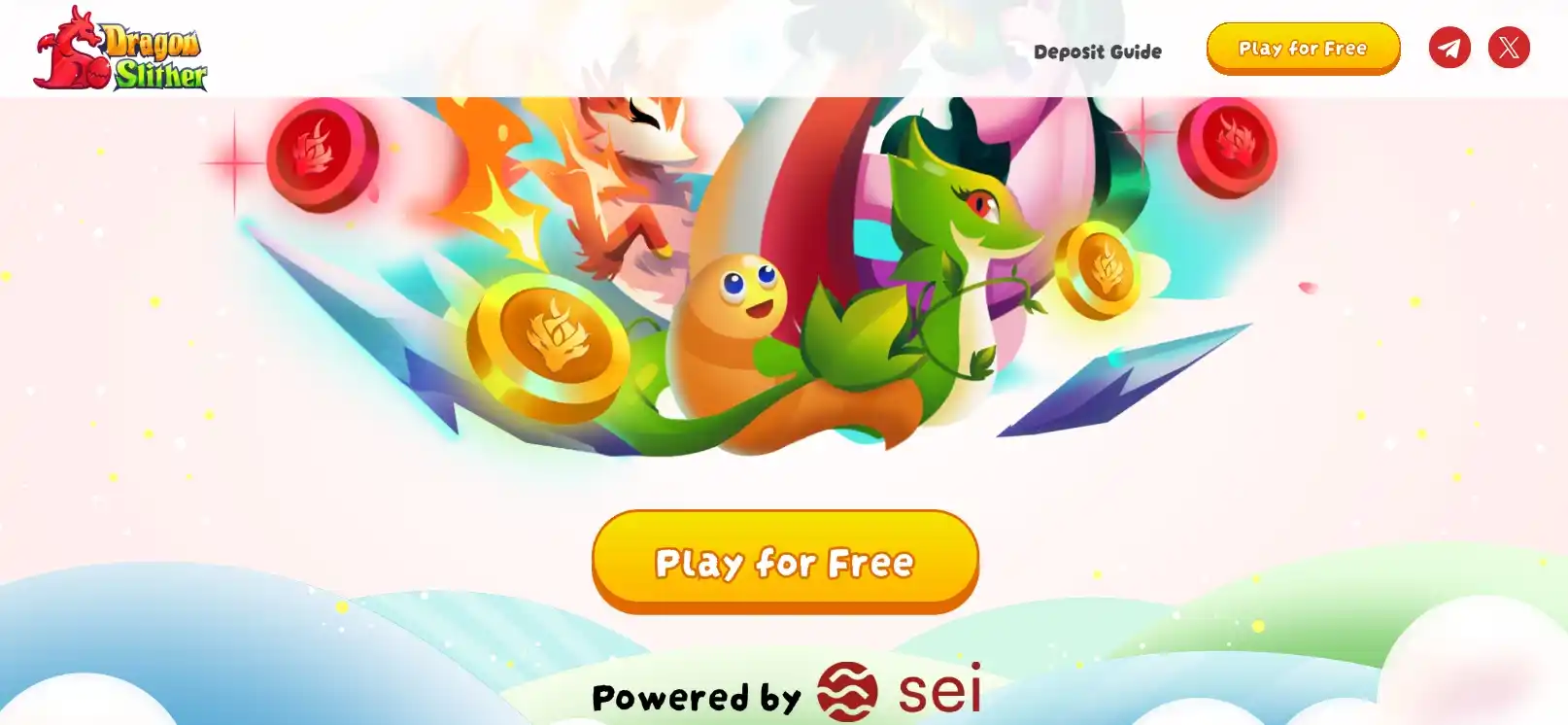
Overview of Dragon Slither
Dragon Slither is an innovative blockchain game that creates a unique gaming experience through the use of distributed ledger technology. It combines PvE and PvP modes, allowing players to battle virtual opponents and each other in real-time. The main goal of the game is to develop and strengthen your dragon, participate in dynamic battles, and earn rewards in the form of tokens and NFTs. Players can use earned resources to enhance their characters, making the process exciting and economically beneficial.
Gameplay
In Dragon Slither, players control dragons that evolve and grow stronger as the game progresses. In PvE mode, users fight various monsters and complete quests to earn rewards. PvP mode allows players to compete against each other in real-time, showcasing their skills and strategic thinking.
One of the key features of the game is the ability to earn tokens automatically through mechanisms like "Egg Hatching," which lets players generate income even while offline.
Economy and Tokens
The Dragon Slither economy is based on two key tokens:
- $DRAGON—an in-game currency earned by completing quests and participating in battles.
- $DGN—the platform's main token, used for purchasing NFTs, conducting transactions, and paying for services.
Players can convert $DRAGON to $DGN, expanding their opportunities within the ecosystem, including participating in economic operations and acquiring rare game assets. This model supports flexibility and dynamism in the game's economy.
NFTs and In-Game Assets
Dragon Slither integrates NFTs to create unique in-game assets, including:
- Dragons: Each dragon has unique characteristics and can be sold or exchanged on an NFT marketplace.
- Equipment and Skins: Items that enhance dragon attributes or change their appearance.
Players can own, sell, and trade their assets, forming a dynamic economy where in-game values become part of the real market.
Development Plans and Roadmap
Dragon Slither has a clear development roadmap:
- Q4 2024: Launch of the NFT marketplace and conversion of $DRAGON to $DGN.
- Q2 2025: Creation of a GameHub with mini-games and $DGN integration.
- Q4 2025: Implementation of an AI platform to support game development.
These steps aim to expand functionality and improve the user experience.
Team and Partners
The success of Dragon Slither is ensured by an experienced team and reliable partners:
- Mr. Victor Rosh: CMO with 8 years of experience in marketing and blockchain projects.
- Mr. Devlin: CEO with over 12 years of experience in technology and finance.
- Mr. Jonathan: Head of Partnerships with 10 years of experience in business development.
Notable partners include NhanHoa, Xsolla, and GOSU, highlighting the project's credibility and potential.
Conclusion
Dragon Slither is an innovative platform that combines captivating gameplay with the benefits of blockchain technology. The unique combination of gameplay, a well-thought-out economic model, and NFTs makes the project appealing to both gamers and investors. With ambitious development plans, Dragon Slither has the potential to become a leader in the Web3 GameFi segment, offering users not only entertainment but also opportunities to earn.











