

The Backwoods is a fast-paced roguelite RPG shooter built on the Solana blockchain. Blending hack-and-slash elements with top-down shooting, the game delivers intense gameplay, a token-based economy featuring $LEAF, $SEED, and NFT assets, and broad opportunities for true digital ownership. Below is a detailed article covering gameplay mechanics, tokenomics, technical architecture, and community features.
Contents
- Concept and Vision of The Backwoods
- Gameplay and Mechanics
- Tokenomics and Economy
- NFTs and In-Game Assets
- Community and Development
- Technology and Security
- Conclusion
1. Concept and Vision of The Backwoods
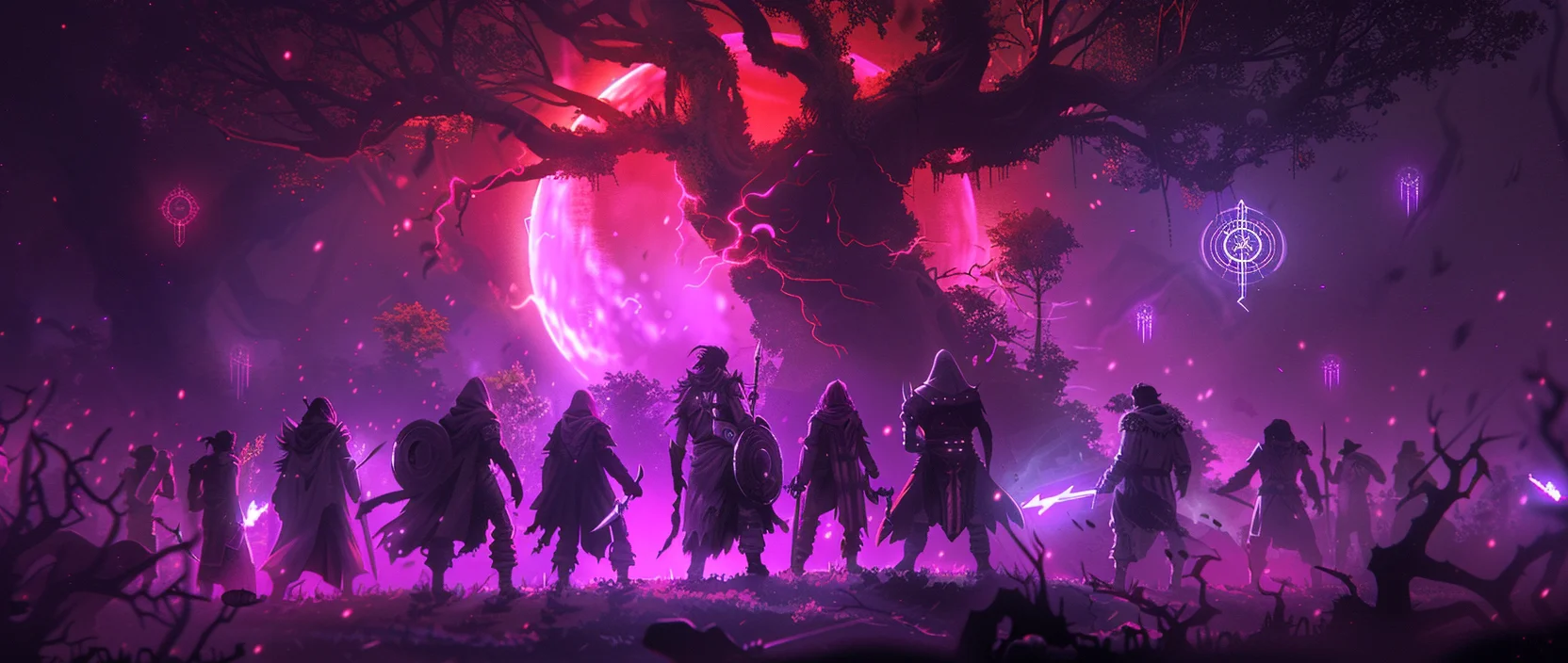
The Backwoods is a top-down roguelite game that merges hack-and-slash action with shooter mechanics, offering procedurally generated levels and high replayability. Players control unique Hero NFTs, battle demonic enemies, collect loot and tokens, and uncover a dark narrative centered around Eldertree—a mystical tree fueling the $LEAF-powered world—while confronting the malevolent Overlord Malachar, who seeks to corrupt Nightville.
Built on the Solana blockchain, the game enables players to truly own their assets—tokens, NFTs, and gear. Solana's high throughput and low transaction costs ensure smooth and scalable gameplay.
The project combines classic roguelite gameplay with Web3 benefits such as decentralization, real ownership, and community-driven development. The Backwoods is designed for long-term value and growth, attracting both crypto natives and traditional gamers alike.
2. Gameplay and Mechanics
The game begins with players selecting a Hero NFT from a collection of 6,666 unique characters, divided into 9 races and classes. Each hero features specific weapons and abilities that influence gameplay strategy. Once selected, players enter procedurally generated levels filled with enemies, loot, traps, and interactive events.
Core Gameplay Features:
- NFT Heroes: Playable characters with distinct stats, skills, and classes.
- Procedural Levels: Each run is different, offering endless variations and unpredictability.
- Combat System: Engage in dynamic battles against mobs and bosses, collect coins and power-ups.
- Mid-Run Upgrades: Purchase and upgrade equipment on the go to adapt to challenges.
- Token Economy: Earn $LEAF, $SEED, and $CRYSTAL through gameplay; $CRYSTAL is used for crafting and black market interactions.
- Forge and Black Market: Enhance and customize gear using gathered materials and tokens.
- Pet System: Hatch Pet Eggs to unlock companions that provide bonuses.
- Seasonal Progression ($LEAF Season): Climb the leaderboard and earn seasonal rewards.
- Leaf Hunt: A browser extension rewarding social and community engagement with in-game perks.
The Backwoods offers a gameplay loop that fuses classic roguelite action with blockchain ownership mechanics. From strategic hero selection to progressive token gains, every action contributes to a persistent and rewarding ecosystem.
3. Tokenomics and Economy
The Backwoods operates on a multi-token economic model designed to balance gameplay incentives with long-term sustainability. Three main tokens form the core of its ecosystem, each with a specific utility in gameplay, governance, or customization.
Main Tokens and Their Use Cases:
| Token | Role | Utility |
|---|---|---|
| $LEAF | Utility Token | Used for purchasing gear, in-run upgrades, and as primary loot from gameplay |
| $SEED | Governance & Strategic Layer | Participation in community votes, project governance, and future metaverse integrations |
| $CRYSTAL | Customization Token | Used to open loot chests, forge equipment, and engage in black market enhancements |
Additionally, the team launched $LEAF Season—a large-scale airdrop campaign distributing 150 million $LEAF tokens to over 500,000 wallets. Running through July 2025, the initiative encourages gameplay activity and social engagement through the Leaf Hunt extension and in-game tasks.
This layered economy ensures players are rewarded for both their skill and participation, while enabling governance, asset upgrades, and meaningful token sinks that stabilize the ecosystem.
4. NFTs and In-Game Assets
NFTs are the backbone of player progression and personalization in The Backwoods. Unlike traditional games where items are locked within servers, this Web3-native model gives players complete ownership over their digital assets—heroes, gear, and more.
Main Types of NFTs:
- Hero NFTs: 6,666 unique playable characters with different races, abilities, and traits. Central to gameplay and tradeable on Solana-based marketplaces.
- Gear NFTs: Equipable weapons and armor that enhance a hero’s stats. Customizable through in-game systems like the Forge.
- Mecha Units: Upcoming NFT class that will provide significant combat advantages. Scheduled for future updates.
- Staking Mechanism: Players can stake their Hero NFTs to earn seasonal points, bonuses, and eligibility for exclusive rewards.
- Marketplace Activity: NFTs are tradeable on platforms like Tensor. Initial sales ranged from 200–226 USDC, with current floor prices around 2.6 SOL and over $3M in market cap.
This NFT-based model ensures value retention, allows open trading, and integrates asset progression with gameplay mechanics—giving players full control and potential profit from their in-game achievements.
5. Community and Development
The Backwoods emphasizes community engagement as a core driver of its evolution. Players connect via Discord, X (formerly Twitter), and participate in frequent community events such as the competitive Bonkwoods Cup held during alpha and beta test phases.
Leaderboards and seasonal events like $LEAF Season further incentivize participation, rewarding top players with airdrops and exclusive in-game content. These mechanics encourage healthy competition and long-term involvement.
The development team frequently updates the game, adding new maps, bosses, pets, and improving game balance based on player feedback. This responsive and transparent approach builds trust and keeps the ecosystem evolving in line with player needs.
By aligning gameplay incentives with development transparency and open dialogue, The Backwoods has cultivated a strong and loyal community of both crypto natives and mainstream gamers.
6. Technology and Security
The Backwoods runs entirely on the Solana blockchain, chosen for its high throughput and low fees—critical factors for handling in-game transactions and NFT operations at scale. With sub-second transaction finality, players enjoy a frictionless experience even during high-demand gameplay.
Key technologies include:
- Metaplex: For NFT minting and metadata handling
- Anchor: A framework for building Solana smart contracts (programs)
- Helius: Infrastructure and indexing support for scalable on-chain data access
The game’s architecture is documented on GitBook, including details on smart contracts, cryptographic layers, and scalability strategies. The team conducts regular security audits, code reviews, and stress testing to ensure asset safety and system reliability.
This robust technical foundation enables long-term scaling while maintaining security, making The Backwoods not only innovative in gameplay but also resilient in Web3 infrastructure.
7. Conclusion
The Backwoods is a successful fusion of classic roguelite gameplay and modern Web3 mechanics. The game offers procedurally generated levels with high replayability, true decentralization with ownership of digital assets, and a robust token- and NFT-based economy. An active community and frequent in-game events are seamlessly supported by a reliable technical foundation on the Solana blockchain and a transparent development approach, including open audits and documentation.
Thanks to this comprehensive strategy, The Backwoods stands out as one of the most promising blockchain games within the Solana ecosystem. Keeping an eye on future updates — such as the launch of new NFTs (like Mecha and gear), improvements to the user interface, and expansion of the storyline — will be key to strengthening the game’s position in the evolving Web3 gaming space.











