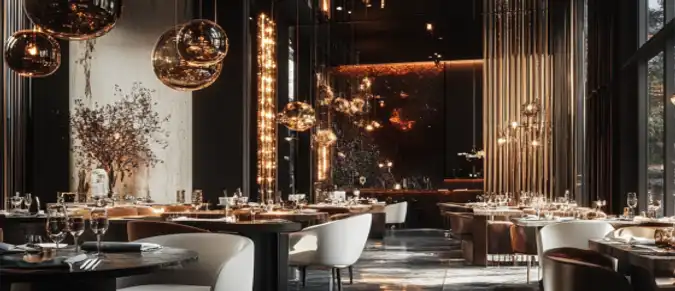

FlyFish Club (FFC) is an innovative solution in the restaurant business based on the use of NFT (non-fungible tokens). It is the first private restaurant in the world, where only NFT holders can gain access. The uniqueness of the project lies in the fact that customers get access to gastronomic experiences through ownership of digital assets, highlighting a new era in the application of blockchain technologies.
Content:
- FlyFish Club Concept
- How to Become a Member of FlyFish Club
- Club’s Financial Model
- Development Prospects
- Conclusion

FlyFish Club Concept
FlyFish Club was established in 2021 as the first restaurant operating on the NFT model. Access to the restaurant is only possible through the acquisition of an NFT token, which serves as a membership pass. Token holders receive privileges such as the opportunity to attend exclusive events, tastings, and meetings with renowned Michelin-starred chefs. The restaurant offers dishes curated by these chefs.
The project was developed in the context of growing NFT popularity and demonstrates how blockchain technology can revolutionize traditional industries. The restaurant is planned to be located in one of New York's prestigious areas, attracting both local residents and visitors.
How to Become a Member of FlyFish Club
Membership in the club is only possible through purchasing the FlyFish Club NFT on trading platforms such as OpenSea. There are two types of membership: standard and FlyFish Omakase. Standard membership provides access to all restaurant areas, while Omakase members can visit a separate zone with unique Japanese cuisine dishes.
Membership Features:
- Access to the main restaurant
- Exclusive events for NFT holders
- FlyFish Omakase – a private zone for special events
NFT members can rent or sell their tokens, providing additional flexibility for clients.
Membership Type Table:
| Membership Type | Access to Restaurant | Exclusive Events | Access to FlyFish Omakase | Token Rental |
|---|---|---|---|---|
| Standard | Yes | Yes | No | Yes |
| FlyFish Omakase | Yes | Yes | Yes | Yes |
Club’s Financial Model
FlyFish Club operates on an innovative business model based on blockchain technology. NFT holders can transfer their tokens to others by renting or selling them, while the club charges a fee for each transaction. This creates additional revenue streams for the project. Membership prices vary depending on the market value of NFTs and the demand for the restaurant’s unique offerings. For example, the price of the FlyFish Omakase token at launch was several tens of thousands of dollars, highlighting the prestige and exclusivity of the project.
Development Prospects
The concept of a restaurant based on NFTs has already attracted the attention of the global media and the public. In the future, FlyFish Club plans to expand beyond New York with new locations in Los Angeles and London. There may also be a mobile app that allows members to manage their tokens, book reservations, and participate in events online.
Conclusion
FlyFish Club is not just a restaurant but an innovative example of how blockchain technologies can change traditional industries. Using NFTs as membership provides clients with flexibility and the opportunity to earn income by renting or selling tokens. The club sets new standards in the industry and demonstrates the future potential of blockchain technologies in the hospitality sector.











