

In the world of decentralized finance (DeFi), stablecoins play a key role by providing stability and liquidity to the ecosystem. The Level project offers an innovative approach to stablecoins, combining them with restaking mechanisms to generate yield.
Contents:
- Overview of the Level Project
- lvlUSD: A Yield-Generating Stablecoin
- slvlUSD: Staking and Additional Opportunities
- Restaking Mechanism and Yield Generation
- Integration with DeFi Protocols and the Level Ecosystem
- Conclusion
Overview of the Level Project
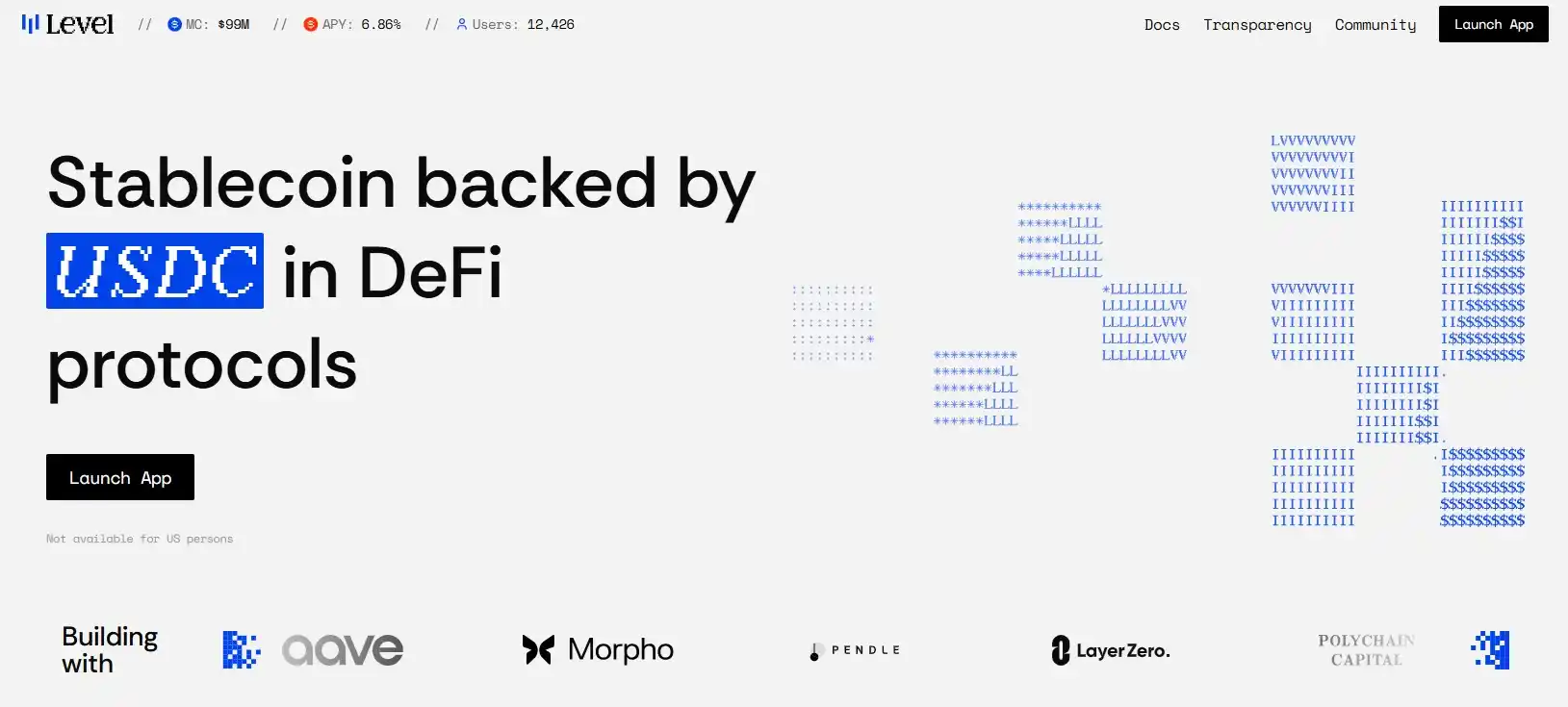
Level is a decentralized stablecoin protocol that issues lvlUSD — a fully backed stablecoin with yield generation typical for DeFi. The project aims to enhance compatibility and utility in permissionless finance by integrating deeply with leading DeFi protocols. lvlUSD is fully backed by USDC and USDT — the two largest and most liquid fiat-pegged stablecoins.
Users can mint lvlUSD permissionlessly by depositing USDC and USDT, which are then used to generate yield in lending protocols. A portion of the tokens earned from these protocols is deposited into restaking protocols to receive additional rewards. This approach ensures transparency and minimizes risks associated with centralized counterparties and operational processes.
lvlUSD: A Yield-Generating Stablecoin
lvlUSD is a stablecoin fully backed by reserves of USDC and USDT. To mint lvlUSD, users deposit an equivalent amount of USDC or USDT into the Level protocol. These assets are not just stored — they are deployed into verified DeFi protocols where they start generating yield.
Advantages of lvlUSD:
- Reliability: Each token is backed 1:1 by liquid reserves in USDC and USDT;
- Yield: Reserves are used in DeFi protocols to generate passive income;
- USD Peg: lvlUSD maintains a stable exchange rate and minimizes volatility;
- Accessibility: The minting and redemption process is simple and transparent;
- Flexibility: Users can utilize lvlUSD across other DeFi platforms.
Thus, lvlUSD combines the stability of a USD-pegged asset with yield opportunities, making it an efficient tool for preserving asset value while earning income.
slvlUSD: Staking and Additional Opportunities
Users looking to boost their returns can stake lvlUSD to receive slvlUSD. slvlUSD is a token that represents staked lvlUSD and automatically accumulates yield distributed by the protocol. As the protocol generates income from its assets, it is distributed among slvlUSD holders, increasing their value. This mechanism allows users to earn passive income simply by holding slvlUSD in their wallets. Additionally, slvlUSD can be freely transferred, traded, and used in other DeFi protocols, enhancing its liquidity and utility within the ecosystem.
Restaking Mechanism and Yield Generation
In the DeFi ecosystem, staking and restaking mechanisms play a key role in network security and generating returns for users. Staking allows cryptocurrency holders to earn rewards for supporting the network, while restaking refers to the process of reusing already staked assets to further increase overall yield. This approach enables users to maximize returns while maintaining asset liquidity.
Table: Staking vs. Restaking Comparison
| Parameter | Staking | Restaking |
|---|---|---|
| Definition | Locking cryptocurrency to support blockchain operations and earn rewards. | Reusing staked assets to generate additional yield. |
| Yield | Depends on network conditions and amount of staked assets. | Higher yield through multiple staking layers and protocol participation. |
| Liquidity | Assets are locked during the staking period, limited liquidity. | Liquidity preserved or enhanced through liquid restaking tokens. |
| Risks | Risks related to market volatility and protocol changes. | Additional risks due to multi-protocol involvement and asset management complexity. |
Using restaking in DeFi allows users to increase the profitability of their assets. However, it is essential to consider associated risks and carefully assess the conditions of different protocols. Understanding the differences between staking and restaking helps users make informed decisions and manage their DeFi investments effectively.
Integration with DeFi Protocols and the Level Ecosystem
Level actively integrates with various DeFi protocols, expanding the use cases for lvlUSD and slvlUSD. Users can trade, exchange, and utilize these tokens across multiple DeFi applications, enhancing their liquidity and utility. Moreover, Level offers a rewards program called Level XP, which encourages users to participate in the ecosystem and earn additional bonuses. These integrations and incentives make Level a vital part of the DeFi space, offering users a wide range of tools for interaction and yield generation.
Conclusion
The Level project delivers an innovative solution in the DeFi space, merging the stability of fiat-backed assets with decentralized protocol yield generation. lvlUSD and slvlUSD provide users with efficient tools for preserving capital and earning passive income. Through restaking, DeFi integrations, and incentive programs, Level becomes a strong component of the decentralized economy, offering new opportunities for investors and users.











