

Origins of Lume is a card-based Web3 game built on a multichain blockchain with true ownership of in-game assets. Players assemble decks of creatures and artifacts, engage in tactical battles, and earn rewards in the form of tokens and NFTs. The game is set in the mysterious universe of Unseen, consisting of fourteen distinct realms, each with unique conditions and creatures. The developers emphasize gameplay rather than repetitive farming, aiming to deliver an experience closer to classic strategy games. The project is focused on an active Web3 community and offers a blend of deep tactical gameplay and digital asset economy.
- What is Origins of Lume?
- Game Architecture: Blockchain, NFT, and Tokens
- Gameplay in Origins of Lume: Tactics and PvE Battles
- Project Economy and Community Interaction
- Conclusion
What is Origins of Lume?
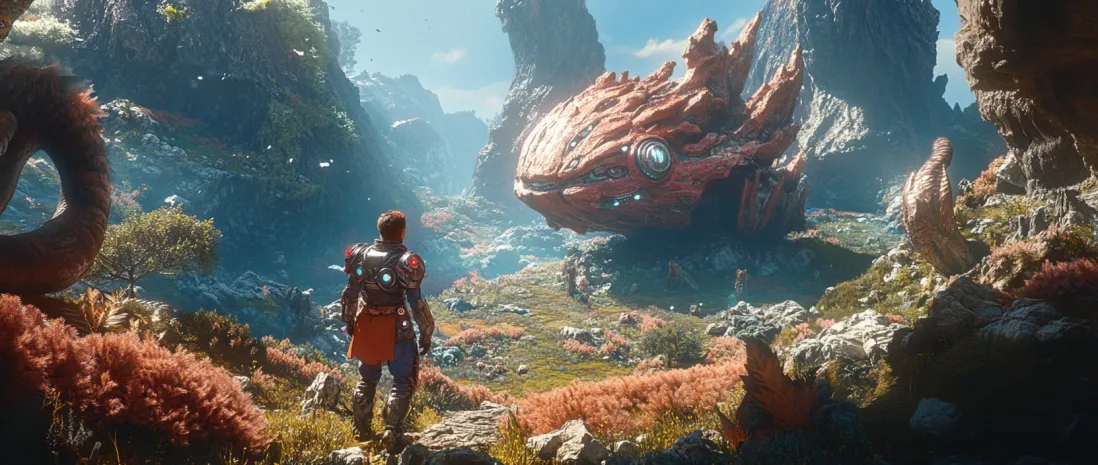
Origins of Lume is a turn-based card strategy game set in the Web3 world, where players act as Summoners, assembling decks of creatures and artifacts. The goal is to defeat opponents in tactical PvP or PvE battles using unique Auras and Inanis cards, each with distinct traits and abilities that influence the outcome. The universe of Unseen is the foundation of the Origins of Lume world, consisting of 14 diverse biomes. Each biome features its own creatures, mechanics, and artifacts, enhancing strategic variety. The developers prioritize engaging gameplay over grind-based monetization. Players progress through story-driven missions, AI battles, and competitive matches. This flexibility makes the project appealing both to NFT collectors and players seeking immersive gameplay.
The game design encourages deep tactical customization, allowing users to build decks tailored to different playstyles. By combining creature cards, traps, and artifacts, players can adapt to unique challenges and battlefield conditions.
Game Architecture: Blockchain, NFT, and Tokens
Origins of Lume is built on a multichain architecture that supports Ethereum, Polygon, BNB Chain, and other popular networks. This allows players to use familiar wallets and interact with the game beyond the limitations of a single ecosystem. Every in-game creature, artifact, or equipment item is represented as an NFT—a non-fungible token that can be traded, sold, or used in other Web3 applications. The in-game token also plays a significant role, serving as a medium for rewards, purchases, upgrades, and participation in special events.
Key Components of Origins of Lume Architecture:
| Component | Function |
|---|---|
| NFT Cards | Represent creatures, gear, and artifacts with unique properties |
| Game Token | Used for rewards, in-game spending, and Play-to-Earn mechanics |
| Multichain Support | Enables integration with various blockchain networks |
| Marketplace | Allows players to freely trade their assets |
This structure creates a resilient and decentralized economy where players truly own their assets. Additionally, the project is integrated with the Galxe platform, where quests and campaigns are held regularly. Participants can earn NFTs and tokens by completing tasks, which increases community engagement and strengthens the link between gameplay and the external crypto ecosystem.
Origins of Lume Gameplay: Tactics and PvE Battles
The gameplay in Origins of Lume is built around turn-based battles, where players create decks of NFT entities and engage in duels with other users or AI-controlled opponents. The core elements of the experience are the creatures Auras and Inanis, each possessing unique sets of abilities and attributes. Victory depends on selecting the right units, strategic positioning, and timely use of artifacts. Each round consists of a sequence of actions where anticipating the opponent’s moves and adapting to the evolving situation is crucial.
Key mechanics include:
- Building decks with creatures of different tactical roles;
- Using artifacts to enhance fighters or alter battle rules;
- Triggering “Flash Moments” — sudden actions that disrupt the opponent’s turn;
- Participating in story-based PvE missions against AI enemies.
Each victory yields resources, tokens, or rare NFTs. PvE missions reveal the lore of the Unseen universe, where players explore the backstory of various realms, their creatures, and conflicts. PvP battles, on the other hand, provide a competitive space for ranking progression and strategic mastery. This flexibility offers players a choice — to compete, explore the story, or focus on collection and trading.
Project Economy and Community Involvement
The economic model of Origins of Lume is built on player interaction with in-game assets and activities beyond core gameplay. The primary sources of value are NFTs and tokens, earned through PvE and PvP activity, tournament participation, completing quests, and engagement in partner campaigns. The project aims to maintain a sustainable economy where the value of assets is defined not just by rarity, but also by their usefulness in battles and collecting. Each creature card can be sold on the marketplace, utilized in new strategies, or used to enhance other cards.
The community plays an active role in the project’s development through regular events, Galxe campaigns, and integrations with external platforms. Key forms of engagement include:
- Participation in airdrop programs to receive NFTs;
- Completing tasks within Galxe quests;
- Discussing updates on Discord and X (Twitter);
- Voting on upcoming mechanics and balancing decisions.
This structure allows players to feel involved in shaping the game's future and influencing important decisions. Within the community, guides, collaborations, and collectible projects thrive. Developers share updates through open channels such as LinkedIn and the project’s blog. All of this builds long-term loyalty and reinforces trust in the economic framework behind Origins of Lume.
Conclusion
Origins of Lume combines strategic gameplay with Web3 mechanics, emphasizing tactics, asset ownership, and community engagement. Instead of offering shallow token farming, the project features deep deck-building, immersive worlds, and rewarding quests. Thanks to multichain blockchain support, Galxe integration, and a transparent economy, the game builds a robust ecosystem. Active player involvement in development and a balance between P2E and gameplay form the foundation for continued growth and community trust. Moreover, the team remains publicly engaged, consistently communicating future plans. Origins of Lume stands out as a promising long-term contender in the evolving Web3 gaming landscape.











