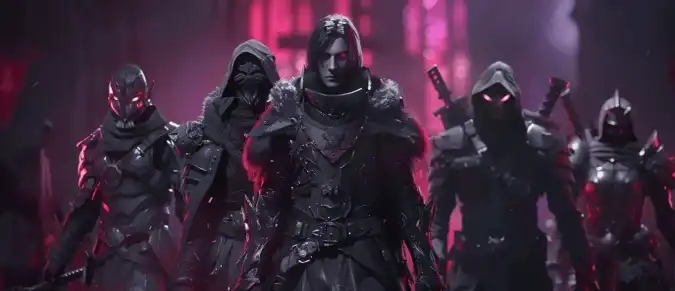

Avarik Saga is an innovative blockchain game that combines elements of Japanese role-playing games (JRPG) with blockchain technology, offering players a unique experience of interacting with NFTs and tokens.
Table of Contents
- Introduction
- Gameplay and Features
- Tokenomics and NFTs
- Development and Team
- Community and Partnerships
- Conclusion
1. Introduction
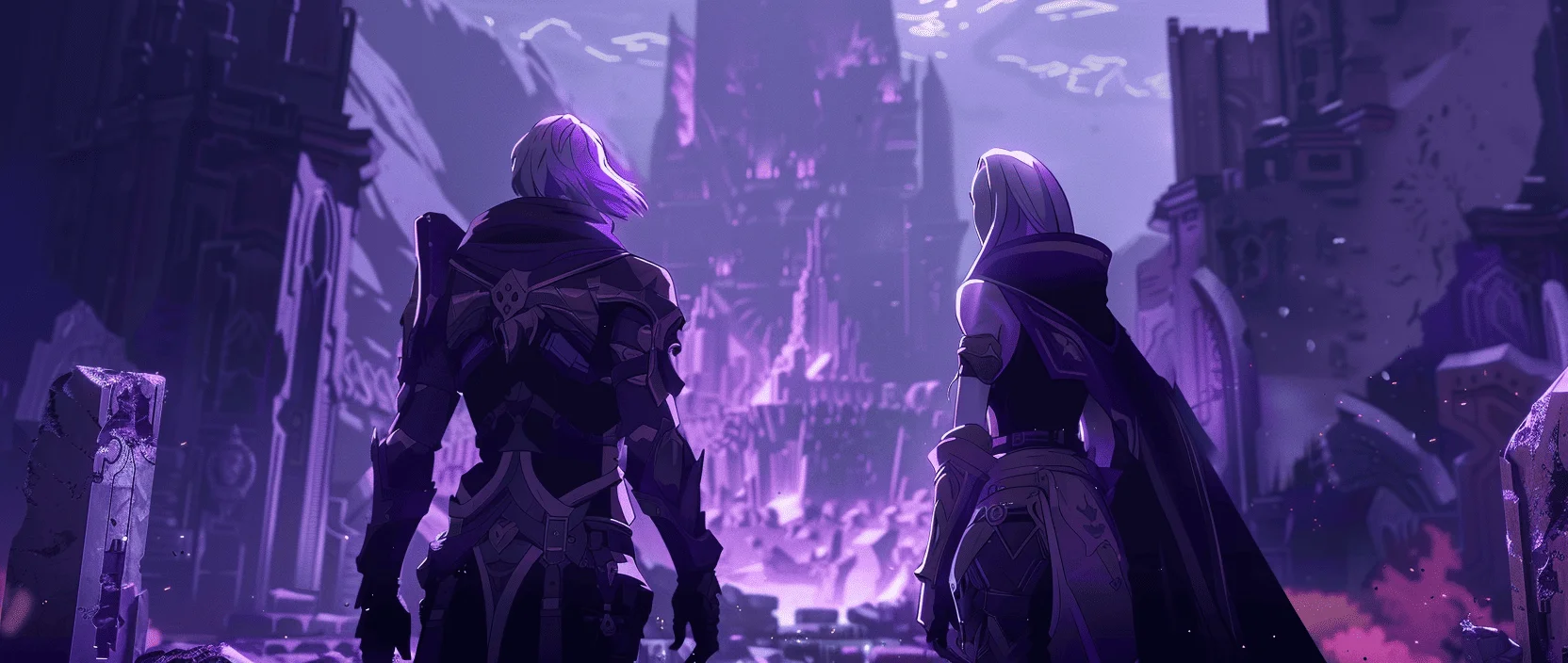
Avarik Saga is a blockchain game developed to merge traditional elements of Japanese role-playing games (JRPG) with the advanced capabilities of blockchain technology. The game offers players a unique experience, allowing them to own and manage in-game assets in the form of non-fungible tokens (NFTs), as well as participate in the game's economy through tokens. This integration enables users to not only enjoy engaging gameplay but also acquire real digital assets that hold value beyond the virtual world.
2. Gameplay and Features
Avarik Saga's gameplay centers on strategic team building and turn-based combat. Players embark on their journey with three NFT characters, each possessing unique abilities and attributes. The game features four distinct factions:
- Ignis: Known for aggressive tactics and powerful attacks.
- Terra: Specializes in defense and ally support.
- Glacia: Utilizes ice magic to control the battlefield.
- Tenebris: Masters of dark magic and stealth maneuvers.
Each faction offers unique characteristics and playstyles, allowing players to select strategies that align with their preferences. The game includes various modes, such as PvE campaigns against computer-controlled adversaries and PvP battles where players compete against one another. This variety ensures a dynamic gaming experience, catering to different skill levels and strategic approaches.
3. Tokenomics and NFTs
The economy of Avarik Saga is built upon two primary tokens:
- AVRK: This is the game's main token, utilized for purchasing new characters, accelerating progress, and covering transaction fees within the internal marketplace. AVRK also grants access to premium content and exclusive in-game events, enhancing its value and significance within the game's ecosystem. Additionally, holders of AVRK can participate in staking to earn rewards and support the project's economic stability.
- VORTEM: An in-game currency earned through gameplay and staking, VORTEM is used for upgrading characters and equipment. It enables players to level up their characters, enhance their skills, and acquire rare items, thereby deepening the gaming experience. Earning VORTEM incentivizes players to actively engage in various game modes and events, maintaining the game's dynamism and player interest.
Characters in the game are represented as NFTs, allowing players to own unique digital assets and trade them on external platforms like OpenSea. This creates a dynamic economy where the value of characters is determined by their rarity, attributes, and market demand. Consequently, players can not only enjoy the gameplay but also potentially earn real-world profits from their in-game achievements. This model fosters community growth and attracts new participants interested in the unique blend of gameplay and economic opportunities.
4. Development and Team
The development of Avarik Saga is led by a team of seasoned professionals with diverse expertise in game design, blockchain technology, and marketing. Key team members include Kevin Cahya, who brings experience in management consulting, e-commerce, and venture capital; Nick Yudha, a serial entrepreneur and founder of Antikode and Monstore; and Kyuwon Kim (Sean), a Carnegie Mellon University graduate who has worked as a digital transformation consultant and data scientist. Additionally, Khun Ling Tan specializes in developing decentralized applications and smart contracts; Hans Jonathan has a background in IT and ERP consulting and has served as a senior product manager in e-commerce; and Joel Handoyo is a concept artist and art director with experience in animation, the gaming industry, and advertising. The team actively collaborates with partners and investors to ensure the project's successful development and promotion.
5. Community and Partnerships
Avarik Saga actively engages with its community of players and investors by providing regular updates and participating in discussions across various platforms, including Discord and Twitter. The project collaborates with organizations and guilds, such as YGG SEA, to expand its audience and strengthen its market position. Additionally, the Avarik Saga team organizes AMA sessions and webinars to share development plans and address community questions, fostering trust and transparency. This proactive communication approach allows the team to incorporate user feedback and tailor the game to meet player needs, enhancing the overall gaming experience.
6. Conclusion
Avarik Saga is an innovative blockchain game that seamlessly blends traditional JRPG elements with the capabilities of blockchain technology. Its unique gameplay, well-designed tokenomics, and active community make it an attractive and promising project for both players and investors. By integrating NFTs and a dual-token system, Avarik Saga offers players true ownership of in-game assets and the opportunity to participate in a dynamic in-game economy. This combination of engaging mechanics and economic incentives positions Avarik Saga as a leader in the evolving landscape of blockchain gaming.











