

The rise of blockchain technology has reshaped how competitive game genres are designed and monetized. Blockchain Brawlers is a clear example of how a classic fighting game can be adapted to Web3—keeping the pace and spectacle of battles while introducing a player-owned asset economy. The game combines NFT-based characters, an in-game progression loop, and Play-and-Earn elements to create a self-contained ecosystem where digital items can carry real value. This article breaks down the project’s core pillars: concept, gameplay systems, NFT infrastructure, token economy, and long-term development potential.
Contents
- Overview and Concept of Blockchain Brawlers
- Gameplay and Game Modes
- NFT Characters and In-Game Items
- Token Economy and Monetization Model
- Technology Stack and Blockchain Foundation
- Conclusion
1. Overview and Concept of Blockchain Brawlers
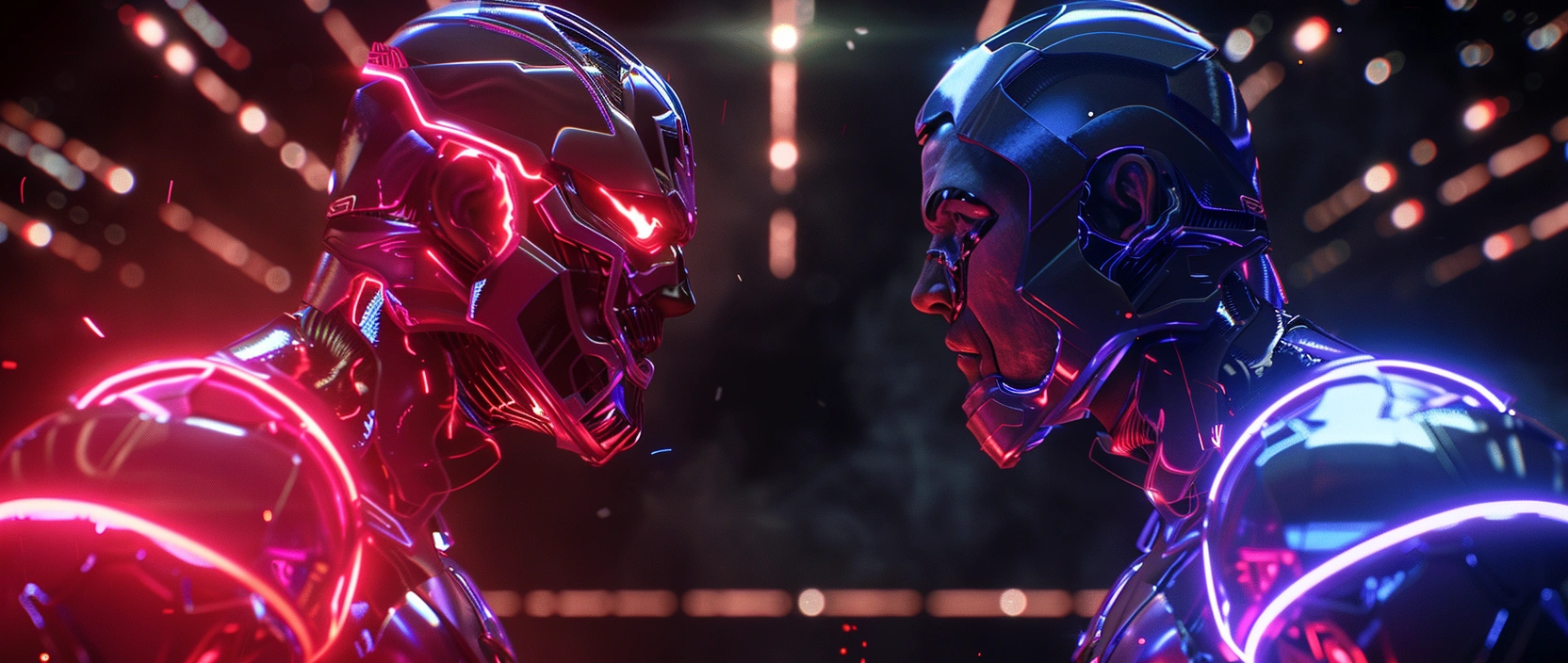
Blockchain Brawlers is a PvP-focused fighting game built around collectible, tradable digital fighters. From the start, the project was designed with true ownership in mind: each character and meaningful piece of equipment can exist as an NFT. This structure enables players to retain control over their assets even if the game evolves over time.
The core theme leans into a “digital wrestling” vibe, where every fighter has a distinct visual identity, stats, and room for progression. Instead of relying solely on centralized control, the game adopts a more transparent approach to asset management and player-to-player transactions, aligning with broader Web3 principles.
A major part of the game’s philosophy is “skill-first” competition rather than pure financial advantage. Match outcomes depend on tactics, reactions, and understanding of mechanics—traits associated with traditional competitive games. This design choice makes Blockchain Brawlers more approachable for mainstream players.
As a result, the project targets both crypto-native users and fans of classic arcade fighters. It acts as a bridge between Web3 and familiar gameplay, lowering the entry barrier for newcomers who want to explore blockchain gaming without sacrificing the fun factor.
2. Gameplay and Game Modes
The gameplay is centered on fast, high-energy fights between NFT-based brawlers. Controls are designed to be “easy to learn,” letting new players pick up the basics quickly. At the same time, the combat system gains depth through timing, combos, and character-specific strengths that reward practice.
Blockchain Brawlers supports different play styles by offering multiple modes with distinct goals. Some modes emphasize competitive PvP, while others focus on farming resources and improving performance. This setup allows players to mix short sessions with longer progression arcs.
Key gameplay elements include:
- solo matches and PvP battles;
- fighter stat progression and development;
- equipment and power-up usage;
- seasonal content and limited-time events.
A ranked structure and seasonal rewards add extra motivation for consistent play. Regular events keep the community active, while new content updates help prevent repetition. Over time, the loop stays engaging by combining competition, progression, and collectible-driven goals.
3. NFT Characters and In-Game Items
In Blockchain Brawlers, the most important in-game elements are implemented as NFTs—including fighters, weapons, and gear. Each token comes with a unique set of attributes that can affect how a character performs, how durable certain setups feel, and which tactics become viable. In other words, NFTs serve a functional role, not just a cosmetic one.
NFT fighters differ not only in appearance but also in their combat identity. Some brawlers are built for aggressive pressure, others excel in defense or control-based play. Players can assemble lineups tailored to specific modes or matchups, which encourages experimentation and creates meaningful variety in strategy.
To clarify the NFT asset structure, the ecosystem can be grouped into these main categories:
| NFT Type | Description | Impact on Gameplay |
|---|---|---|
| NFT Fighters | Unique characters with individual attributes | Define combat style and match performance |
| Weapons | Items that provide bonuses to damage or skills | Boost offensive potential and combo effectiveness |
| Gear | Defensive and utility equipment | Improves survivability and tactical flexibility |
| Collectibles | Rare NFTs with distinctive visual traits | Create collectible appeal and market value |
Free trading of NFTs helps build an active secondary market where progress can translate into real economic value. Fighters and items can be used inside the Blockchain Brawlers ecosystem and, depending on marketplace support, can also be traded externally. This strengthens the connection between gameplay achievements and digital ownership.
The project also emphasizes balance between rarity and utility. Even common NFTs can remain practically useful, which reduces the gap between newcomers and long-time players. This design supports a healthier ecosystem that is better suited for long-term growth rather than short-term speculation.
4. Token Economy and Monetization Model
The economy of Blockchain Brawlers is built around an in-game token used for rewards, upgrades, and marketplace activity. The model is structured to favor active participation rather than passive holding. This encourages players to engage with matches, progression systems, and events to unlock meaningful benefits.
Token acquisition is tied to gameplay performance, incentivizing skill improvement and consistent activity. The better a player performs, the more opportunities they have to grow economically within the ecosystem. This creates a reward loop that feels connected to effort rather than purely to spending power.
Emission and token spending are balanced through sinks such as equipment maintenance, tournament participation, and upgrade paths. These mechanics help reduce inflation pressure and support the token’s utility over time.
Because the economy is deeply connected to actual gameplay, it differs from purely speculative structures. Earnings are framed as a result of engagement and performance, not simply the size of an initial investment.
5. Technology Stack and Blockchain Foundation
Blockchain Brawlers is built on a network that is widely used for NFT and gaming applications. This choice is typically driven by the need for low transaction costs and high throughput—two factors that are critical for smooth gameplay in a tokenized environment.
Smart contracts automate NFT minting, reward distribution, and transaction processing. Automation reduces the need for manual intervention and helps minimize human-factor risks in asset handling.
The project’s architecture is designed with scalability in mind, enabling gradual expansion of features and content. Adding new modes, items, or systems can be done without destabilizing the existing structure.
Blockchain interactions are simplified as much as possible. Many actions can be executed in the background, which keeps the experience accessible even for players who are new to Web3 and don’t want to deal with complex crypto workflows.
6. Conclusion
Blockchain Brawlers demonstrates how fighting games can be integrated into the Web3 space without losing speed, spectacle, or competitive appeal. The project blends skill-driven gameplay with NFT ownership and a structured economy, turning digital assets into meaningful parts of progression.
With its emphasis on player skill, transparent ownership mechanics, and a community-oriented approach, the game stands out among many blockchain projects. It offers more than financial incentives by delivering a full gaming experience first.
As content and ecosystem features continue to evolve, Blockchain Brawlers has the potential to secure a stable position in the Web3 gaming niche. For players, it’s a way to combine competition, strategy, and true digital ownership in one system.











