

Boss Cultr is a blockchain gaming project in the GameFi segment that combines competitive gameplay, an NFT-driven economy, and a strong cultural identity. The project focuses on integrating digital assets directly into gameplay, transforming NFTs from passive collectibles into functional elements of the ecosystem. Boss Cultr is designed for long-term user engagement and community building, where value is created through participation, gameplay experience, and a shared project culture.
Table of Contents
- Concept and Positioning of Boss Cultr
- Gameplay Logic and Core Mechanics
- NFT Economy and Value Structure
- Use Cases and Participant Roles
- The Role of Boss Cultr in Web3 and Future Outlook
1. Concept and Positioning of Boss Cultr
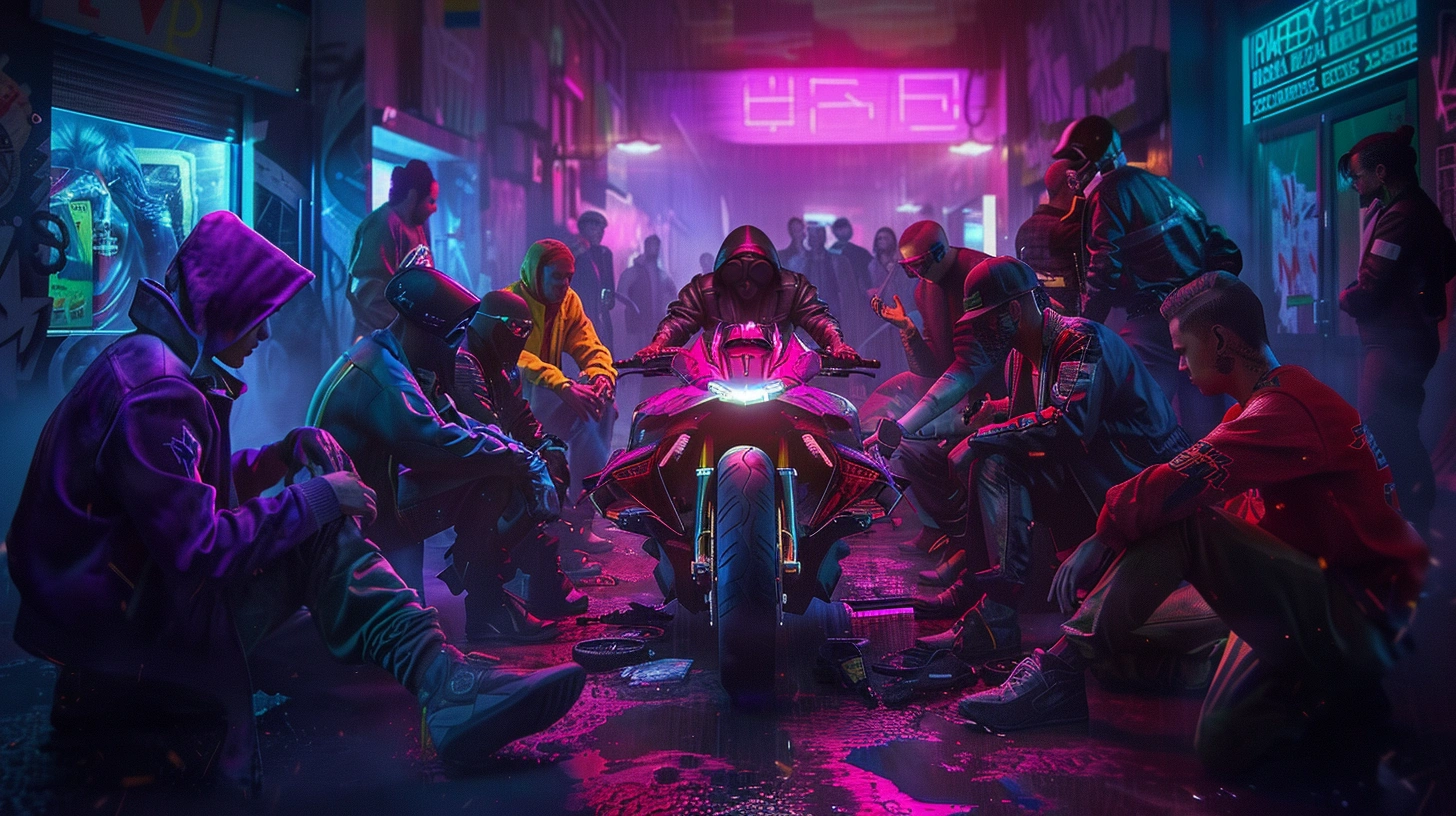
Boss Cultr is positioned at the intersection of the gaming industry and Web3 culture, where aesthetics and identity are as important as technology. The visual style, narrative, and overall atmosphere draw inspiration from classic arcade racing and retro games, reimagined for modern digital ecosystems. This approach allows Boss Cultr to stand out from typical GameFi projects that often lack a distinctive identity.
The project deliberately moves away from models focused on short-term financial gain. Instead, Boss Cultr builds long-term relationships with users by inviting them to become part of an evolving ecosystem. NFT ownership is viewed not as an investment vehicle, but as a form of participation and access to the game world.
Additional emphasis is placed on community building. Boss Cultr actively develops communication through social platforms, gated activities, and early access to content, strengthening the sense of belonging and increasing audience loyalty.
2. Gameplay Logic and Core Mechanics
The gameplay of Boss Cultr is centered around competitive mechanics inspired by arcade racing. The project relies on intuitive controls that require no complex onboarding while maintaining depth through progression systems and varied challenges. Players are engaged through competitions, levels, and special events. Gameplay is also designed for gradual mastery, allowing newcomers to enter quickly while giving experienced players room to refine skills and strategy. This balance makes the experience accessible without being simplistic.
Core gameplay mechanics include:
- competitive races with increasing difficulty;
- challenges and levels integrated into the game narrative;
- use of NFTs as access keys and gameplay enhancers;
- events and special modes for active players;
- future gameplay expansion through modular updates.
Together, these mechanics form a flexible system that adapts to different play styles. The modular structure allows new elements to be introduced gradually without changing the core logic, simplifying scalability and maintaining player interest. As a result, Boss Cultr is perceived as a living product that evolves alongside its community.
3. NFT Economy and Value Structure
The economic model of Boss Cultr is built around a limited NFT collection that serves as the foundation of the entire ecosystem. These digital assets perform multiple roles: granting access to gameplay features, shaping social status, and enabling participation in exclusive project activities. As a result, NFT value is driven by practical utility rather than rarity alone.
The project aims to balance exclusivity with accessibility. A limited NFT supply is paired with an expanding set of functions, sustaining interest without creating artificial scarcity. The economy is designed to encourage participation and long-term retention rather than short-term speculation.
NFTs also act as identity markers within the ecosystem. Ownership strengthens the user’s connection to the project and increases involvement in Boss Cultr’s development, which is a key factor in building sustainable GameFi models.
4. Use Cases and Participant Roles
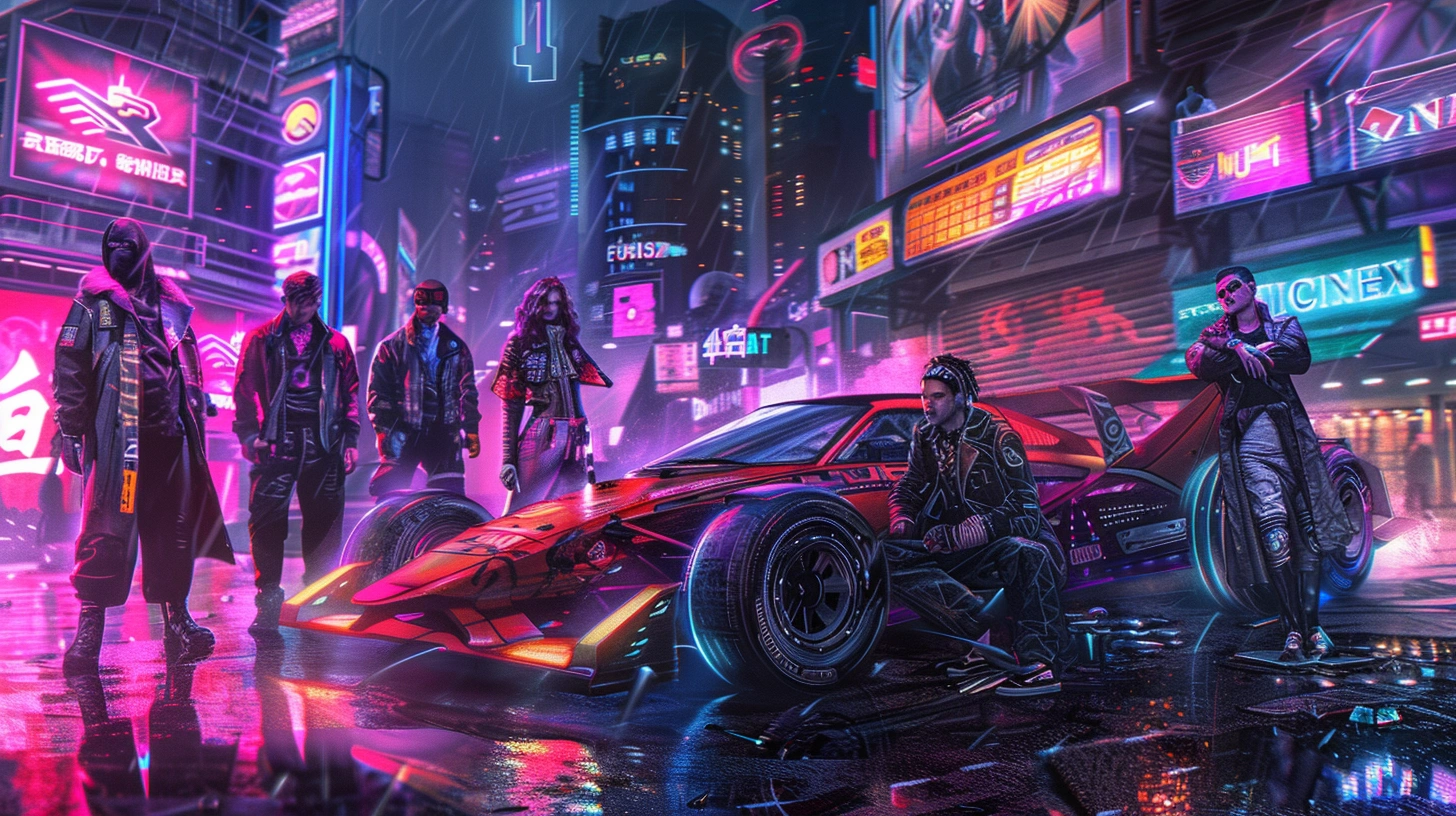
Boss Cultr targets multiple user groups, offering each a distinct participation path. The project goes beyond players alone by including collectors, Web3 enthusiasts, and active community members within its ecosystem. This model broadens the audience and reduces reliance on a single user segment. The ecosystem is also structured to support different engagement levels—from basic participation to deeper involvement—allowing users to gradually adapt to the platform’s capabilities.
| Participant Category | Role in the Ecosystem | Key Value |
|---|---|---|
| Players | Participation in races and events | Competitive experience |
| NFT Collectors | Ownership of digital assets | Exclusive access |
| Web3 Enthusiasts | Early project support | Long-term involvement |
| Community Members | Collaborative activities and events | Social interaction |
This distribution of roles creates an interconnected structure in which each participant contributes to the project’s growth. Role flexibility allows users to change their level of involvement over time, extending audience lifespan and supporting the formation of a stable community around Boss Cultr.
5. The Role of Boss Cultr in Web3 and Future Outlook
Boss Cultr reflects the evolution of Web3 gaming toward more mature and culturally oriented formats, demonstrating that blockchain games can deliver a complete gaming experience without the dominance of speculative elements. Technology serves as an underlying infrastructure supporting gameplay, NFT economics, and social interaction rather than being an end in itself. A scalable architecture and modular design create opportunities to expand game modes, strengthen social components, and introduce new NFT interactions as the ecosystem grows.
The project’s focus on building a sustainable community rather than short-term user traffic adds additional value. This approach allows Boss Cultr to adapt to changing market conditions and audience interests without losing conceptual integrity. In the long term, the project may become a reference point for GameFi initiatives seeking to unite gameplay, digital culture, and Web3 infrastructure into a single cohesive ecosystem.











