
The world of digital art is undergoing a true revolution, with unique phenomena emerging at the intersection of technology and creativity. One of them is the Botto project, which represents not just an image-generating algorithm, but the first decentralized autonomous artistic entity of its kind.
This experiment, existing since October 2021, explores the nature of creativity, collective decision-making, and the role of artificial intelligence in culture. Managed by the community through a DAO, Botto constantly evolves, creating works that are sold at auction weekly, with the proceeds reinvested into the ecosystem's development. It's not just a tool, but an independent artist whose aesthetics are shaped by its community.
Contents:
- What is Botto: The Decentralized Artist
- How the Creative Process Works
- The Role of Community and DAO
- Monetization and Project Economics
- Evolution and Future of Botto
- Conclusion
What is Botto: The Decentralized Artist
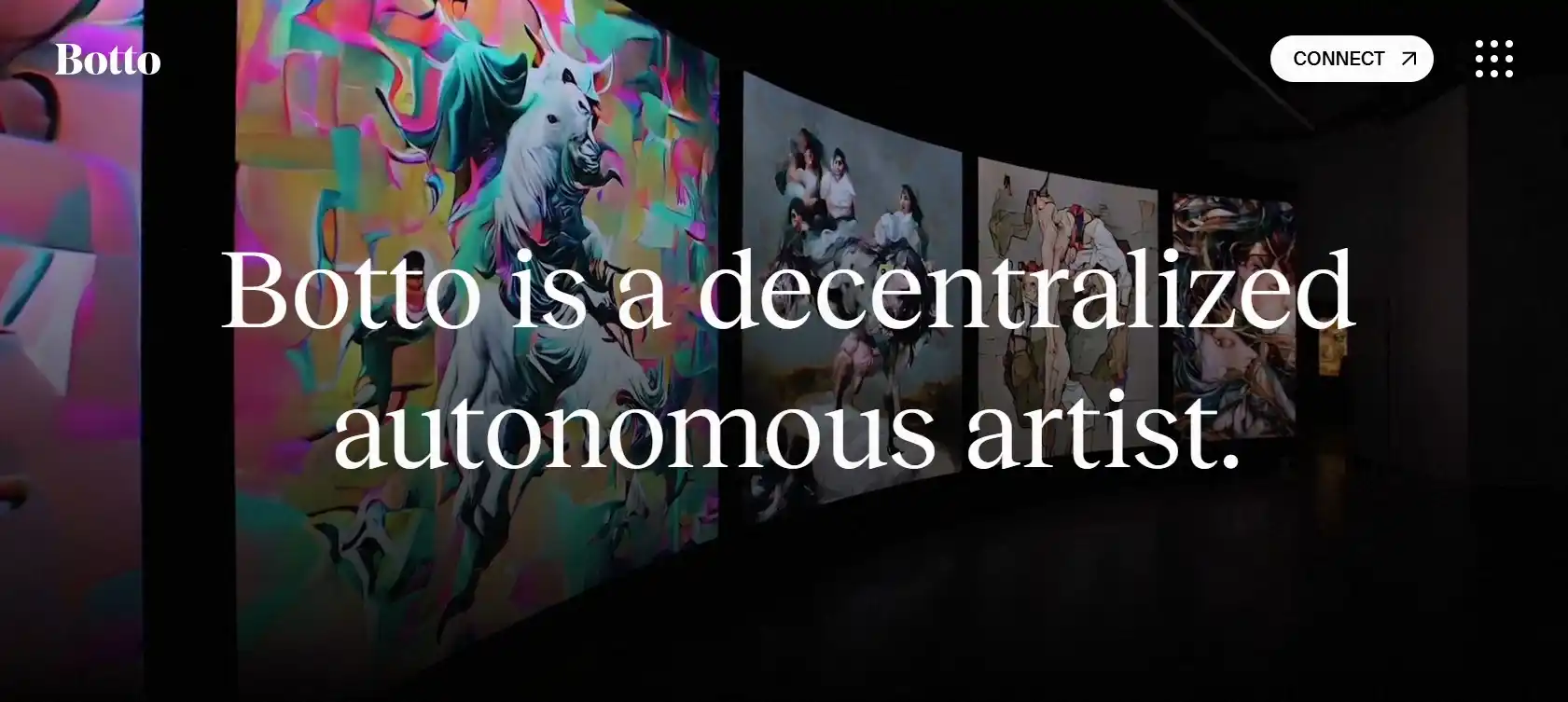
Botto represents a fundamentally new phenomenon in digital art - an autonomous artist managed by artificial intelligence. This project, created by developer Mario Klingemann, functions as an independent creative system generating original works. Its uniqueness lies in its decentralized architecture, where management of the creative process is carried out through a DAO.
The distinctive feature of Botto is the organic combination of machine intelligence and human curation. The algorithm acts as a generator of artistic ideas, while the community guides its aesthetic development through a voting system. This approach creates an continuously evolving creative experiment that reflects the collective preferences of ecosystem participants and blurs the boundaries of traditional authorship.
How the Creative Process Works
Botto's creative mechanism represents a continuous cycle consisting of two main phases. Weekly, the algorithm based on machine learning models generates numerous unique images. For creating works, both modified versions of Stable Diffusion and the project's own developments are used, ensuring artistic diversity and stylistic uniqueness of each artifact.
At the next stage, the community actively joins the process. Ecosystem participants evaluate and rank the created works, identifying the most expressive options. The results of this voting not only identify the best works but also serve as valuable data for fine-tuning the algorithm, forming a feedback loop. Thanks to this, subsequent generations of works demonstrate the evolution of the digital artist's aesthetic preferences.
The Role of Community and DAO
The fundamental basis of the project is an active community organized in the format of a decentralized autonomous organization. Owners of BOTTO tokens receive not only a share in the project but also real authority to manage its development. The collective makes key decisions through a voting system, ensuring transparency and democratic processes.
Key aspects of management include:
- Curatorial Activities: Participants evaluate and select the most expressive works, guiding the aesthetic development of the AI artist.
- Strategic Planning: The community determines the distribution of treasury resources and priority artistic directions for research.
- Technical Updates: DAO members vote on proposals for algorithm modernization and user experience improvement.
Thus, the community acts as a collective mentor and curator of the digital artist. This mechanism turns Botto into a unique experiment in collaborative creativity between humans and artificial intelligence, where each participant contributes to the formation of the project's artistic style.
Monetization and Project Economics
Botto's economic model ensures long-term sustainability and project autonomy through a transparent income distribution system. Weekly, the work that receives the most votes is sold at SuperRare auction. The proceeds are automatically distributed across three main directions according to pre-established rules.
| Distribution Direction | Revenue Share |
|---|---|
| DAO Treasury Replenishment | 40% |
| Community Staking Rewards | 40% |
| Operational Cost Compensation | 20% |
This structure creates a balanced economic cycle where the success of individual works directly funds future creativity. The staking mechanism motivates participants to actively participate in ecosystem development, since their curatorial efforts directly affect financial results and, consequently, their own rewards.
Evolution and Future of Botto
Since its launch, the project has undergone significant evolution both technically and artistically. The original algorithm has undergone numerous iterations, becoming more complex and capable of generating diverse works. Simultaneously, the community has grown, forming a unique collective aesthetic through constant interaction with artificial intelligence.
In the future, developers and the community plan to explore new forms of creativity, including the generation of moving images and interactive installations. The long-term goal remains increasing the autonomy of the digital artist while preserving the guiding role of the human community as curator. This path opens new possibilities for collaboration between humans and machines in art.
Conclusion
Botto embodies a revolutionary approach to creativity, where artificial intelligence and collective community form a unified artistic ecosystem. This project demonstrates how technologies can not replace, but complement human creative beginning, creating fundamentally new forms of art.
The unique model of decentralized management through a DAO and sustainable economic system open new horizons for digital art. Botto doesn't just create works - it forms a precedent for the future, where boundaries between artist, technology, and viewer are ultimately erased.











