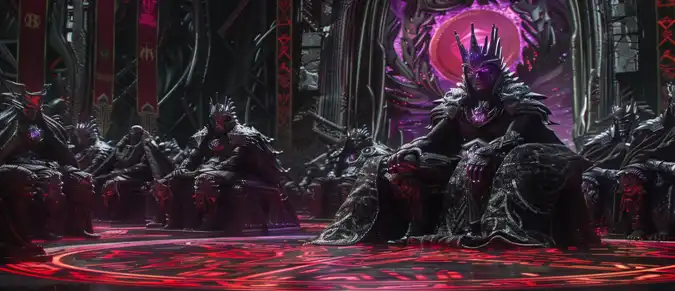

Crypto Raiders is a browser-based Web3 dungeon crawler built on the Polygon blockchain, where players control NFT heroes, send them into dungeons, and develop their stats while owning assets directly through their wallet. The project emerged during the early GameFi wave, combining a “play-to-earn” approach with a simple progression system. Low Polygon fees and the absence of a required client installation made the game accessible to a broad audience. A minimalist interface and gradual introduction to the in-game economy lower the entry barrier for newcomers. By blending simplicity with tokenization, Crypto Raiders carved out its niche within the Web3 RPG space.
Contents
- Concept of Crypto Raiders and Its Place in GameFi
- Gameplay and Dungeon Structure
- Crypto Raiders Economy and Tokens
- Platform Technology and Infrastructure
- Development Prospects and Model Risks
1. Concept of Crypto Raiders and Its Place in GameFi
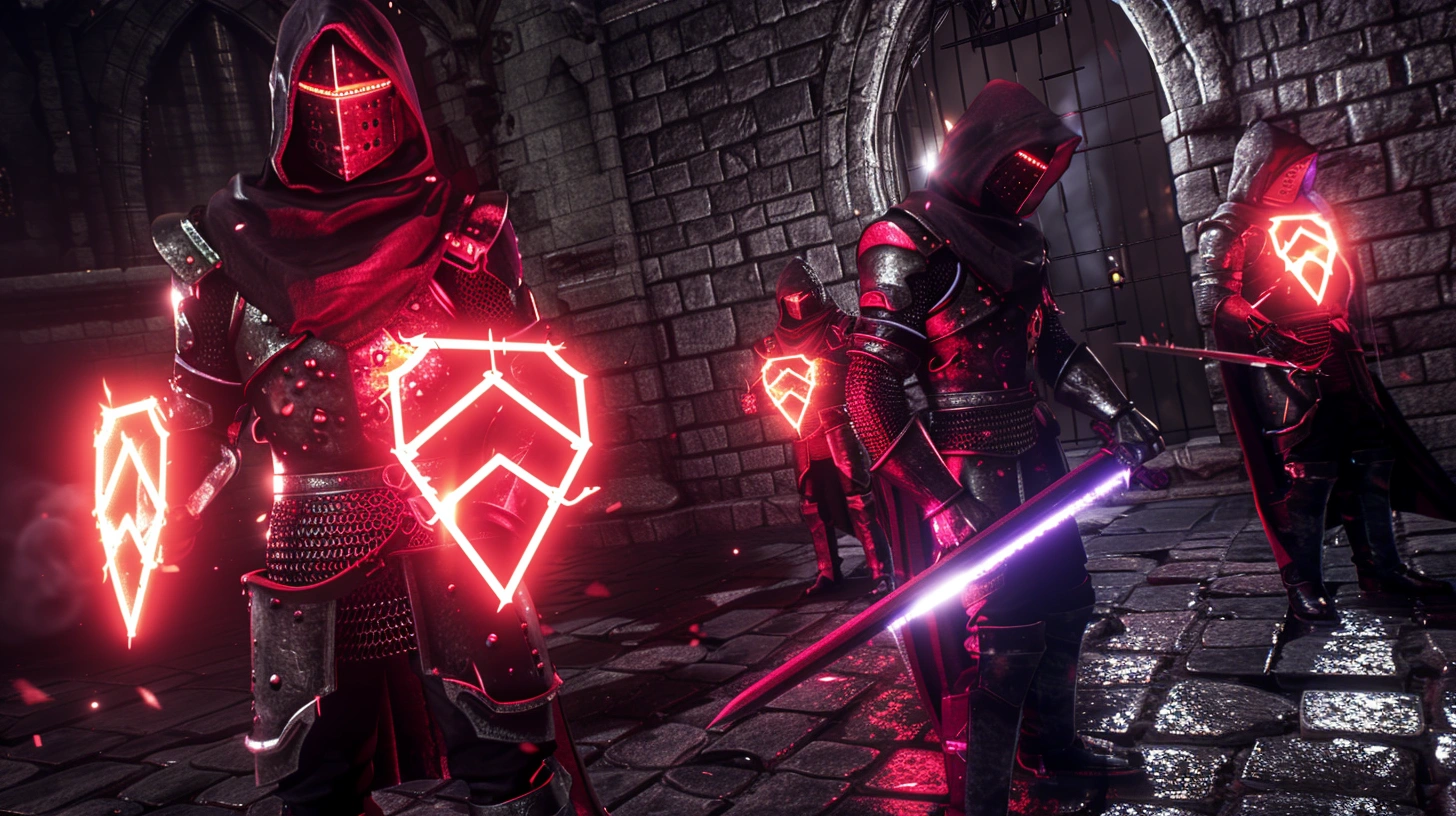
Crypto Raiders was designed as a Web3 RPG focused on autonomous NFT assets. Each hero is a unique ERC-721 token, meaning it has individual traits and independent ownership. Unlike traditional online games where characters exist only within a developer-controlled database, here they are secured on the blockchain. The project emerged during a period of rapid GameFi expansion and positioned itself as a simple browser-based game with an economic layer. The developers aimed to combine the collectible value of NFTs with gradual character progression, creating a model where ownership is directly tied to gameplay.
Accessibility was a key priority. Players could start without complex technical steps—connecting a wallet and acquiring an NFT hero was enough. This structure made Crypto Raiders an approachable entry point into blockchain gaming. The team also emphasized transparency, allowing players to see how rewards are calculated and how dungeon returns are generated. As a result, the project attempted to merge player motivation and digital ownership without overwhelming complexity.
2. Gameplay and Dungeon Structure
The core gameplay loop revolves around dungeon exploration. Players send their NFT hero on raids where battles are automated and rewards are calculated upon completion. Strategic decisions—such as difficulty selection and resource allocation—remain under player control. Dungeons vary in risk and potential loot, encouraging calculated decision-making. Players assess hero stats and probability of success before initiating a raid.
Key Elements of the Gameplay Loop:
- Acquiring or minting an NFT hero.
- Selecting dungeon difficulty and risk level.
- Automated combat and reward calculation.
- Earning AURUM and in-game resources.
- Upgrading stats and leveling up.
- Re-entering dungeons with enhanced heroes.
This format blends idle mechanics with strategic planning. Players do not directly control combat but influence long-term efficiency through decisions. Scaling difficulty adds depth, as stronger dungeons require optimized stats and smart resource distribution. Over time, players develop strategies—whether to invest in a single hero or diversify across multiple NFTs—affecting progression speed and potential returns.
3. Crypto Raiders Economy and Tokens
The project’s economy is built around two primary tokens and NFT heroes. RAIDER functions as the ecosystem token, while AURUM serves as the in-game currency used for upgrades and progression. Their interaction forms a cyclical economic structure. Players earn AURUM through successful raids and reinvest it into strengthening heroes, increasing the efficiency of future runs. This loop encourages continued engagement.
Main Digital Assets:
| Name | Type | Network | Function |
|---|---|---|---|
| RAIDER | ERC-20 | Polygon | Ecosystem and governance-related token. |
| AURUM | ERC-20 | Polygon | In-game currency for upgrades and enhancements. |
| Raider NFT | ERC-721 | Polygon | Playable character with unique attributes. |
Economic sustainability depends on balancing supply and demand. High player activity supports internal circulation, while declining engagement may pressure token value. Managing AURUM inflation is particularly important, as excessive issuance can reduce purchasing power. Meanwhile, RAIDER connects the in-game economy to broader ecosystem dynamics beyond simple gameplay transactions.
4. Platform Technology and Infrastructure
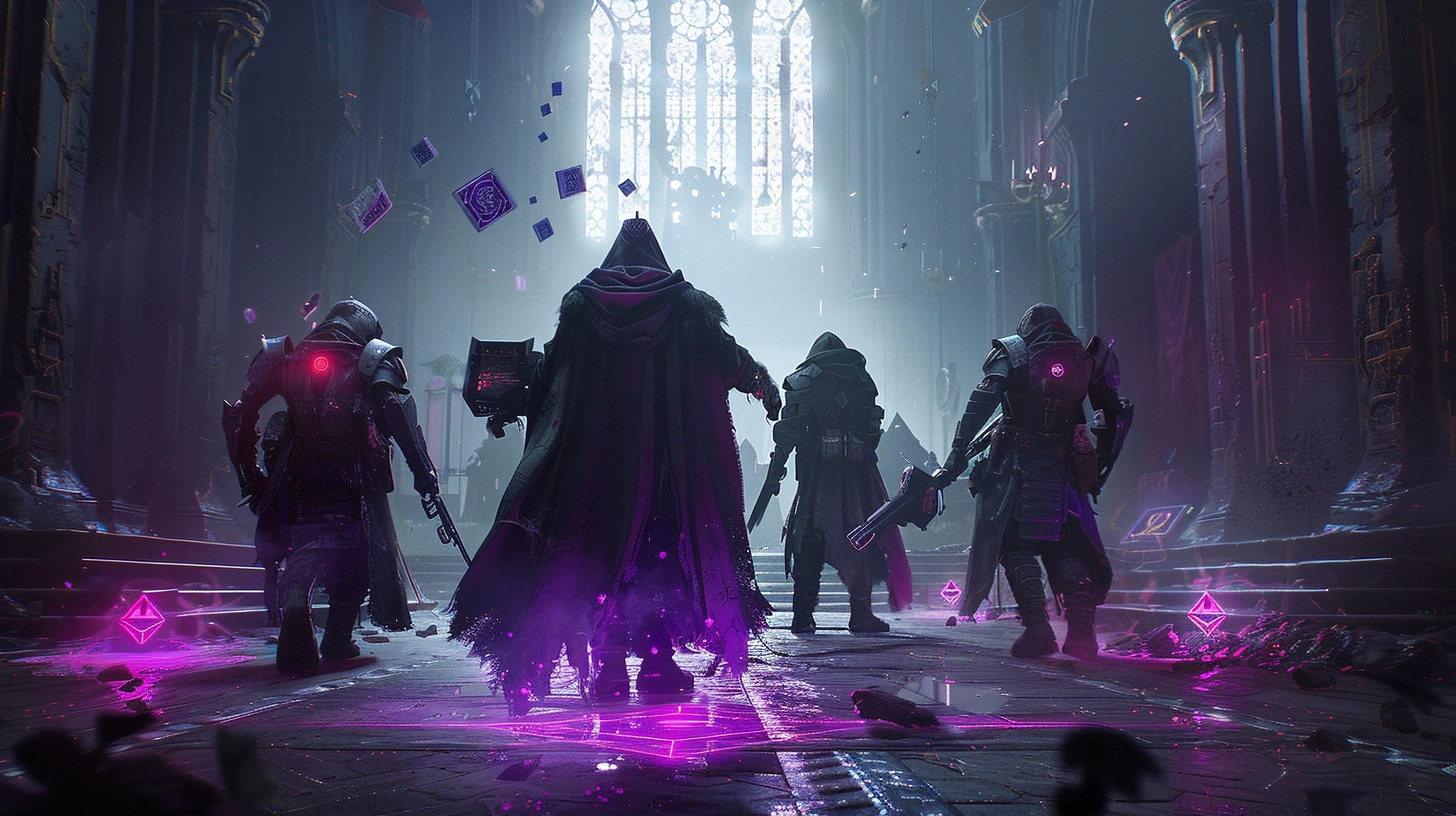
Crypto Raiders runs on the Polygon network, ensuring low transaction fees and fast confirmations. The use of ERC-20 and ERC-721 standards guarantees compatibility with popular wallets and marketplaces. As a browser-based game, it requires no installation—connecting a wallet is sufficient to manage NFTs and tokens. This reduces technical friction and expands accessibility.
Smart contracts handle token issuance, reward distribution, and character data storage. Blockchain transparency allows users to verify transactions and confirm asset authenticity. Polygon’s scalability enables high transaction throughput at minimal cost. This architecture increases resilience under load and simplifies the addition of new features. Decentralized asset storage reduces reliance on a single server, while Web3 integrations allow for future expansion without overhauling the core infrastructure.
5. Development Prospects and Model Risks
Crypto Raiders reflects an early GameFi structure: NFT characters, an internal currency, and a cyclical reward loop. Its strengths lie in simplicity and low entry barriers. However, long-term sustainability requires consistent content updates and tokenomic adjustments. Without expanding mechanics and maintaining supply balance, player interest may decline. Web3 market volatility also affects token value and user behavior.
Competition in blockchain gaming continues to grow, with newer projects offering more advanced visuals and mechanics. To remain relevant, Crypto Raiders must deepen gameplay and maintain community engagement. Transparent economic design and clear reward structures are equally critical. Ultimately, the project demonstrates how a dungeon crawler can integrate into a blockchain ecosystem, where success depends on balancing engaging gameplay with a sustainable economic model.











