

Edge of Chaos — an ambitious project from MetaGravity studio, aiming to combine elements of traditional MMORPGs and the possibilities of Web3. With the help of the innovative HyperScale Engine and decentralized infrastructure, the game promises to provide players with a unique experience in a world where every choice they make matters.
- Introduction to Edge of Chaos
- Technological Foundation: HyperScale Engine
- Decentralized Infrastructure and DePIN
- Economy and Tokenization
- The Role of Ancient Nodes
- Gameplay and Interaction with the World
- Conclusion
Introduction to Edge of Chaos
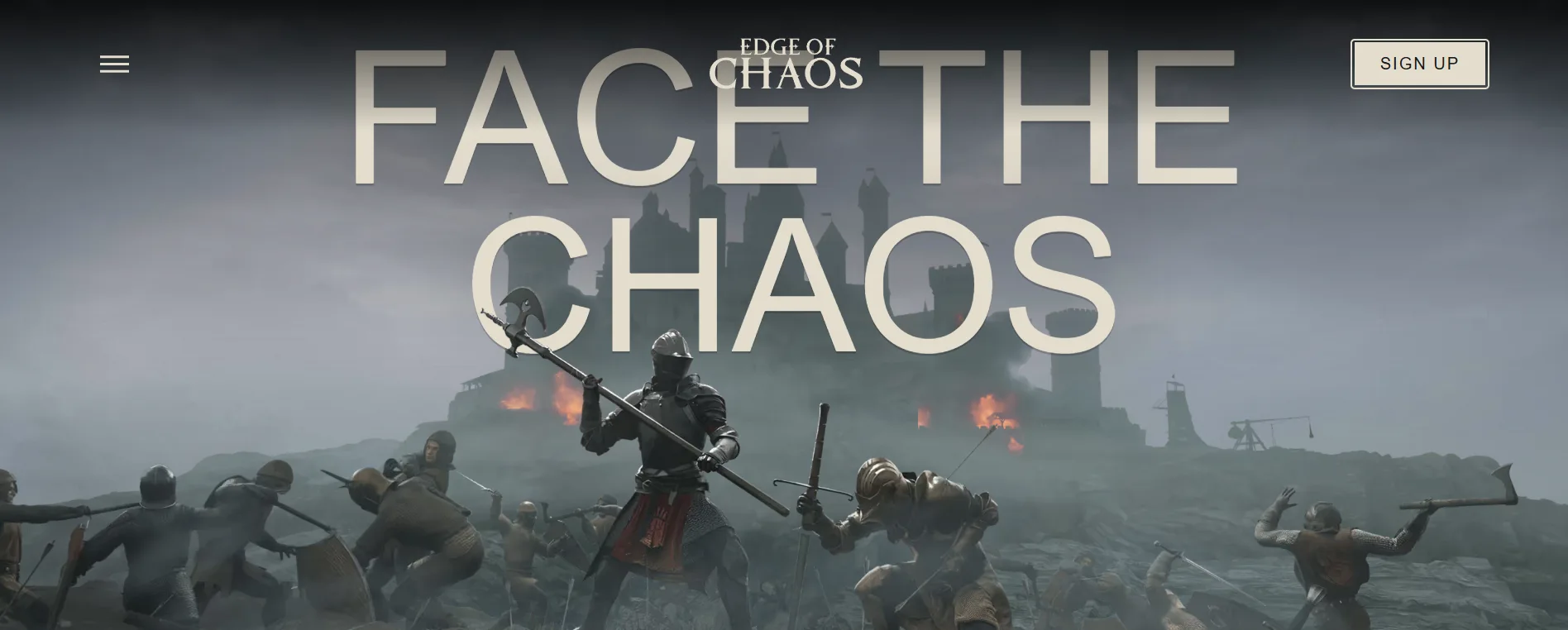
Edge of Chaos — a multiplayer online game combining traditional elements of MMORPGs and the possibilities of Web3. Players interact with a dynamic world where their decisions directly influence the development of events. In the game, each character can not only fight but also create unique items, participating in the world economy.
The primary focus of Edge of Chaos is on real ownership for players. All items, from weapons to land, are represented as NFTs. The game world is divided into factions, and each player can choose their side, influencing global events. This creates a unique gaming atmosphere where interaction with the world and other players plays a significant role.
Technological Foundation: HyperScale Engine
The technological foundation of Edge of Chaos is based on the powerful HyperScale Engine, which allows the creation of scalable game worlds. This engine was developed specifically for MetaGravity's game and solves performance issues by supporting tens of thousands of players interacting simultaneously in a single game universe. Unlike traditional MMORPGs, which use separate sharded servers, HyperScale Engine works on distributed computing principles, ensuring smooth and flawless gameplay regardless of the load.
One of the key features of HyperScale Engine is support for multitasking. In the game, players can simultaneously explore the world, fight enemies, gather resources, and interact with other players in real-time without losing quality or performance. This allows developers to implement everything they have envisioned without being limited by traditional server technologies.
Decentralized Infrastructure and DePIN
Edge of Chaos uses DePIN technology, based on distributed computing. Players can participate in maintaining the game's infrastructure by providing computational power or resources in exchange for rewards. This avoids dependence on centralized servers, ensuring the stability and security of the game.
Moreover, thanks to DePIN, the game's infrastructure continuously adapts to changes and community needs. Players can not only earn rewards for participating in the decentralized network but also influence the world’s development by completing tasks or ensuring the functionality of nodes. This opens up new opportunities for player engagement and the creation of a more dynamic and interactive game world.
Economy and Tokenization
In Edge of Chaos, tokenization is used to create the in-game economy. The primary token is QUINTESSENCE, used for purchasing items, crafting, and trading. All in-game assets, from weapons to land, are represented as NFTs, giving players real ownership.
| Token | Role in the game | Usage |
|---|---|---|
| QUINTESSENCE | Main currency token | Purchase, crafting, trading |
| LAND TOKENS | Land tokens | Owns land, can be sold |
| CRAFT TOKENS | Crafting tokens | Used for item creation |
The game’s economy also supports seasonal events, where players can earn additional tokens and rare items by participating in special quests or competitions. Additionally, DeFi elements in the game allow players to interact with financial tools such as staking, lending, or token exchanges, creating additional opportunities for monetization within the ecosystem.
The Role of Ancient Nodes
Ancient Nodes — strategically important elements of the game. Players who own Nodes receive rewards and can manage key aspects of the world, such as resources, territories, and factions. These nodes protect the world from external threats and ensure the integrity of the gameplay.
The role of Ancient Nodes:
-
Influence on the world’s development
-
Protection from cheaters
-
Resource management
Players who control Ancient Nodes can develop their territories, strengthen their economy and defense, and receive special rewards for their in-game activity.
The unique feature of Ancient Nodes is that they also play an important role in ensuring the security of the game. They are used to protect against cheaters, control the fairness of combat, and maintain order in the world. These mechanisms ensure fairness and balance, making the game more exciting and competitive.
Gameplay and Interaction with the World
Edge of Chaos offers several game modes, including PvE, PvP, and PvPvE, offering players a wide range of choices. The game world is rich with factions and different missions, allowing each player to choose their role — from explorer to participant in massive battles. Each player can influence the world’s development by participating in significant events, battles, and strategic control over territories.
Main features:
-
Exploring the open world
-
Crafting and trading system
-
Numerous factions and dynamic PvP battles
Gameplay involves active interaction with the world, where every choice influences the course of events. Players can build settlements, engage in massive wars, or simply explore the world. Forming alliances and interacting with other players is important, as the political and economic situation in the world constantly changes, and each faction strives for dominance. Additionally, the game world is continuously evolving, adding new locations, quests, and events, keeping the experience fresh over time.
Conclusion
Edge of Chaos — is not just a game, but a full ecosystem with a decentralized economy, unique mechanics, and real ownership of assets. By using HyperScale Engine and DePIN, the project promises to become a major player in the Web3 gaming market, offering players new opportunities to interact with the world and other users.











