

Player versus Player (PVP) is a video game genre where the core gameplay focuses on competition between real players. This format attracts millions of gamers worldwide due to its competitive spirit, opportunities to showcase skills, and strategic thinking. In recent years, PVP has gained popularity in the field of blockchain games, where classic gameplay is enhanced by decentralization technologies and a unique in-game economy.
Contents:
- What are PVP Games?
- Features of PVP Games
- Who are PVP Games for?
- PVP Games on Blockchain: New Opportunities
- Examples of Popular Blockchain PVP Games
- Conclusion
What are PVP Games?
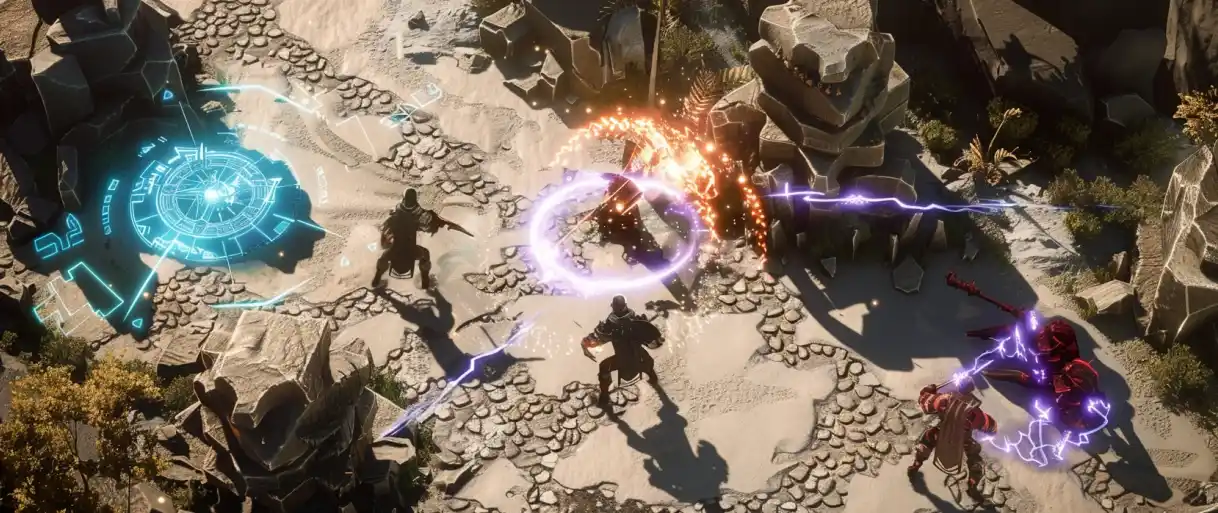
PVP games are a genre where players compete against each other in real-time. Objectives may include winning a duel, completing specific tasks, or participating in large-scale battles. The format of PVP games can vary, from shooters and strategies to fighting games and sports simulators.
These games feature a variety of modes, such as:
- Duels (1v1), where players face off one-on-one.
- Team Battles (5v5 or more), where teams compete to achieve a common goal.
- Massive Wars, involving dozens or even hundreds of participants.
The genre’s popularity is attributed to its dynamic nature and high level of engagement. PVP allows players not only to develop individual skills but also to compete in teams, combining efforts.
Features of PVP Games
PVP (Player versus Player) games offer a unique experience, enabling players to compete against each other in real-time. Unlike battles against artificial intelligence, these encounters require high adaptability and strategic thinking, as the behavior of real opponents is unpredictable. The competitive nature of PVP encourages players to constantly improve their skills and develop new tactics for success.
Additionally, the social aspect of these games plays a significant role: interacting with other gamers, joining teams or clans fosters community development and strengthens connections among participants. Many PVP games implement ranking systems to track progress and compare achievements with others, creating extra motivation to enhance personal performance and aim for leadership. Overall, PVP games provide an engaging and dynamic gameplay experience, where every encounter is a new challenge and an opportunity to showcase abilities.
Who are PVP Games for?
PVP games appeal to a wide audience. The main focus is on competitive players who enjoy dynamic scenarios and interaction with other users.
Who PVP Games are Best Suited For:
- Challenge Lovers. The genre is designed for those who want to test their skills.
- Team Players. PVP is ideal for those who prefer cooperation.
- Strategy Fans. Real-time decision-making and tactical development are the foundation of many PVP games.
- Competitive Gamers. Games with rankings and tournaments create a stage for high-level competition.
These games can be enjoyable for both professionals and beginners, thanks to a variety of difficulty levels and modes.
PVP Games on Blockchain: New Opportunities
With the advent of blockchain, PVP games have gained an additional layer of functionality. Players can earn real assets by participating in battles or own in-game items as NFTs.
Advantages of Blockchain PVP Games:
| Advantage | Description |
|---|---|
| Transparency | All results and transactions are recorded on the blockchain, ensuring fairness. |
| In-game Economy | Players can trade, sell, or purchase game assets. |
| Decentralization | Independence from central servers increases reliability and security. |
| NFT Assets | Unique items or characters that can be used in other games. |
Innovations such as tokenized rewards make the gaming process more engaging and rewarding.
Examples of Popular Blockchain PVP Games
The world of blockchain gaming features numerous popular PVP projects offering unique gaming experiences. Axie Infinity is one of the most well-known games, where players breed and train creatures called Axies to participate in PVP battles. Each Axie is a unique NFT that can be sold on the market.
Gods Unchained is a collectible card game where players battle each other using unique cards that can be bought, sold, and traded. The game offers competitive gameplay with tournaments and rewards.
Splinterlands is a digital collectible card game where players engage in fast-paced matches using their card decks. Each card is an NFT, giving it real value.
Thetan Arena is a multiplayer online battle arena (MOBA) combining dynamic battles with blockchain technology. Players can battle each other using various heroes, each with unique abilities.
Illuvium is a role-playing game with PVP elements, where players explore a vast open world, collect creatures called Illuvials, and fight for rare resources and assets. The game features high-quality graphics and deep gameplay.
These projects showcase the diversity and potential of blockchain PVP games, offering players not only exciting gameplay but also the opportunity to own and trade unique digital assets.
Conclusion
PVP games remain one of the most in-demand genres due to their dynamic nature and competitive spirit. With the advent of blockchain, this genre has taken a new turn, offering players the chance to earn and own unique in-game assets. Regardless of skill level, every player can find their niche in the world of PVP.











