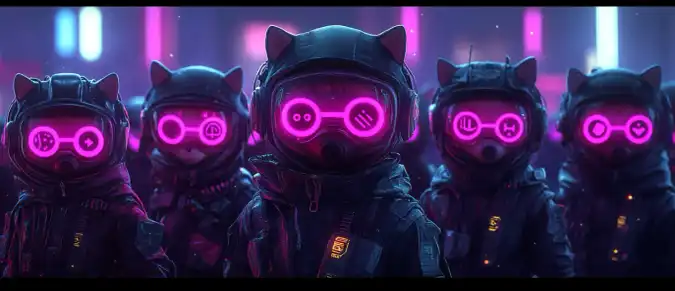

Grand Arena is the flagship AI fantasy project by Moku, built on the Ronin blockchain and combining autonomous digital athletes called Moki, a card-based economy, strategic management, and daily competitions with large prize pools. Unlike typical Web3 games, Grand Arena does not require manual character control: AI agents compete 24/7, while players focus on analysis, card collection, build creation, and tournament participation. This approach forms a new type of gaming ecosystem, where understanding the meta, working with data, and managing resources effectively play a key role. Grand Arena aims to bring together elements of fantasy sports and on-chain economy, creating a space for long-term competitive engagement.
- Grand Arena (Moku): concept and architecture of the AI fantasy arena
- Gameplay modes and mechanics of Grand Arena: the structure of Moki interaction
- NFT ecosystem and card layer of Grand Arena
- Grand Arena economy: mXP, Booster Boxes, prizes and progression
- Prospects, risks, and the role of Ronin in the project’s development
Grand Arena (Moku): concept and architecture of the AI fantasy arena
Grand Arena is built on the idea of autonomous gameplay where most actions are performed by AI agents, while the player focuses solely on strategic decision-making. This allows players to concentrate on long-term planning rather than micro-managing battles. Such an approach makes the game accessible to a wider audience, as the outcome is determined by analysis, preparation, and understanding of the meta. The project is evolving into a platform that can support various types of interactions and new gameplay modes.
The game is a key focus for Moku, which has redirected its resources toward developing Grand Arena. This decision highlights the team’s ambition to build a large-scale ecosystem around digital athletes and fantasy mechanics. Thanks to its modular structure, the system can easily expand with new card sets, classes, and events.
Gameplay modes and mechanics of Grand Arena: the structure of Moki interaction
The interaction model in Grand Arena is based on two stages: preparing the character and then testing its effectiveness in battle. This structure makes the gameplay predictable and logical, since each result reflects the quality of the decisions made. With continuously updated statistics, the game forms a dynamic environment in which players adapt to changes in the meta.
Moki Manager — preparation, stat allocation, and build formation
In Moki Manager, the player sets the parameters that determine how a Moki behaves and what role it takes in the team. Precise stat allocation affects the character’s survivability and performance in tournaments. The Manager encourages experimentation with different strategies, as even a small adjustment can influence the outcome of future matches.
Moki Mayhem — autonomous AI battles and performance testing
In Mayhem mode, the player observes the execution of their decisions: Moki fight in a 3×3 format, fully relying on the parameters assigned to them. Battle results serve as an objective confirmation of the quality of preparation. This mode transforms every change in the Manager into a practical test, increasing the value of strategic planning.
Interaction chain of the modes
The sequence “preparation → battle → statistics → fantasy competitions” makes the gameplay cyclical and meaningful. The player feels a direct connection between their efforts and the outcome, which increases engagement. This model makes the game easier to learn while still maintaining deep strategic potential.
NFT ecosystem and card layer of Grand Arena
The NFT collection Moki Genesis forms the foundation of the entire ecosystem, providing access to training, progression, and unique gameplay opportunities. The more successful a Moki is in battle, the higher its internal and market value. This creates a natural link between in-game performance and the project’s economy.
The card layer adds another strategic dimension to Grand Arena, allowing players to build different lineup combinations. The structure of the card set makes each deck unique, and rare cards provide competitive advantages. This system stimulates collection building and interaction with the game’s economy.
Card structure table:
| Element | Description |
|---|---|
| Moki Genesis | Base AI agents providing access to progression |
| Champion Moki | Top 100 Moki that become cards in Season 1 |
| Booster Cards | Starter set of ~150 cards |
| Scheme Cards | Cards that change rules and match mechanics |
| Chase Cards | Ultra-rare cards from boosters |
Additional rarity levels and unique card types create a wide range of strategic possibilities when building decks. This allows players to adapt their lineups for specific tournaments or seasonal meta shifts. The variety of card combinations significantly enhances gameplay depth and strengthens the collectible nature of the project.
Grand Arena economy: mXP, Booster Boxes, prizes and progression
The economic system of Grand Arena is based on the combination of mXP progression, collectible assets, and a competitive model with monetary prizes. The availability of a large prize pool increases competitive motivation and encourages players to develop their Moki long term. This also influences NFT liquidity, as they become not just digital items but functional strategic assets.
mXP is the central progression metric and determines a Moki’s capabilities in battles and fantasy modes. Booster Boxes serve as both a source of new cards and a tradable market asset, supporting economic activity. This structure makes the in-game economy flexible and resilient to external changes.
Prospects, risks, and the role of Ronin in the project’s development
The Ronin blockchain provides Grand Arena with low fees and high throughput, which is critical for a game requiring constant data updates. This enables stable activity for a large number of players without technical overload. Additionally, the Ronin ecosystem is already familiar to Web3 gaming audiences, making onboarding easier.
Among the risks are the need to maintain player interest after the initial seasons and to adapt the AI to evolving conditions. Transparency of mechanics and predictable balancing will be key factors for long-term success. If executed well, Grand Arena could become the foundation for an expanded AI-driven fantasy infrastructure.











