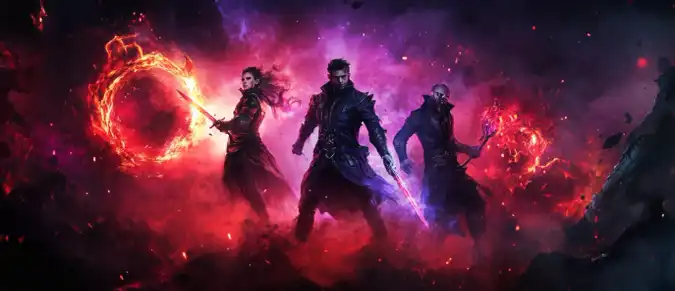

Immortal Rising 2 is a cryptocurrency-based action-RPG game that immerses players in a dark fantasy world where the battle against demons and the restoration of balance between light and darkness form the core of the gameplay. The game combines elements of traditional RPGs and blockchain technology, offering unique opportunities for trading NFTs and utilizing in-game tokens. In Immortal Rising 2, players can create their own characters, fight dangerous enemies, explore ancient worlds, and interact with other users through DAO and blockchain economy.
- Immortal Rising 2 Overview
- Blockchain and Game Economy
- Gameplay and Mechanics of Immortal Rising 2
- Community and Management
- Roadmap and Future of Immortal Rising 2
- Conclusion
Immortal Rising 2 Overview
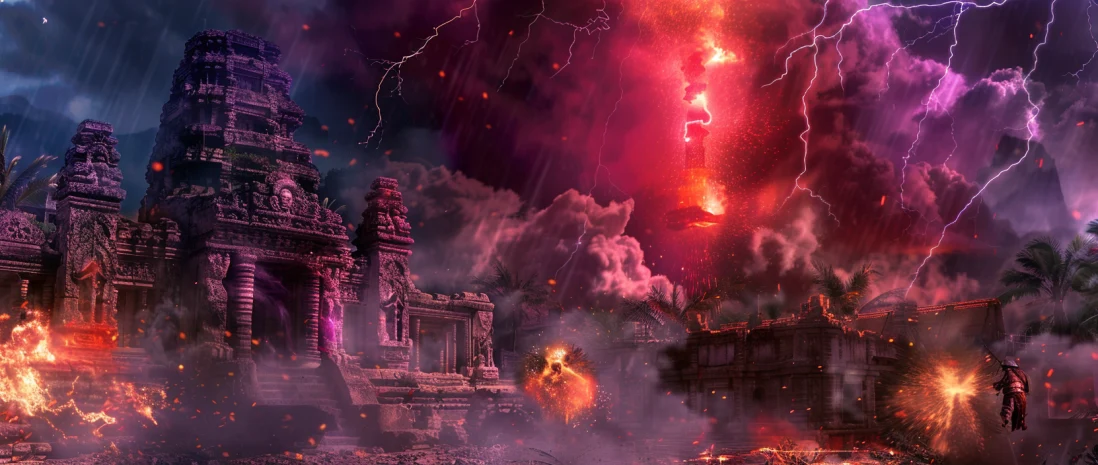
Immortal Rising 2 immerses players in a dark and captivating world where they become part of a grand battle for survival. The game’s plot focuses on ancient beings known as the Immortals, who have been resurrected to fight the forces of darkness. Players can choose unique characters, each with their own abilities and skills. As they progress, they can level up their characters, explore various locations, and fight powerful enemies like demons and other supernatural beings. The game places a strong emphasis on interaction with the world and other players, creating a living and dynamic environment.
The gameplay includes various modes and quests that allow players to engage in battles, solve puzzles, complete missions, and earn valuable rewards. An important part of the game is the character development system, where the choice of skills and leveling up directly affect success in combat. Moreover, the in-game economy and blockchain elements give players the opportunity to trade unique assets, creating a new level of interaction and strategy.
Blockchain and Game Economy
Immortal Rising 2 utilizes advanced blockchain technology to ensure transparency and security of game assets. The game is built on Immutable X, a layer-2 blockchain for Ethereum, enabling fast and secure transactions with low fees. This foundation supports an NFT system where each item, character, or artifact is unique and holds intrinsic value.
The blockchain system in Immortal Rising 2 allows players not only to own digital assets but also to actively interact with them. Each NFT in the game represents a unique element—from rare artifacts to characters, which can be traded or sold to other players. This gives players the opportunity to earn by selling items and also enhance their characters by making purchases with tokens.
The game’s economy is built around two key components: NFTs and in-game tokens, which provide dynamic interactions between players.
- In-game tokens for upgrading characters and equipment.
- Unique NFT items that can be traded or sold.
- Opportunities to trade assets both inside and outside the game.
- Security and transparency through Immutable X.
- Integration with DAO for better game management.
These components allow players to build their strategy not only within the game but also beyond it, turning game items and characters into real value. Interaction with blockchain enables the implementation of a reward and governance system via DAO, promoting community involvement in decision-making. The NFT system and in-game tokens make the game economy unique, enabling players to earn and trade assets.
Gameplay and Mechanics of Immortal Rising 2
The gameplay of Immortal Rising 2 offers players a wide range of options for creating and developing characters, as well as dynamic battles utilizing various mechanics. Each character in the game has a unique set of skills and traits, allowing for the creation of unique battle strategies. Players can choose from various character classes, such as warrior, mage, archer, and others, each with their own abilities and playstyle.
The skill combination system allows players to experiment with different approaches to combat. Depending on the chosen combination of weapons and magic, characters can use powerful abilities that open up new tactical opportunities. For example, combining fire and ice attacks can create unique effects, such as freezing enemies while inflicting fire damage.
Examples of Skill Combinations:
| Combination | Description |
|---|---|
| Sword + Fire | The sword is surrounded by flames, turning all attacks into fiery ones with additional damage. |
| Shield + Lightning | The shield reflects part of the damage taken and deals electric damage to nearby enemies. |
| Bow + Fire | The arrows ignite, dealing fire damage and leaving a trail of flames on the ground. |
| Spear + Ice | The spear freezes the target, reducing its speed and dealing periodic ice damage. |
These combinations influence battle tactics, allowing players to adapt to various enemies and situations. It is also worth noting that the game features different types of combat modes: from PvE modes, such as dungeons and quests, to PvP arena battles, where players can fight against each other for valuable resources and achievements. In these modes, players will be able to acquire unique items and resources, which will help improve their characters further.
Community and Management
Immortal Rising 2 actively develops its community and encourages player participation in game management. The DAO (Decentralized Autonomous Organization) system allows players to take part in important decisions regarding the future of the project. This includes voting for updates, changing game mechanics, improvements, and proposing new content ideas.
Interaction with other players is crucial in the game. Guilds, alliances, and communities become an important part of strategy. Collaborating within these groups not only helps overcome challenging trials but also allows players to participate in managing the game world. This creates an environment where each player can contribute to the project’s development and influence its future direction.
Additionally, the reward system and active involvement in governance create motivation for players to become more engaged in the game, maintaining long-term interest and community activity.
Roadmap and Future of Immortal Rising 2
The developers of Immortal Rising 2 have laid out ambitious plans for the future of the game, including regular updates and additions that will make the game even more engaging and diverse. In the coming months, new character classes are planned to be added, as well as improvements to the combat system, allowing players to create even more unique strategies. The developers are actively working on improving the blockchain system to make it more scalable and user-friendly.
Roadmap:
- Launch of new character classes and improvements for existing ones.
- Expansion of opportunities for NFT and in-game asset trading.
- Implementation of new DAO features and improved game management.
- Adding new locations and quests, expanding the world.
- Improvement of battle mechanics and strategy, addition of new modes.
In the future, new opportunities for asset trading and game world management through DAO will be implemented, strengthening player interaction with the project. Additionally, NFT mechanics will continue to evolve, enabling players to interact more effectively with in-game items and assets. These changes will help further the development of the game and make it even more appealing to players, ensuring its long-term popularity and player engagement.
Conclusion
Immortal Rising 2 is an exciting combination of traditional RPG elements and cutting-edge blockchain technology. Players gain a unique opportunity not only to immerse themselves in a dark fantasy world but also to actively participate in the economy through NFTs and tokens. With a variety of characters, a unique skill system, and constant game development, the project is set to become an important player in the cryptocurrency gaming market, attracting more users and offering new opportunities for interaction and earning. The developers are actively working on updates, ensuring continued growth and improvement of the game. All of this makes Immortal Rising 2 one of the most promising projects in the Web3 genre.











