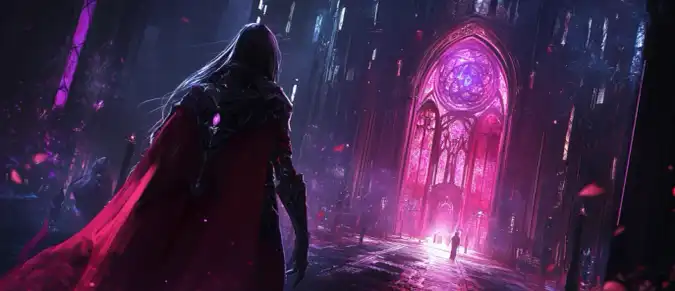

Intraverse — an innovative cryptocurrency game that combines blockchain, NFT, and gaming economy elements. The project allows users to create their own virtual worlds, own unique digital assets, and earn through gaming activities. Based on the Polygon blockchain, Intraverse stands out for its high transaction speed and low fees. The game opens new opportunities for gamers, blending traditional gaming with the advantages of decentralized technologies and real monetization.
- What is Intraverse?
- Key Features of the Project
- Game Economy: Earning Opportunities
- Technical Aspects: Blockchain and Smart Contracts
- Advantages and Prospects of Intraverse
- Conclusion
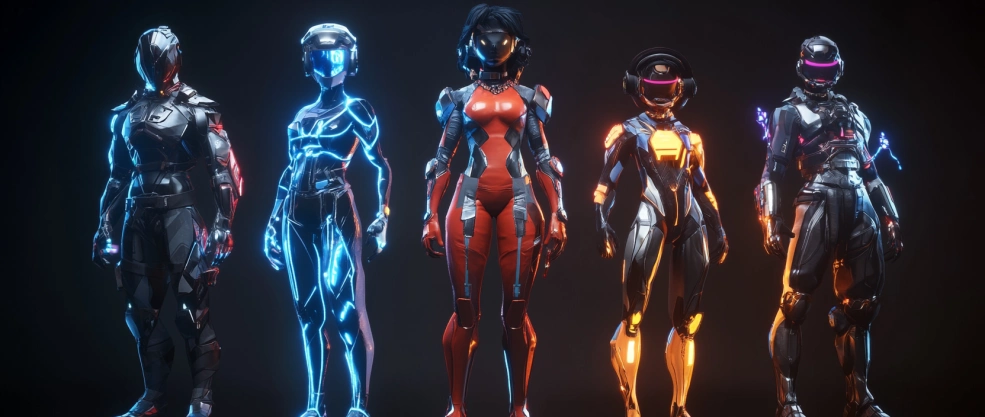
What is Intraverse?
Intraverse — a metaverse where every player can become a creator and participant in a digital world. The project focuses on integrating NFTs, providing users with genuine ownership of in-game assets. Everything — from characters to items and lands — can be monetized and utilized in the real economy.
The primary goal of the project is to merge elements of traditional gaming with blockchain, offering users not only engaging gameplay but also financial benefits. In Intraverse, players can explore unique worlds created by other users, build their own, and interact through built-in gaming mechanics.
The game is built on the Polygon blockchain, which ensures high performance and minimal transaction costs. Thanks to this, Intraverse is accessible to both experienced crypto enthusiasts and newcomers who are encountering blockchain technologies for the first time.
Each player gets access to a variety of tools to create and customize unique worlds. This process does not require deep programming knowledge, making the project universal and appealing to a wide audience. Intraverse — is not just a game but a new virtual reality that combines creativity, technology, and interaction.
Key Features of the Project
Intraverse offers unique mechanics and opportunities that make it stand out among other cryptocurrency games. The project combines the advantages of blockchain, NFT, and engaging gameplay, creating a large-scale decentralized ecosystem. Players can not only enjoy gaming but also earn by participating in the game's economy. Innovations at the core of Intraverse ensure ease of use, asset security, and flexible interaction.
Key features of Intraverse:
- Creating unique worlds: players get tools to create their own virtual worlds with individual rules and mechanics.
- Using NFTs: all in-game assets, including characters, items, and lands, exist as non-fungible tokens, ensuring true ownership.
- Cross-platform availability: the game is accessible on both PC and mobile devices, making it convenient for a wide audience.
- Ease of blockchain interaction: thanks to Polygon, the process of connecting and interacting with digital assets becomes intuitive even for newcomers.
- Monetization opportunities: users can earn through completing tasks, developing lands, and selling NFTs.
These features make Intraverse attractive to both players seeking entertainment and investors interested in blockchain applications. The combination of scalability, convenience, and innovative gaming mechanics allows the project to take a leading position in the world of cryptocurrency games.
Game Economy: Earning Opportunities
The economic model of Intraverse is built on the integration of tokens and NFTs into the gameplay, allowing players to generate income by participating in various activities. The game’s economy is designed to benefit both active players and virtual asset owners.
The main earning methods include trading NFTs, completing tasks, and developing lands. In-game assets can be bought and sold on marketplaces, while participating in missions and events yields rewards. Owning land plays a significant role, as it allows players to construct buildings, host events, and lease plots.
Table of main earning opportunities in Intraverse:
| Earning Method | Description | Potential Benefits |
|---|---|---|
| NFT Trading | Buying and selling in-game items | Depends on item rarity |
| Participating in Events | Completing quests and missions | Daily in-game rewards |
| Owning Land | Leasing or constructing buildings | Passive income |
| Managing through DAO | Voting and contributing to game development | Additional bonuses |
Intraverse developers have created a flexible reward system to ensure that every player can find a suitable way to monetize their activities. The project’s economy is aimed at attracting a wide audience, ranging from gamers to crypto investors, offering long-term earning potential.
Technical Aspects: Blockchain and Smart Contracts
Intraverse is based on the Polygon blockchain, one of the most promising platforms for gaming projects due to its low fees and high transaction speeds. Polygon is a Layer-2 solution for Ethereum, providing the project with access to the extensive Ethereum ecosystem while reducing costs.
All elements of Intraverse are integrated through smart contracts, ensuring transparency and security for transactions. Player assets, such as characters and lands, are NFTs created using the ERC-721 and ERC-1155 standards. This allows seamless interaction with other platforms supporting these standards.
One of the key goals of Intraverse is to ensure scalability. The Polygon blockchain processes thousands of transactions per second, making the gameplay smooth and fast. In the long term, developers plan to integrate with other blockchains, increasing asset accessibility and attracting a broader audience.
The technical documentation highlights transparency, decentralization, and reliability as the core principles of Intraverse. These qualities not only enable innovative mechanics but also foster a high degree of trust among users.
Advantages and Prospects of Intraverse
Intraverse offers a range of competitive advantages that make the project appealing to both gamers and investors. One of the main benefits is the integration of blockchain and NFTs, enabling users to own assets and earn by participating in the game’s ecosystem.
Main advantages of Intraverse:
- Real monetization: the ability to earn by participating in activities and trading NFT assets.
- Low fees: using the Polygon blockchain ensures minimal transaction costs.
- High transaction speed: Polygon’s technology allows for instant operations, essential for dynamic gameplay.
- Accessibility for newcomers: the simple interface and onboarding make the game attractive even to users without prior experience with cryptocurrencies.
- Scalability: the ability to add new worlds, mechanics, and integrate with other blockchains.
These advantages make Intraverse stand out among other cryptocurrency games.
Beyond the already implemented features, the project is actively evolving, offering players more opportunities. Plans include the introduction of new game mechanics, integration with DeFi applications, and creating cross-chain functionality. This will increase asset liquidity and expand the user base.
Conclusion
Intraverse combines the best aspects of blockchain, gaming, and NFTs, creating a unique ecosystem where users can not only play but also earn. By leveraging the Polygon blockchain, the project offers low fees, high transaction speeds, and accessibility for newcomers. The ability to own and trade digital assets as NFTs makes Intraverse attractive to both gamers and crypto investors. The development of the metaverse, integration of new mechanics, and scalability promise to make Intraverse one of the leaders in the world of cryptocurrency games.











