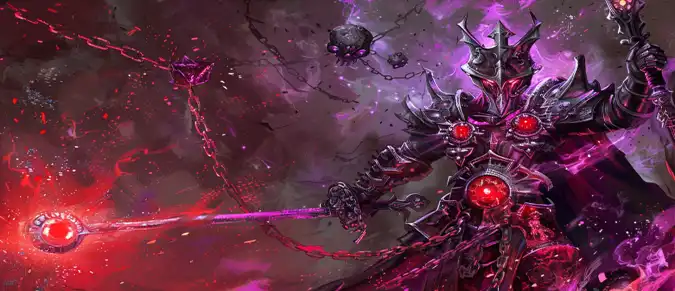

Knight War Spirits is a Web3 game that combines RPG mechanics, strategic battles, and blockchain technology. Players engage in combat, upgrade their assets, and interact with an in-game economy where digital items carry real value. Unlike many early GameFi projects, the game focuses not only on earning opportunities but also on gameplay quality. Below is a detailed overview of the project’s concept, mechanics, token system, NFT integration, and key risks.
Contents
- Concept and Vision of Knight War Spirits
- Gameplay and Game Modes
- Knight War Spirits Token Economy
- NFT and In-game Assets
- Advantages and Risks of the Platform
1. Concept and Vision of Knight War Spirits
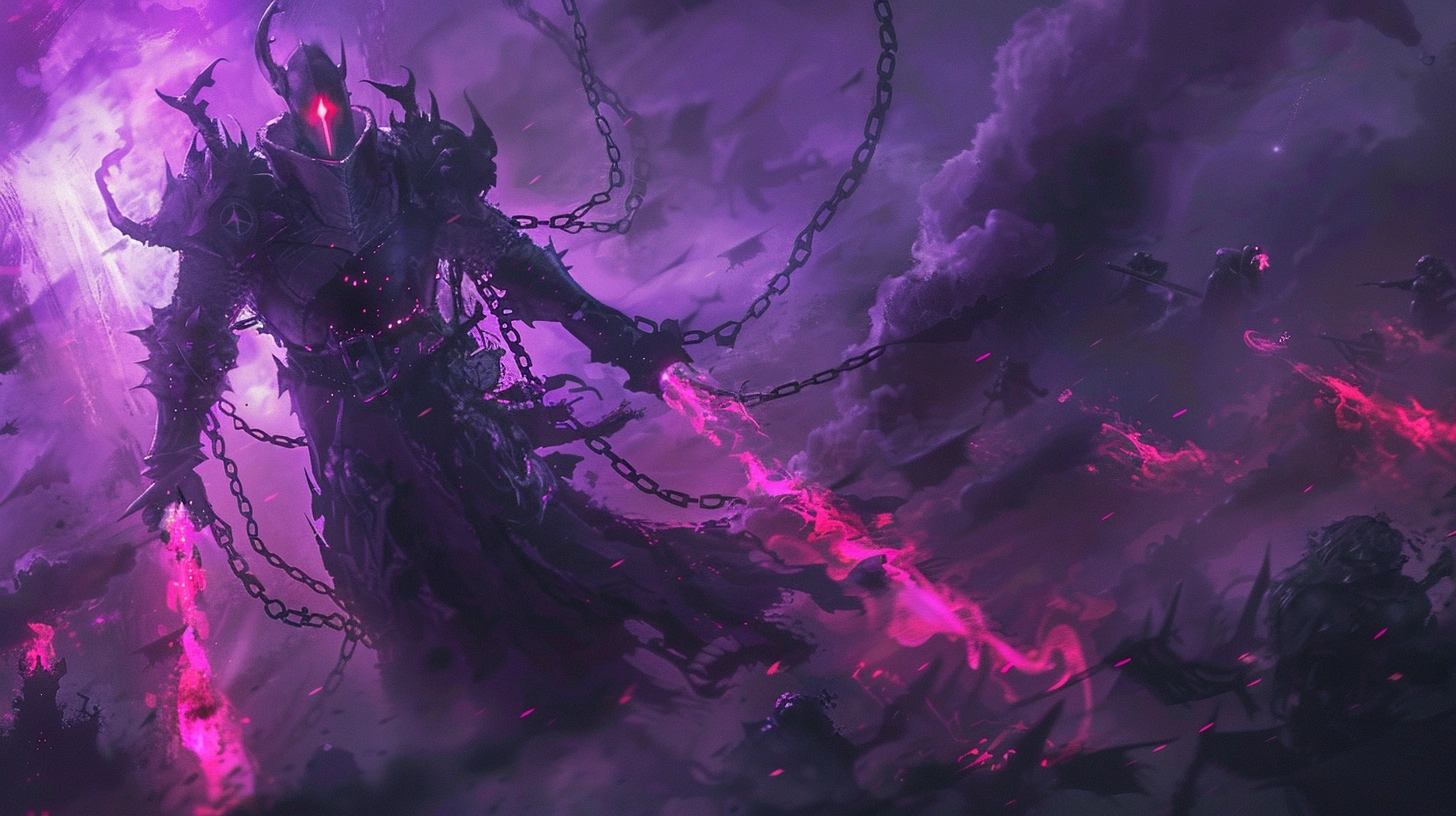
Knight War Spirits is a Web3 game that blends strategy and RPG elements with blockchain infrastructure. The project is designed to create an environment where players not only interact with gameplay mechanics but also own their digital assets. Its foundation is the play-to-earn model, allowing users to earn resources and utilize them within the ecosystem.
The storyline unfolds in a fantasy world where different races unite to fight a common threat. This narrative builds the foundation for combat systems, character progression, and overall immersion. Unlike many early blockchain games, Knight War Spirits emphasizes both gameplay quality and economic elements, creating a more balanced experience.
NFTs and tokens are integrated in a way that enhances gameplay rather than replacing it. This approach ensures a natural and engaging user experience. Additionally, developers focus on accessibility, offering a simplified interface and gradual onboarding to help new players adapt quickly and stay engaged.
2. Gameplay and Game Modes
The gameplay revolves around battles where players build teams and apply strategic decisions. Success depends on selecting the right heroes and effectively combining their abilities, adding depth to each encounter. The game includes multiple modes such as PvE campaigns and PvP battles, each offering different rewards and challenges.
Core gameplay features:
- turn-based or semi-automated combat;
- PvE campaign with progression;
- boss fights and special encounters;
- competitive PvP mode;
- daily missions and rewards.
Daily tasks and reward systems encourage consistent player activity and long-term engagement. The combination of automated combat and strategic elements makes the game accessible to beginners while still offering depth for experienced players.
The progression system allows players to upgrade heroes, enhance abilities, and unlock new features. This creates a sense of achievement and keeps gameplay dynamic. The variety of modes helps reduce repetition and provides a more engaging experience overall.
3. Knight War Spirits Token Economy
The economic model of Knight War Spirits is based on two tokens, each serving a distinct purpose. This structure separates gameplay mechanics from governance and ecosystem management. The main token is used for governance, staking, and key platform functions, while the secondary token is tied to in-game activities and rewards.
| Token | Role in Ecosystem |
|---|---|
| KWS | Main token used for governance, staking, and core platform operations |
| MRE | In-game token used for rewards, crafting, and gameplay-related actions |
Players earn resources through battles and missions, which can then be used to upgrade assets or interact with the in-game economy. This model ensures that value is generated through player participation rather than speculation.
Additional mechanisms such as token burning and usage limits are implemented to control inflation. These features help maintain balance between supply and demand, making the economy more stable and sustainable over time.
4. NFT and In-game Assets
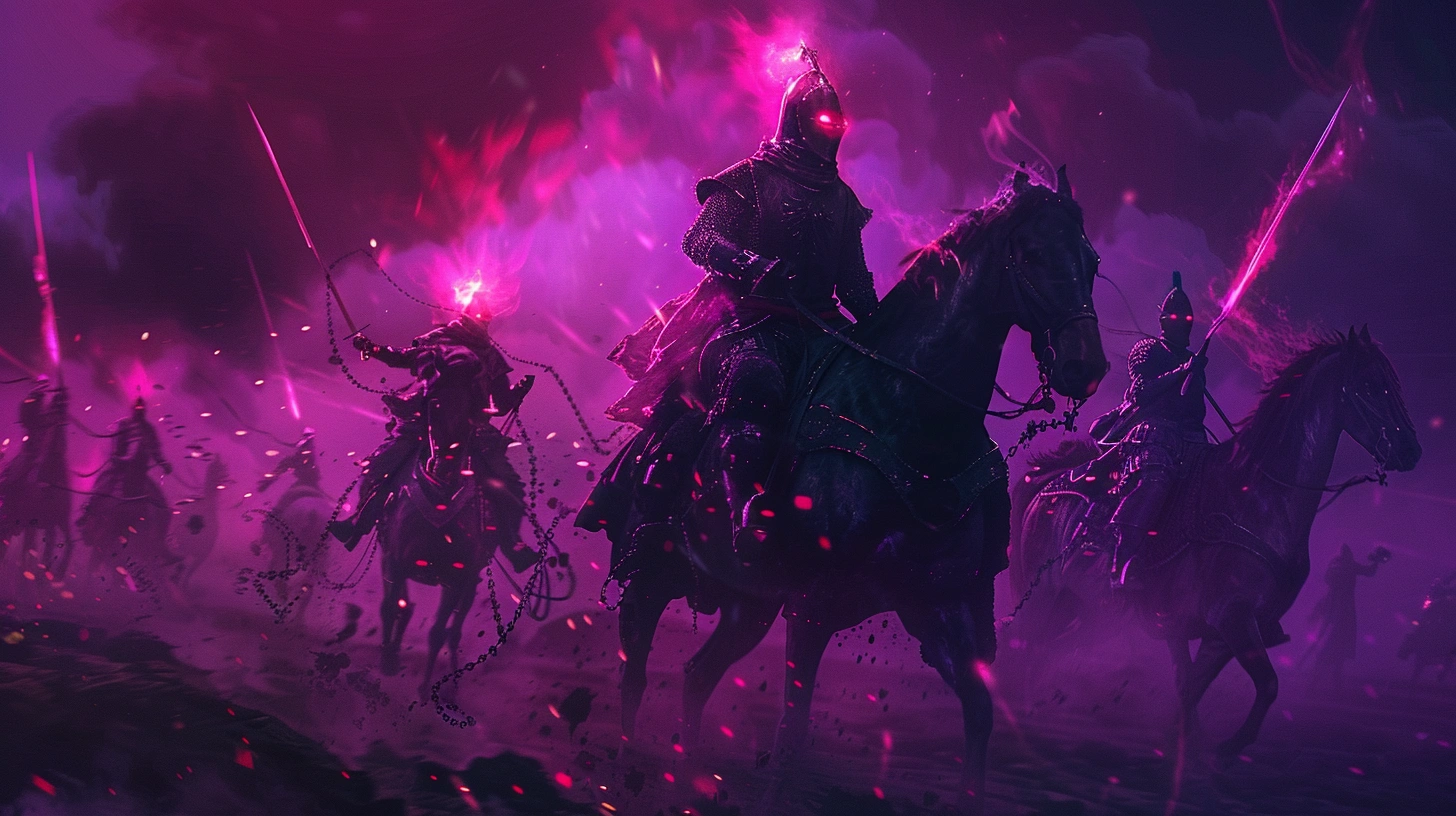
Knight War Spirits активно использует NFT, при этом основной акцент сделан на оружии, а не на персонажах. This distinguishes the project from many other Web3 games and introduces a unique gameplay dynamic.
Each item has its own characteristics that influence battle performance. This allows players to experiment with different strategies and builds. NFT assets can be upgraded, crafted, and traded, making them an integral part of the in-game economy.
The rarity of items directly impacts their value and demand. Rare assets often provide advantages and are more sought after. Additionally, NFTs create an internal marketplace where players can trade items, increasing engagement and interaction.
Over time, such mechanics contribute to the development of a sustainable in-game economy and enhance long-term player involvement.
5. Advantages and Risks of the Platform
Knight War Spirits combines gameplay and economic elements, making it attractive to a wide audience. Its simple mechanics and earning opportunities lower the barrier to entry. The use of NFT assets and an active economy contributes to growing user interest and engagement.
However, there are risks. Like many play-to-earn projects, the system relies heavily on user activity. If engagement declines, the economic balance may be affected.
Competition in the Web3 gaming sector is also a significant factor. Additionally, broader crypto market conditions influence user interest. A decline in Web3 popularity can reduce activity within the game.
Another key aspect is economic balance. Poor reward distribution can lead to inflation of in-game assets, reducing their value. Technical reliability and blockchain stability also play an important role. Together, these factors require careful consideration before engaging deeply with the project.











