

Light Trail Rush is a multiplayer arcade game that blends racing mechanics with fast-paced PvP action, combining dynamic gameplay with blockchain technology and an NFT-based economy. Developed by the studio B2Expand, the project introduces a unique competitive format in which the track is created in real time during each match, and victory depends not only on speed but also on tactical decision-making. The integration of Web3 mechanics allows players to own digital items and participate in the game’s economy without disrupting classic balance principles. This approach makes the project appealing both to traditional gamers and to the Web3 audience.
Contents
- Project Vision and the Position of Light Trail Rush in the Industry
- Gameplay and the Unique Competitive Mechanics
- Blockchain Integration and the Light Trail Rush NFT Ecosystem
- Key Features and Game Modes
- Community, Development, and Conclusions
1. Project Vision and the Position of Light Trail Rush in the Industry
Light Trail Rush was created as an attempt to merge classic arcade dynamics with modern on-chain technologies. Unlike many blockchain games where the economic layer often overshadows gameplay, this project keeps the core experience at the center. Blockchain functions as a supporting element that enhances engagement rather than replacing traditional mechanics.
The game occupies a middle ground between conventional competitive titles and Web3 entertainment. It targets both players unfamiliar with cryptocurrencies and users interested in digital ownership. This balance lowers the entry barrier and allows the audience to gradually explore blockchain functionality.
An additional defining feature is the project’s focus on fair competition. The developers deliberately avoid pay-to-win models, which positively impacts the game’s reputation. From an industry perspective, Light Trail Rush demonstrates that blockchain can serve as a tool for expanding gameplay possibilities rather than an end in itself, making the project a clear example of the genre’s evolution.
2. Gameplay and the Unique Competitive Mechanics
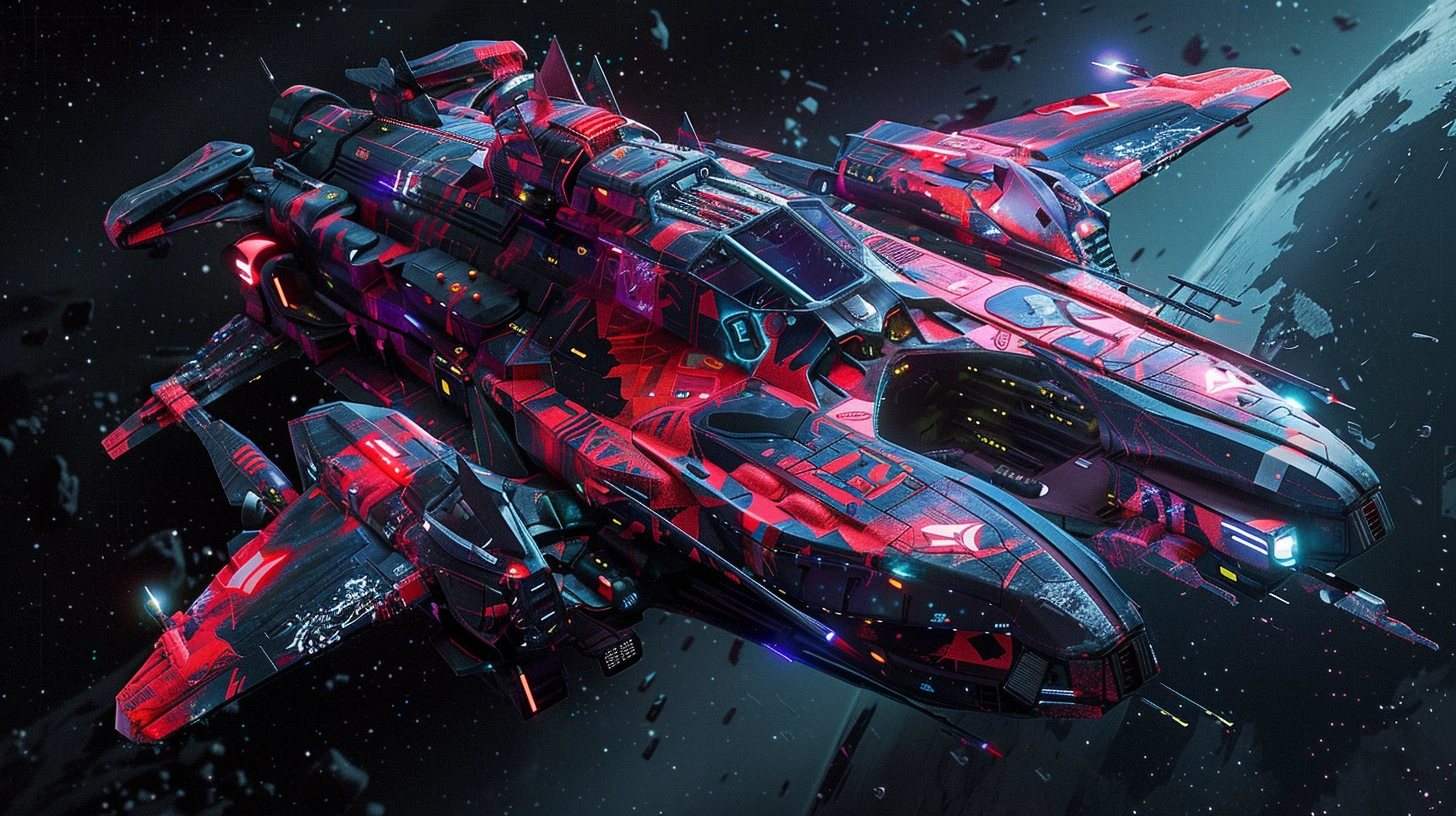
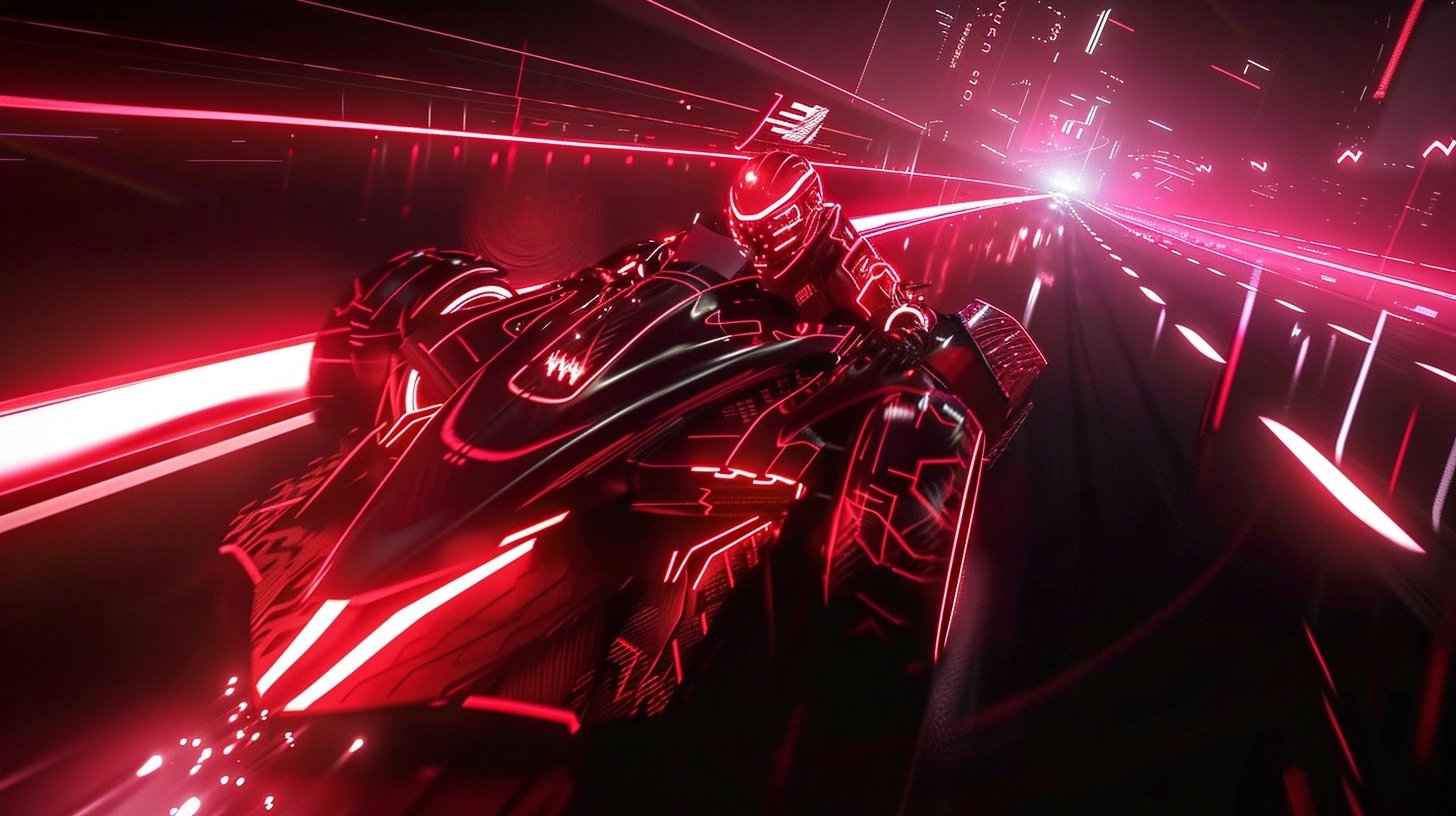
The core of Light Trail Rush is a multiplayer mode in which up to eight players compete on a constantly changing track. The defining feature is the absence of a predefined route: the leading player, known as the Tracer, creates the path in real time, leaving a glowing light trail behind their ship.
The remaining participants, called Chasers, must follow this route while attempting to overtake the leader and exploit their mistakes. This asymmetry of roles creates constant tension and forces players to adapt quickly to shifting conditions.
Gameplay is built around fast reactions, spatial awareness, and strategic planning. Mistakes are punished instantly, while smart positioning can provide an advantage even with lower top speed. As a result, every race feels distinct, and repeated matches remain engaging thanks to ever-changing scenarios and high replayability.
3. Blockchain Integration and the Light Trail Rush NFT Ecosystem
Blockchain mechanics in Light Trail Rush are implemented through an NFT ecosystem focused on digital ownership and personalization. These elements do not provide direct competitive advantages but strengthen player identity and their connection to the game world. This approach aligns with the play-to-own concept, where players gain true ownership of digital assets without economic pressure influencing gameplay.
In Light Trail Rush, NFTs are not positioned as profit-generating tools but as means of self-expression and long-term engagement. This preserves fair competition while extending the value of the gaming experience beyond the game itself.
- NFT ship skins — unique visual designs with verified ownership.
- Cosmetic effects — trails, auras, and visual elements that distinguish players.
- Collectible items — limited NFTs released for active participants and special events.
The use of Ethereum enables assets to be stored outside the game and freely traded on external marketplaces, creating additional value for collectors and dedicated players. Importantly, the developers intentionally separate the economy from competitive balance, reducing speculative pressure and making blockchain elements a natural part of the overall experience.
4. Key Features and Game Modes
Light Trail Rush offers a set of mechanics designed to deliver a rich competitive and social experience. These elements shape the game’s distinct identity and set it apart from other arcade action titles. A key strength of the project lies in its balanced combination of speed, competition, and visual expression.
Each gameplay mechanic serves a clear purpose, intensifying match tension and encouraging active interaction between players. Instead of relying on a linear set of modes, the developers focus on a flexible structure where player behavior directly influences race dynamics and outcomes. This creates the feeling of a living, constantly evolving game space.
| Element | Description | Impact on Gameplay |
|---|---|---|
| Dynamic track | The route is created in real time | Every match feels unique |
| PvP competitions | Up to 8 players per session | Constant competitive pressure |
| Customization | NFT and in-game elements | Personalization without pay-to-win |
In addition, the game features leaderboards, progression systems, and detailed statistics that allow players to analyze their performance. This increases engagement and motivates continuous skill improvement. The variety of modes and mechanics makes Light Trail Rush suitable both for short play sessions and for deeper competitive play.
5. Community, Development, and Conclusions
The community plays a central role in the development of Light Trail Rush. The developers actively communicate with players through Discord and social platforms, collecting feedback and suggestions. This approach allows updates to reflect real user expectations.
The project also evolves beyond the core game through universe expansion and additional interaction formats. Such initiatives strengthen the lore and help maintain long-term interest in the brand. Looking ahead, the team plans regular updates, balance improvements, and feature expansions, which builds trust and reduces the risk of audience burnout.
Light Trail Rush demonstrates a mature and balanced approach to blockchain gaming. By prioritizing high-quality gameplay and using blockchain as a value-enhancing tool, the project stands as a strong reference point for future games that aim to bridge Web3 technologies with traditional game design.











