

Lumiterra — a multiplayer open-world game that combines survival, farming, and combat mechanics. Players can explore territories, gather resources, build shelters, fight monsters and other players, and trade in-game assets.
The developers have implemented Ronin blockchain technology, enabling the integration of NFTs and tokens. The economic model is based on the Play-to-Earn (P2E) concept, allowing players to earn from their gameplay. Every item, character, and land plot is represented as an NFT, and in-game tokens can be exchanged for real assets. Lumiterra focuses on social interaction, where players can form guilds, establish trade alliances, and participate in world governance.
- Overview of Lumiterra
- Gameplay and Key Features
- Lumiterra's Economic Model and In-Game Tokens
- Blockchain Integration and NFT Use in the Game
- Social Aspects and Player Interaction in Lumiterra
- Conclusion
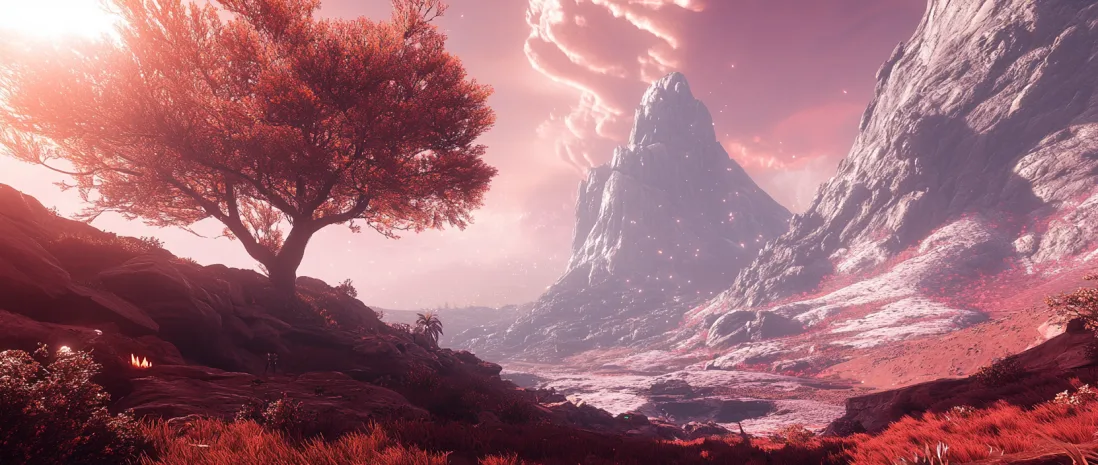
Overview of Lumiterra
Lumiterra is an open-world game offering vast opportunities for player interaction. The project combines survival, building, trading, and combat elements, creating a dynamic gaming environment. Each player can choose their path: develop a farm, become a trader, engage in battles, or explore unknown territories.
The game universe consists of various unique biomes, each with its own characteristics and resources. Players can establish settlements, hunt rare creatures, extract valuable materials, and participate in the game's economy.
Beyond traditional gameplay, Lumiterra allows players to earn from in-game assets. All in-game property is represented as NFTs, which can be bought, sold, and exchanged on marketplaces. This gives players full control over their resources and items.
The developers actively support the project, introducing new mechanics, events, and game modes. Lumiterra caters to both solo players and those who prefer cooperative interactions.
Gameplay and Key Features
The gameplay mechanics of Lumiterra revolve around several core areas: exploration, survival, building, trading, and combat. Players must adapt to changing conditions, gather resources, and develop strategies for successful progress. Each player chooses their own approach, and the in-game ecosystem maintains a balance between PvE and PvP activities.
Main gameplay mechanics:
- Exploration — travel across different biomes, discover rare resources, and complete quests.
- Survival — find food, build shelters, and protect yourself from threats.
- Crafting and Resource Gathering — create items, equipment, and weapons while improving your territory.
- Farming — grow crops, raise animals, and produce food supplies.
- Combat — dynamic PvE and PvP battles, settlement defense, tournaments, and raids.
Players can form groups, creating entire communities and influencing the power balance within the game world. Some prefer to develop their villages into trade hubs, while others focus on combat or resource extraction. Interaction between participants is also essential, as trading, alliances, and diplomacy can be key factors in achieving success.
Lumiterra's Economic Model and In-Game Tokens
Lumiterra features an economy based on in-game tokens and NFT assets. Every in-game item can be bought, sold, or traded on marketplaces, adding real value to player interactions. The economic model is designed to maintain stability in token prices, with their applications spanning from in-game purchases to staking and farming.
Players can earn tokens in various ways: by completing quests, participating in battles, selling resources, and trading NFT assets. To create a balanced economy, the developers have introduced multiple types of tokens, each serving a specific role.
| Token | Purpose |
|---|---|
| LUA | Primary in-game currency |
| LUAUSD | Stable token pegged to the US dollar |
| LUAG | Governance token used for voting and project management |
The stability of the in-game economy is maintained through inflation and demand control mechanisms. LUAUSD is pegged to the US dollar, helping to prevent sudden price fluctuations. The governance token LUAG allows players to participate in the project's development by voting on changes and new features.
The ability to exchange in-game assets for real money through decentralized exchanges makes Lumiterra not just a game but also a promising platform for investors and gamers.
Blockchain Integration and NFT Use in the Game
Lumiterra is built on the Ronin blockchain, which offers high transaction speeds and low fees. This makes in-game transactions fast and affordable, ensuring smooth interaction with digital assets.
Key advantages of the Ronin blockchain for Lumiterra:
- Instant transactions – high-speed confirmations, allowing players to quickly buy and sell assets.
- Low fees – Ronin significantly reduces transaction costs, making the in-game economy more accessible.
- Data transparency – all in-game transactions are recorded on the blockchain, preventing fraud and ensuring asset security.
- NFT compatibility – in-game items can be exchanged on external marketplaces, expanding trading opportunities.
NFT assets play a key role in the project. They represent characters, items, land plots, and other in-game objects. Owners of these assets can manage them as they wish: sell, upgrade, or use them for completing tasks.
Blockchain technology ensures transparency and security of transactions. This provides players with confidence in their asset safety while making the in-game economy decentralized and resistant to manipulation.
Social Aspects and Player Interaction in Lumiterra
Lumiterra emphasizes player interaction, creating an advanced social system. Players can join guilds, establish trade alliances, develop settlements together, and participate in large-scale battles. Collaborative activities provide significant advantages such as access to rare resources, territory protection, and economic influence.
Guilds play a crucial role in regional management, organizing expeditions, trade missions, and settlement defense. Diplomacy is also a key element, allowing players to form alliances, control resources, and regulate trade routes.
Lumiterra integrates a DAO system, enabling LUAG token holders to vote on project decisions and propose development changes. Timed in-game events and tournaments foster competition, rewarding participants with valuable prizes and recognition in the gaming community. These social mechanics create a dynamic ecosystem where every player can find their place.
Conclusion
Lumiterra combines RPG, strategy, and economic elements, creating a unique gaming world with blockchain-based earning opportunities. The use of Ronin ensures low fees and fast transactions, while in-game tokens and NFTs make the economy transparent and sustainable. Players can explore the world, build settlements, engage in battles, and trade resources. Social mechanics and the DAO system allow users to influence project development, making Lumiterra not just a game but a fully-fledged digital ecosystem.











