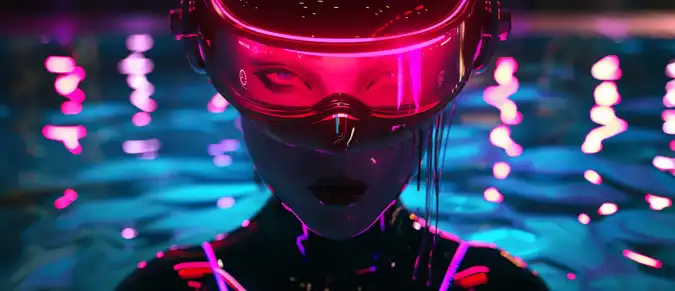

Pool Party is a social blockchain game focused on light, accessible gameplay, collective interaction, and a visually engaging digital leisure format. The project combines casual game mechanics, NFT elements, and Web3 infrastructure, emphasizing enjoyment and community engagement rather than complex economic models. Pool Party aims to expand the Web3 gaming audience by offering an intuitive and emotionally rich gaming experience.
Contents
- The Pool Party Concept and Project Positioning
- Gameplay and Social Interaction Mechanics
- NFT Assets and Visual Identity
- Economy and In-Game Elements
- Development Outlook and the Role of Pool Party in Web3
- Conclusion

1. The Pool Party Concept and Project Positioning
Pool Party is designed as a social Web3 game aimed at a mass audience, including users with no prior experience with blockchain technologies. The core concept is built around a digital space for relaxation, communication, and shared activities, where blockchain plays a supporting rather than dominant role. This approach significantly lowers the entry barrier and makes the game accessible to a broad range of players.
The project moves away from traditional GameFi models focused on earnings and instead offers a format where value is created through participation and interaction. This allows players to perceive Pool Party as an entertainment environment rather than a financial tool. As a result, a more stable and engaged community is formed.
Positioning Pool Party as a social platform sets it apart from many Web3 games. The project emphasizes emotions, visual style, and collective experience, aligning with current trends in digital entertainment. In addition, the game is designed for long-term user retention rather than short-term attention. This creates a foundation for sustainable audience growth, making Pool Party feel like a natural part of digital leisure rather than an experimental Web3 product.
2. Gameplay and Social Interaction Mechanics
The gameplay of Pool Party is built around short game sessions and active interaction between players. The mechanics focus on participation in events, competitions, and cooperative activities, creating a dynamic and lively game environment. This format is particularly well suited for casual and mobile gaming.
The social component plays a central role: players unite, compete, and interact in real time. This reduces the emphasis on individual progression and makes the experience more collective. As a result, players develop a sense of presence within a shared digital space.
Pool Party encourages regular activity and event participation rather than long-term resource accumulation. This helps maintain interest and reduces the risk of burnout. In addition, gameplay mechanics stimulate communication between participants. Cooperative activities strengthen engagement and social bonds, making the overall experience feel light and relaxing.
3. NFT Assets and Visual Identity
The visual style of Pool Party is one of the project’s defining features. A bright color palette and friendly design create a positive atmosphere and emphasize the game’s social nature. NFT elements are seamlessly integrated into the visual concept, enhancing player individuality.
- NFT characters with unique appearances.
- Collectible accessories and cosmetic items.
- Digital trophies for event participation.
- Avatar and in-game element customization.
- Memorable NFTs reflecting ecosystem activity.
In Pool Party, NFTs primarily serve a social and identity-driven function. They act as symbols of participation and activity rather than purely speculative assets. This approach reduces speculative pressure and makes digital assets part of the gameplay experience. Additionally, NFTs help build a visual narrative for each player, strengthening the sense of community belonging and making visual identity a core aspect of interaction.

4. Economy and In-Game Elements
The economic model of Pool Party is centered on player engagement and regular participation in in-game activities. The developers aim to maintain a balance between gameplay and economic components, avoiding complex or opaque systems. The economy supports the gameplay experience rather than replacing it.
| Element | Purpose | Role in the Game |
|---|---|---|
| In-game resources | Participation in events | Activity and progression |
| NFT assets | Customization and status | Social identity |
| Tokens | Ecosystem interaction | Connection between Web3 and gameplay |
The economy includes resource consumption mechanisms that prevent passive accumulation. This reduces pay-to-win effects and ensures fair competition. Economic elements are embedded into everyday gameplay, with player decisions affecting experience rather than just balance. As a result, the economy becomes part of the game’s social dynamics.
5. Development Outlook and the Role of Pool Party in Web3
Pool Party is being developed as a long-term social project with a focus on expanding content and gameplay formats. Future updates may include new modes, seasonal events, and integrations with other Web3 platforms. These additions enhance replayability and sustain community interest.
The project reflects a broader trend in Web3 gaming—the shift away from purely financial models toward social and entertainment-driven experiences. Pool Party demonstrates that blockchain can be integrated seamlessly without complicating gameplay.
Over time, Pool Party may occupy a niche between traditional casual games and Web3 projects, attracting a new audience. This positions the game as a meaningful step in the evolution of mass-market blockchain gaming. Additionally, the project can serve as a bridge between Web2 and Web3 users, increasing its scalability potential.
6. Conclusion
Pool Party is an example of a blockchain game focused on social interaction and enjoyment rather than financial incentives. NFTs and tokens are used as tools for engagement and self-expression, not as the primary goal of gameplay. With its simple mechanics, vibrant visual style, and emphasis on collective experience, Pool Party offers an accessible model of Web3 entertainment. In the long term, the project has the potential to attract a broad audience and contribute to the evolution of social gaming on the blockchain.
An additional advantage of the game is its focus on mainstream users rather than only crypto enthusiasts. This approach lowers entry barriers and facilitates the transition from Web2 to Web3 environments. Pool Party shows how blockchain can be organically integrated into entertainment formats without complicating the user experience. As a result, the project has the potential to become a benchmark for sustainable and user-friendly next-generation Web3 games.











