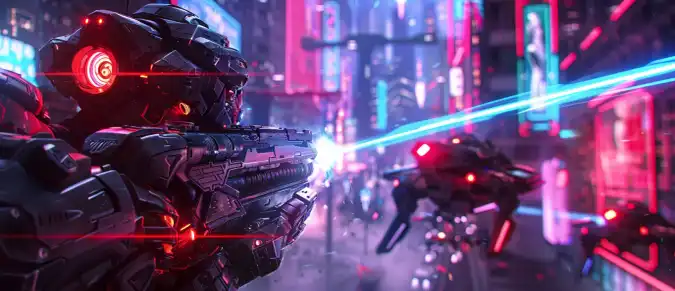

The Red One is an ambitious project that combines classic gameplay elements with the latest Web3 technologies. The developers aim to create a unique ecosystem where players not only progress through levels but also truly own digital assets. The project blends dynamic gameplay, a well-thought-out economy, and a decentralized financial system, offering players a new level of engagement.
Table of Contents

1. What is The Red One?
The Red One is a multiplayer blockchain game that combines tactical strategy and competitive action. Set in a futuristic world where corporations and factions battle for resources, players take on the role of elite operatives. They must engage in intense combat while also developing long-term strategic plans.
One of the key features of The Red One is its Play-to-Own mechanic. All in-game items—such as weapons, gear, and characters—are player-owned NFTs. These assets can be used, upgraded, traded, or sold, creating a real digital economy.
2. Gameplay and Mechanics
The Red One offers a wide range of gameplay mechanics, making the experience engaging and dynamic. Developers have focused on creating depth in gameplay by combining tactical battles, open-world exploration, character customization, and player interactions. With blockchain integration, in-game assets gain real-world value, and player choices have long-term consequences on their characters and the world.
Core gameplay elements include:
- Tactical Combat: Players fight in teams using various weapons and abilities, requiring strategic planning for every battle.
- Open World and Quests: The Red One features a vast world filled with missions, random events, and hidden zones to explore.
- Customization System: Players can modify their characters' appearances, upgrade equipment, and enhance their weapons.
- Guilds and Alliances: Creating communities and alliances is crucial, allowing players to team up for challenging missions.
Every decision a player makes influences their journey within The Red One. The game’s decision-making system ensures a nonlinear experience where even minor choices can lead to unexpected consequences. This makes the game more than just entertainment—it's an immersive adventure full of challenges and strategic opportunities.
3. Blockchain Integration
The integration of blockchain technology takes The Red One to a new level. Thanks to a decentralized system, players have full ownership of their in-game assets, represented as NFTs. This means that unique items, equipment, and even characters truly belong to the players, rather than being stored on developers' servers. This model gives users greater freedom, allowing them to trade, sell, or enhance their assets as they see fit.
Key blockchain advantages:
| Advantage | Description |
|---|---|
| Transparency and Security | All transactions are recorded on the blockchain, eliminating fraud. |
| Ownership of Digital Assets | Players can earn and trade unique items on NFT marketplaces. |
| Play-to-Own | Unlike traditional games, in-game items in The Red One can generate real income. |
Blockchain makes the in-game economy independent and decentralized, attracting players looking for new opportunities in the GameFi sector. This transforms The Red One into more than just a game—it becomes a thriving ecosystem where users can entertain themselves while also earning and contributing to the game's global community.
4. Economic Model
The Red One utilizes a well-balanced economic model based on blockchain and its own cryptocurrency. Unlike traditional games, where in-game items and resources belong to the developers, The Red One gives players full ownership of their assets. This approach makes the in-game economy open, decentralized, and beneficial for both active players and investors.
The game’s economy revolves around tokenomics, ensuring market stability, rewarding users, and fostering the ecosystem's growth. Players can earn tokens through battles, quests, marketplace trading, and item creation. This system transforms The Red One into both an engaging game and a platform for real financial opportunities.
The economic model includes:
- In-game currency: Tokens used for purchasing weapons, armor, characters, upgrades, and other assets.
- NFT Marketplace: A dedicated trading platform where players can buy, sell, and exchange unique in-game items represented as NFTs.
- Reward System: Players earn additional rewards by participating in tournaments, competitions, and in-game events.
This flexible economic model allows users to decide how to interact with their assets—either using them for gameplay enhancements or exchanging them for real-world value. This approach makes The Red One not just an entertainment platform but a promising Play-to-Earn ecosystem, attracting gamers, crypto enthusiasts, investors, and collectors alike.
5. Conclusion
The Red One is more than just a game—it's an innovative blockchain project combining dynamic gameplay, NFT assets, and a sophisticated economy. Unlike traditional games, users here have full ownership of their in-game items and can monetize their achievements.
Transparency, fair reward distribution, and active community support make The Red One a promising project in the GameFi industry. Regular updates and new mechanics continuously expand player opportunities, attracting both gamers and investors.
If you're looking to experience a new gaming format and leverage blockchain opportunities, The Red One is a game worth exploring.











