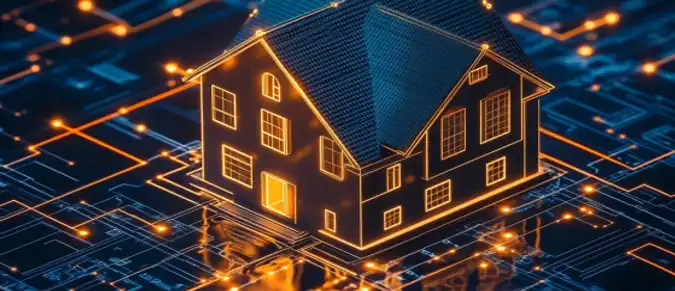

Blockchain and decentralized applications are becoming key technologies that change traditional approaches to real estate transactions. These innovations allow market participants to make deals faster, more securely, and transparently. It is essential to understand how dApps work in real estate and what benefits they offer.
Content:
- Buying Real Estate through dApps
- Selling Real Estate via Blockchain
- Renting Real Estate and Smart Contracts
- Advantages and Challenges of Using dApps in Real Estate
- Conclusion

Buying Real Estate through dApps
Decentralized applications play a crucial role in the real estate purchasing process by allowing market participants to interact without intermediaries. dApps facilitate transactions by avoiding lengthy legal procedures and reducing the amount of necessary paperwork. Smart contracts embedded in the blockchain automatically enforce the terms of the deal, eliminating the need for third-party trust.
Purchasing real estate through dApps ensures a high level of security and transparency. Each stage of the transaction is recorded on the blockchain, making it possible to track all operations and preventing fraud. For example, platforms like Propy have already successfully applied blockchain and dApps for real estate sales and purchases in various countries.
Selling Real Estate via Blockchain
Using dApps for selling real estate allows sellers to reach a larger audience and minimize costs. Through decentralized applications, the sales process can be automated, including signing documents and transferring ownership. This reduces the need for agents and notaries, leading to cost savings.
dApps also provide transparency in the transaction: buyers and sellers can verify title documents, property information, and other essential data, minimizing risks and making the process more reliable. An example of such a platform is Ubitquity, which allows users to create and manage digital real estate assets on the blockchain.
Renting Real Estate and Smart Contracts
Renting real estate through dApps and smart contracts offers landlords and tenants new opportunities for entering into secure and transparent agreements. Smart contracts automatically enforce rental terms, including payment and transfer of rights, eliminating the need for intermediaries.
Transparency and immutability of data on the blockchain allow landlords to be confident in the fulfillment of rental terms, and tenants in the protection of their rights. Additionally, dApps automate the process of finding tenants and managing rentals, significantly simplifying property management.
Advantages and Challenges of Using dApps in Real Estate
The main advantages of using dApps in real estate include:
- Transparency: all operations are recorded on the blockchain and available for verification.
- Security: data is protected from changes and fraud.
- Speed: transactions are concluded faster due to process automation.
- Cost Reduction: the absence of intermediaries reduces costs.
However, the use of dApps in real estate faces several challenges. For example, the need for new technologies and changes in legal procedures may hinder their widespread adoption. Additionally, there are questions about the regulation of such operations and consumer protection.
Conclusion
dApps in real estate offer numerous advantages, including transparency, security, and transaction efficiency. However, to achieve mass adoption, several legal and technical issues must be addressed. In the coming years, we can expect further development and adoption of dApps in the real estate sector, leading to significant changes in the market.











