



CelerNetwork introduces a best-in-class token bridge experience with high user liquidity, highly efficient and easy-to-use liquidity management.
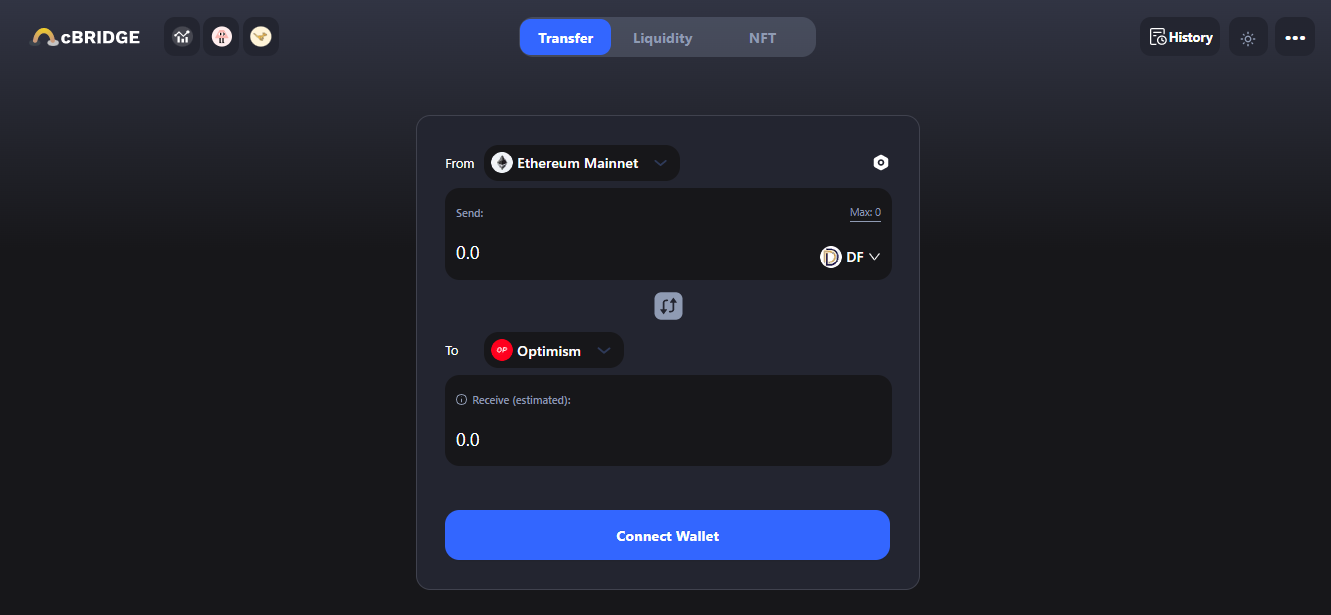
Description of the CelerNetwork platform
CelerNetwork — a multi-chain network that enables instant, low-cost and any transfer of value within and between different blockchains such as Ethereum and Polkadot, as well as various layer 2 scaling solutions such as Optimistic Rollup, ZK Rollup and sidechains.
Why should you trust this project:
| Deep liquidity | Supports much larger transfer sizes. |
| Easier to use | Offer the ability to reduce two-step operations to a single click. |
| Easy liquidity provider (LP) experience | No minting of synthetic tokens, no AMM pool with a volatile token pair, no high intermittent losses, no complicated rebalancing. Simply add liquidity to the chain of your choice and start earning commissions. |
The Celer State Guardian Network (SGN) was an important part of the Celer Network architecture. In a layer 2 scaling architecture, Celer SGN is a dedicated Proof-of-Stake (PoS) chain that serves the purpose of monitoring L1 transactions, associated with L2 state, and reliably relaying layer 2 information back to layer 1 when needed.
CELR holders can stake their tokens in SGN by becoming a validator or by delegation and actively provide the aforementioned services. SGN members earn staking rewards as well as commissions in exchange for the services they help to provide.
NFT bridge
The NFT bridge fee is charged in native gas token when the bridge function is called. The NFT bridge fee consists of two parts. Base fee: used to cover the cost of gas for NFT minting in the destination chain. Message transfer fee: paid to the Celer IM system for passing a message along the chain. The fee is proportional to the size of the message, sent through the chains.
Celer cBridge offers two bridge models, xAsset and xLiquidity, with corresponding bridge speed models. For xAsset, the bridge speed is always 1 because tokens, minted on the destination chain, are pegged to tokens, locked on the source chain. For xLiquidity, the bridge uses the AMM StableSwap curve to calculate the bridge rate, which ensures that the bridge rate is always close to or equal to 1, unless there is a significant liquidity imbalance between the two pools.