



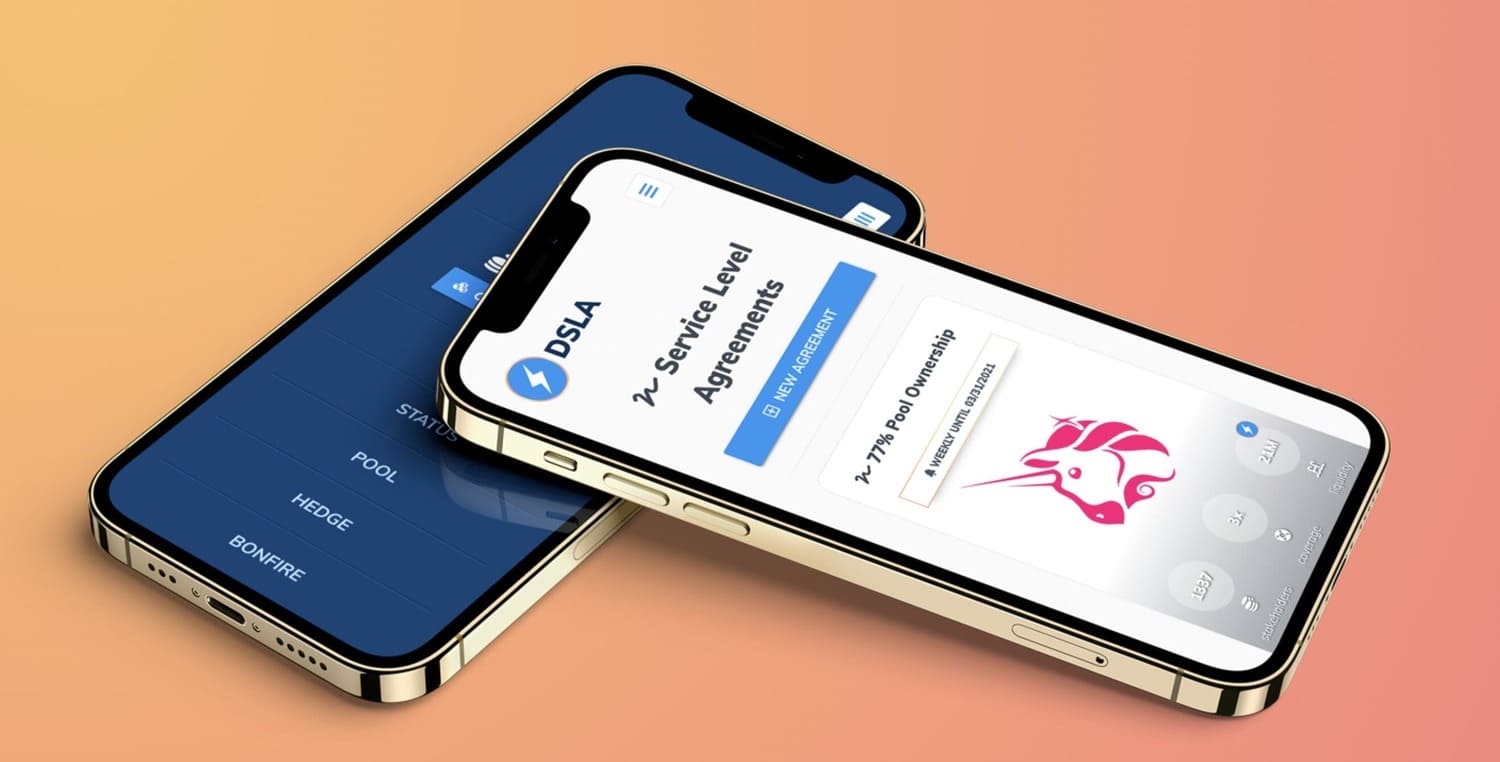
DSLA adds built-in risk management and parametric insurance capabilities to your applications and networks. It is a risk management framework that allows infrastructure developers and operators to reduce the exposure of their users to delays, interruptions and financial loss through the use of self-enforcing service level agreements, bonus mismatch insurance policies and crowdfunding liquidity pools.
Contents:
How to work with DSLA?
When the monitored execution of a service remains within the agreement thresholds, the liquidity providers are eligible to claim a bonus from the agreement's liquidity pool. Conversely, when the agreement is violated due to poor performance of the service, policyholders of DSLA contracts are entitled to claim compensation from the liquidity pool of the agreement. Why should you choose naming conventions for this protocol:
| Proof of | All supplier commitments for performance, reliability and capital can be fully verified on a safe network, decentralized ledger. |
| Protection | Anyone can freely pool liquidity or hedge against market and infrastructure risks in a peer-to-peer market. |
Moreover, indicators for parametric insurance go to policyholders, in accordance with the controlled performance of services.
Contracts allow digital art investors and crypto liquidity providers to hedge against volatile losses in non-funded tokens (NFT), Automated Market Maker (AMM) and other DeFi protocols. There are also plans to build support for Uniswap and Opensea later this year.
Additional information
The company is creating the Agnos DSLA protocol on Ethereum and the Maxima DSLA protocol on other blockchain networks, convenient for developers. Keep an eye on RoadMap and chats for the next plans. For more information follow the links:
You can find the necessary documents here.