

With the help of NFTs, the Museum of Modern Art (MoMA) has presented a brand-new interactive digital initiative that invites users to investigate art production on the blockchain.
The "MoMA Postcard" project, which is set to go live later this month, lets users send digital chain letters with 15 blank "stamps" to partners of their choosing over the blockchain. With each "stamp" reflecting a distinct theme, these 15 individuals working together on a single postcard will eventually create a collective artwork.
With "MoMA Postcard," MoMA hopes to give users a fun and innovative method to play with NFTs and blockchain technology while creating relationships and conversations within the online community for digital art. The Tezos blockchain will be used to mint the NFTs produced as a result of this endeavor.
The program was launched by MoMA by inviting 15 digital artists to work together on a series named "First 15." Unique prompts for these artists' postcards were provided. For instance, the Madrid-based art duo Operator requested that each artist create a stamp that would reflect the "Number of hearts you've broken (romantic love or not)," using "Black pixels, White background, Numeric characters only."
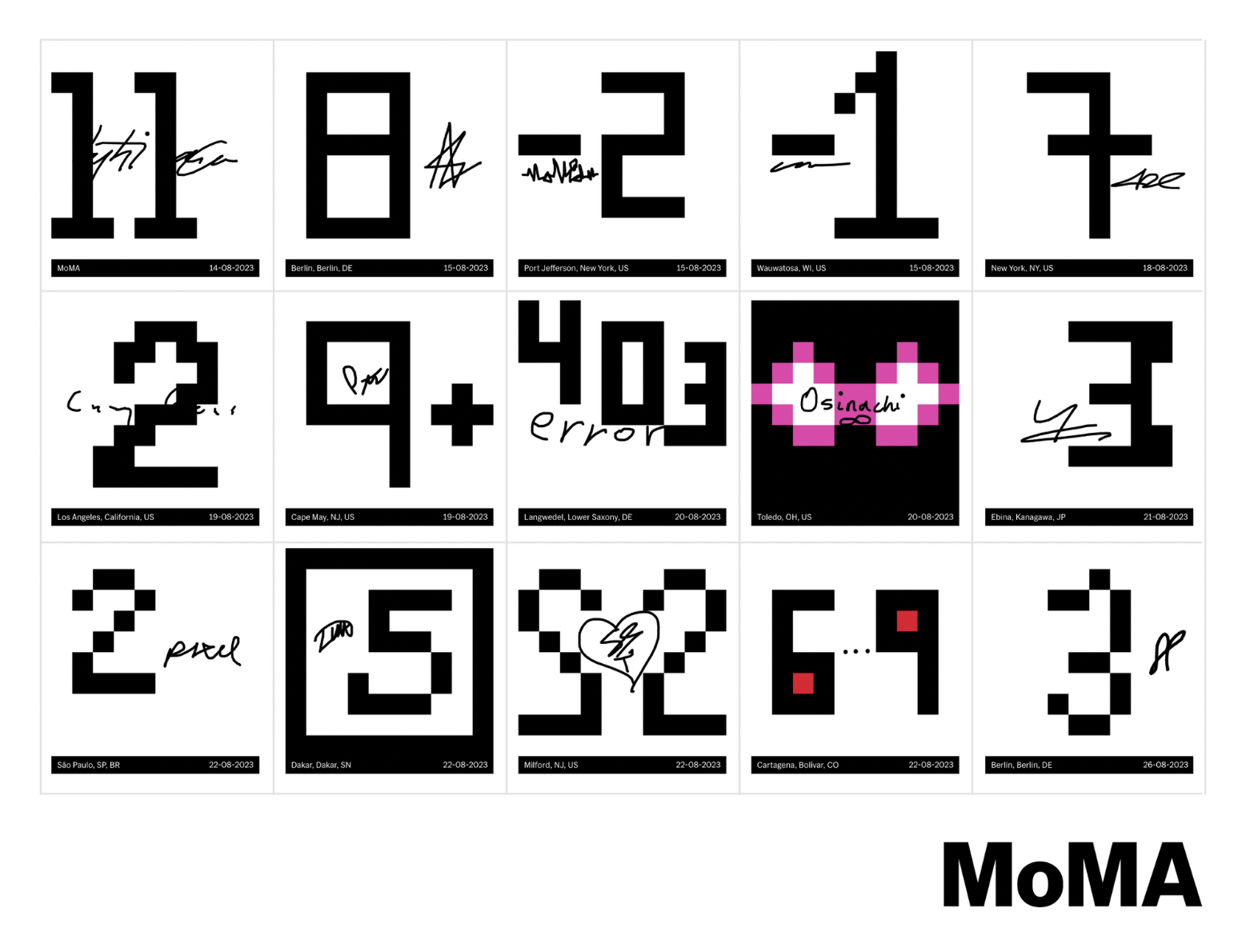
The group was asked to "Create a pixel goose" by Dmitri Cherniak, who is best known for his generative digital artwork "The Goose," which sold for $6.2 million at a Sotheby's auction in June.
In an official statement, MoMA said, "This is an opportunity to experiment with NFTs and blockchain technology in an approachable and creative way that we hope will inspire connections and conversations within the world of digital art."
The project is a reflection of MoMA's ongoing fascination with blockchain technology and the online art community. The museum provides free NFT claims to visitors and has previously sold NFTs in partnership with digital artist Refik Anadol. A year-long agreement between the Musée d'Orsay and the Tezos Foundation was also announced last week. This would let the museum to incorporate blockchain-backed artworks and digital artists into its collections and displays. Other significant art institutions, such the Centre Pompidou and the Los Angeles County Museum of Art (LACMA), also provide programs of a similar nature.











