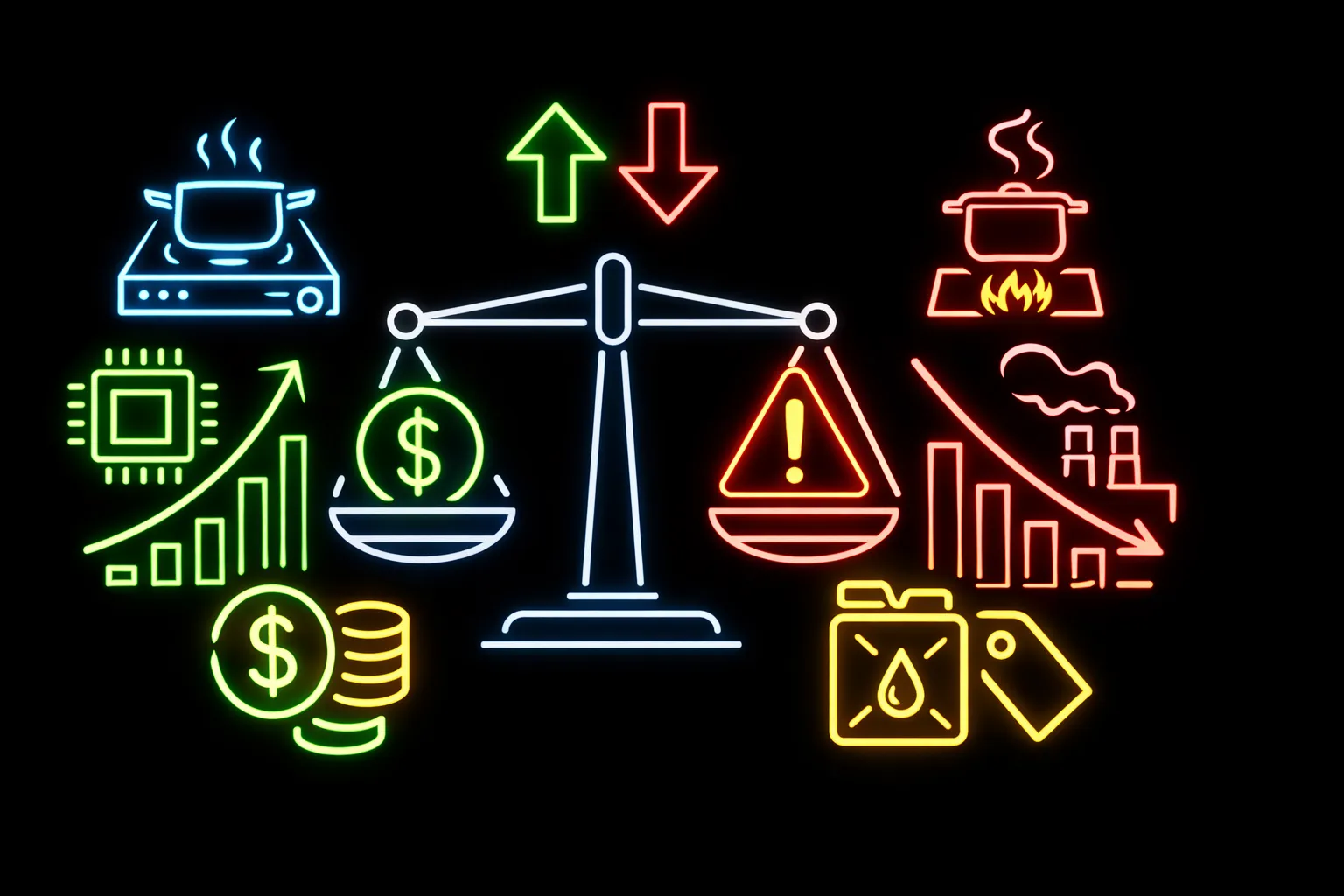

At a recent media roundtable in Lagos, industry experts gathered to discuss the pressing issues confronting the clean cooking sector in Nigeria. The focus was on the affordability of clean cookstoves and the impact of inconsistent fiscal policies on their adoption. Based on the data provided in the document, these challenges are critical to ensuring a sustainable future for clean cooking solutions in the region.
Challenges Facing Clean Cookstoves
Speakers emphasized that despite the long-term savings associated with clean cookstoves, the current import duties and VAT charges hinder their competitiveness against traditional fuels. Traditional fuels benefit from established subsidy structures, making them more appealing to consumers.
Proposed Solutions for Enhanced Accessibility
Experts proposed that recognizing clean cookstoves as essential household goods could pave the way for tax exemptions. Such a move would not only enhance affordability but also increase accessibility for consumers, ultimately promoting a shift towards cleaner cooking solutions in Nigeria.
The recent discussions on clean cooking solutions in Nigeria highlight the need for supportive policies, similar to the newly announced 45Z Clean Fuel Tax Credit in the US, aimed at boosting domestic soybean oil production.