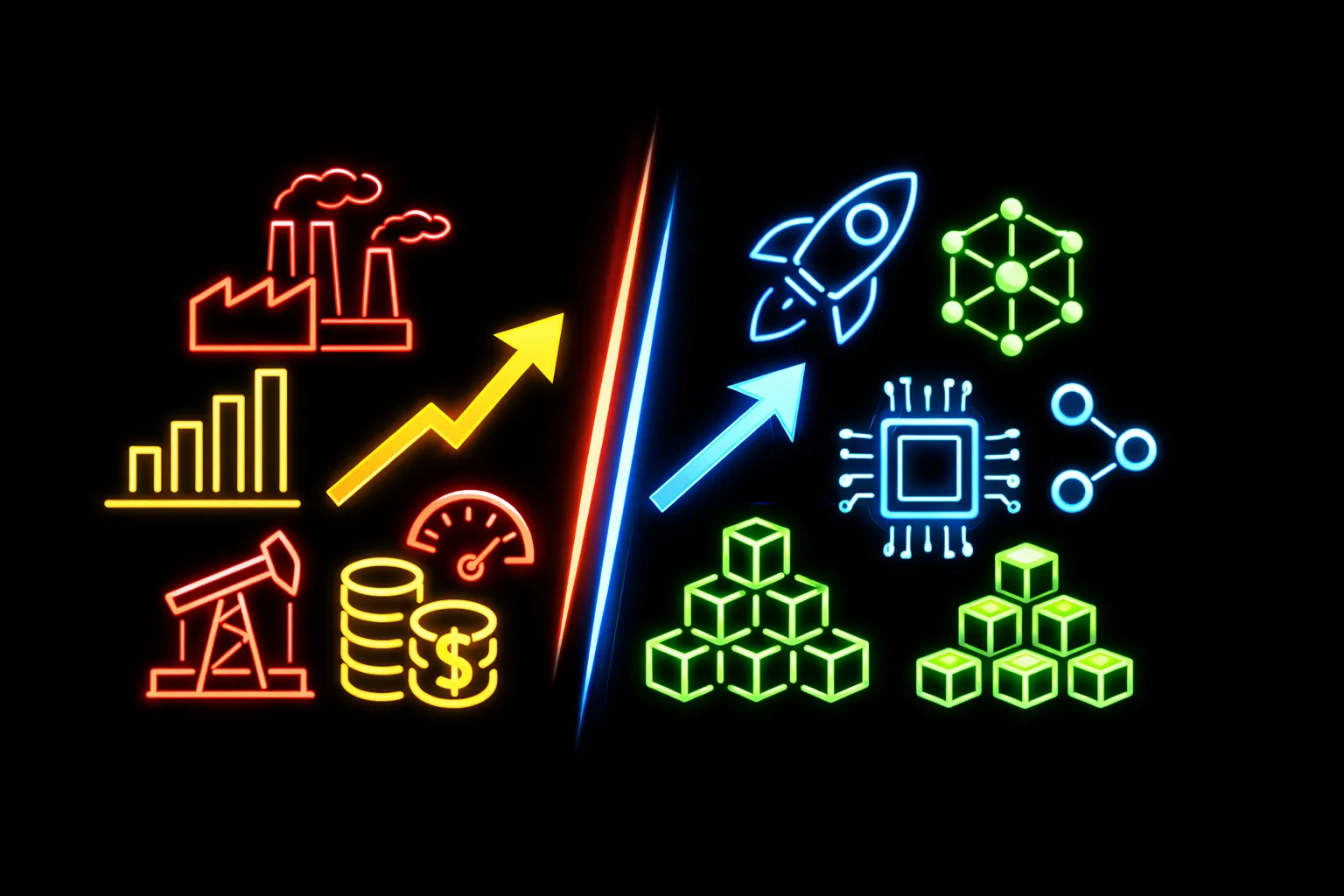

The rivalry between Bitcoin and Ethereum remains a hot topic in the cryptocurrency community, as both networks adopt distinct philosophies in their design and functionality. According to the results published in the material, this ongoing debate sheds light on the strengths and weaknesses of each platform, influencing investor sentiment and market dynamics.
Bitcoin: Stability and Security
Bitcoin, the first and most recognized cryptocurrency, emphasizes stability and security. Its development is centered around maintaining a robust protocol that relies on proof-of-work consensus, ensuring a secure and decentralized network. Additionally, Bitcoin's fixed supply schedule of 21 million coins is designed to create scarcity, which many believe contributes to its value proposition as 'digital gold'.
Ethereum: Programmability and Flexibility
In contrast, Ethereum has carved out a niche by prioritizing programmability and flexibility. The platform supports smart contracts and decentralized applications (dApps), allowing developers to build a wide range of functionalities on its blockchain. Regular upgrades, such as the transition to Ethereum 2.0, aim to enhance scalability and reduce energy consumption, positioning Ethereum as a versatile platform for innovation in the blockchain space.
Diverging Strategies and Future Trajectories
This fundamental divergence in approach not only influences the technical capabilities of each network but also shapes ongoing discussions about scalability and security within the broader cryptocurrency market. As both Bitcoin and Ethereum continue to evolve, their differing strategies will likely play a crucial role in determining their future trajectories.
Nick Szabo recently reflected on the early experiments that paved the way for Bitcoin's creation, highlighting the historical context behind its development. This discussion contrasts with the ongoing rivalry between Bitcoin and Ethereum, emphasizing the foundational principles of decentralization. For more details, see read more.











