
Decentralized Financial Systems (DeFi) offer solutions that could make traditional financial intermediaries obsolete. However, this system also places significant responsibility for securing funds on users and platforms. This article examines how Artificial Intelligence (AI) can enhance DeFi security.
Understanding DeFi Security Challenges
The basic premise of DeFi is to eliminate intermediaries in financial transactions using modern technologies. However, the decentralized nature of DeFi platforms introduces significant security risks, which can be both platform-borne and user-based.
Software/code vulnerabilities, such as bugs in smart contracts, are one of the primary security risks. For example, malicious actors exploited a flaw in The DAO’s smart contracts, resulting in the theft of millions of dollars in 2016. Other risks include flash loan attacks, oracle manipulation, and cross-chain vulnerabilities.
Liquidity risks are also crucial. DeFi relies heavily on liquidity pools, which are vulnerable to hacking and theft. User errors, such as sending funds to incorrect addresses or interacting with malicious contracts, are another significant threat.
How AI Can Make DeFi Secure and Safe
AI can be a powerful ally in securing DeFi platforms, enhancing the ecosystem's robustness and reliability for both protocol providers and users.
From the protocols' standpoint, AI offers the following capabilities:
1. **Advanced Threat Detection and Prevention**: AI-powered systems can monitor network traffic and transaction patterns in real-time, identifying anomalies that may indicate potential attacks.
2. **Fraud Detection and Prevention**: AI significantly enhances fraud detection and prevention in DeFi platforms by identifying suspicious transaction patterns for further investigation.
3. **Smart Contract Optimization**: AI can automate the auditing process of smart contracts, reducing human error and identifying vulnerabilities before deployment.
4. **Regulatory Compliance**: AI helps automate compliance processes such as KYC and AML.
From the users' perspective, AI offers the following benefits:
1. **Decision-Making Support**: AI provides users with real-time market analysis, personalized risk assessments, and automated portfolio rebalancing recommendations.
2. **Personalized Security Recommendations**: AI can offer users tailored security advice based on their activity and risk profiles.
3. **Automated Security Operations**: AI can automatically execute stop-loss orders and manage key recovery processes.
Examples of How AI is Currently Used For DeFi Security
Here are some examples of how AI is already being used to enhance DeFi security:
1. **Chainlink**: Uses AI to aggregate and verify data from various sources, helping to prevent potential threats.
 Source: [Chainlink](https://chain.link)
2. **Chainalysis**: Applies AI to analyze transactions and detect suspicious activities related to money laundering and terrorism financing.
 Source: [Chainalysis](https://www.chainalysis.com)
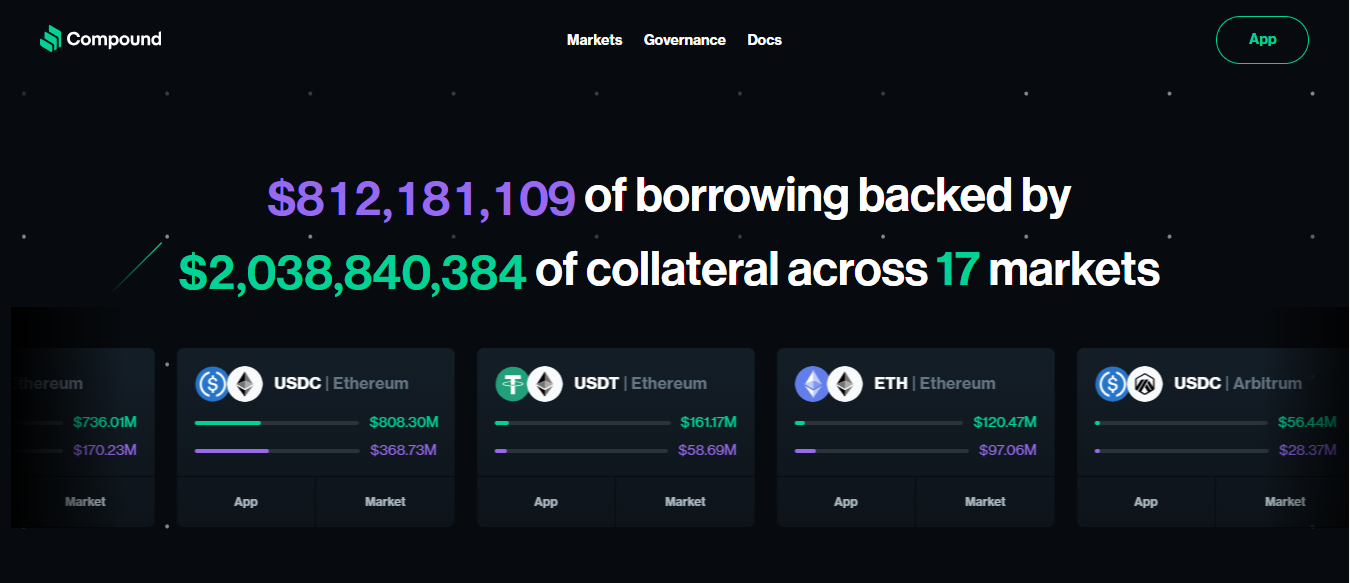
3. **Compound Finance**: Uses AI to optimize yield strategies and manage risks, and to assess users' creditworthiness.
 Source: [Compound Finance](https://compound.finance)
4. **Aave**: Applies AI to analyze market trends and assess users' creditworthiness.
 Source: [Aave](https://aave.com)
5. **Uniswap**: Uses AI to optimize liquidity and improve trading efficiency.
 Source: [Uniswap](https://uniswap.org)
Artificial Intelligence holds significant potential to enhance security and reliability in the DeFi sector. However, integrating AI with DeFi faces technical, regulatory, and financial challenges that need to be addressed for full potential realization.











