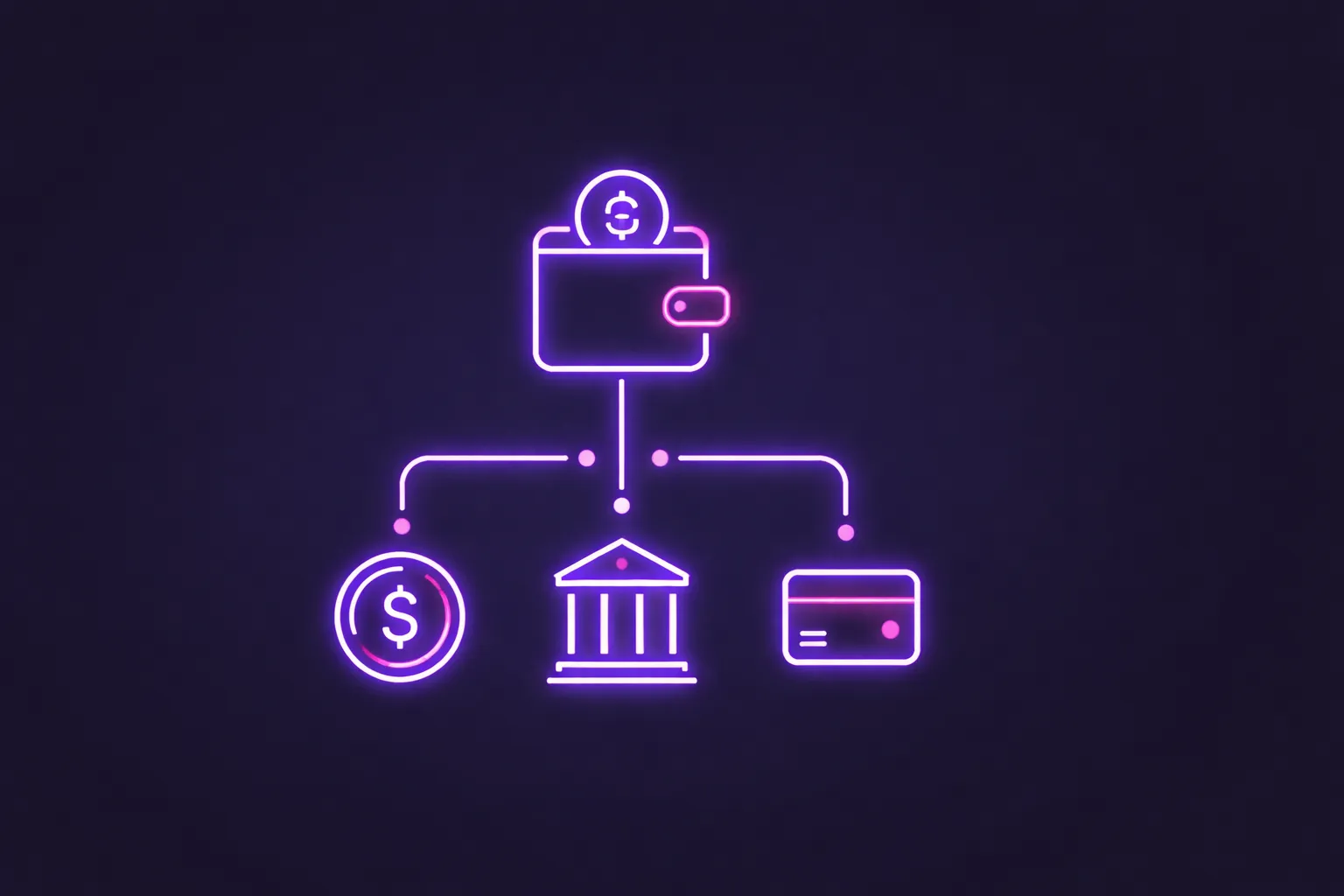

As the Web3 industry continues to evolve, the methods of salary payments are becoming increasingly diverse. According to the official information, this article explores the various options available, including fiat currency, stablecoins, and project tokens, while also addressing the legal implications associated with each method.
Salary Payments in the Web3 Landscape
In the rapidly changing landscape of Web3, salary payments can be made through traditional fiat currencies, which offer stability but may lack the flexibility that digital assets provide. On the other hand, stablecoins present a middle ground, combining the benefits of cryptocurrency with the stability of traditional currencies, making them an attractive option for many employers and employees alike.
Challenges of Using Project Tokens
However, the use of project tokens as a form of salary payment introduces a unique set of legal challenges. These tokens can fluctuate significantly in value, posing risks for both parties involved. Practitioners must navigate the complexities of regulatory compliance and tax implications when opting for this payment method.
Guidance for Industry Professionals
This article serves as a guide for industry professionals, highlighting the importance of understanding the legal landscape surrounding salary payments in the Web3 sector. By being informed about the potential risks and complexities, employers and employees can make more educated decisions regarding their compensation methods.
In a notable development, Standard Chartered Bank has partnered with Ant International to launch a blockchain-based tokenized deposit solution, enhancing liquidity management for businesses. This initiative contrasts with the evolving salary payment methods discussed in the previous article. For more details, read more.











