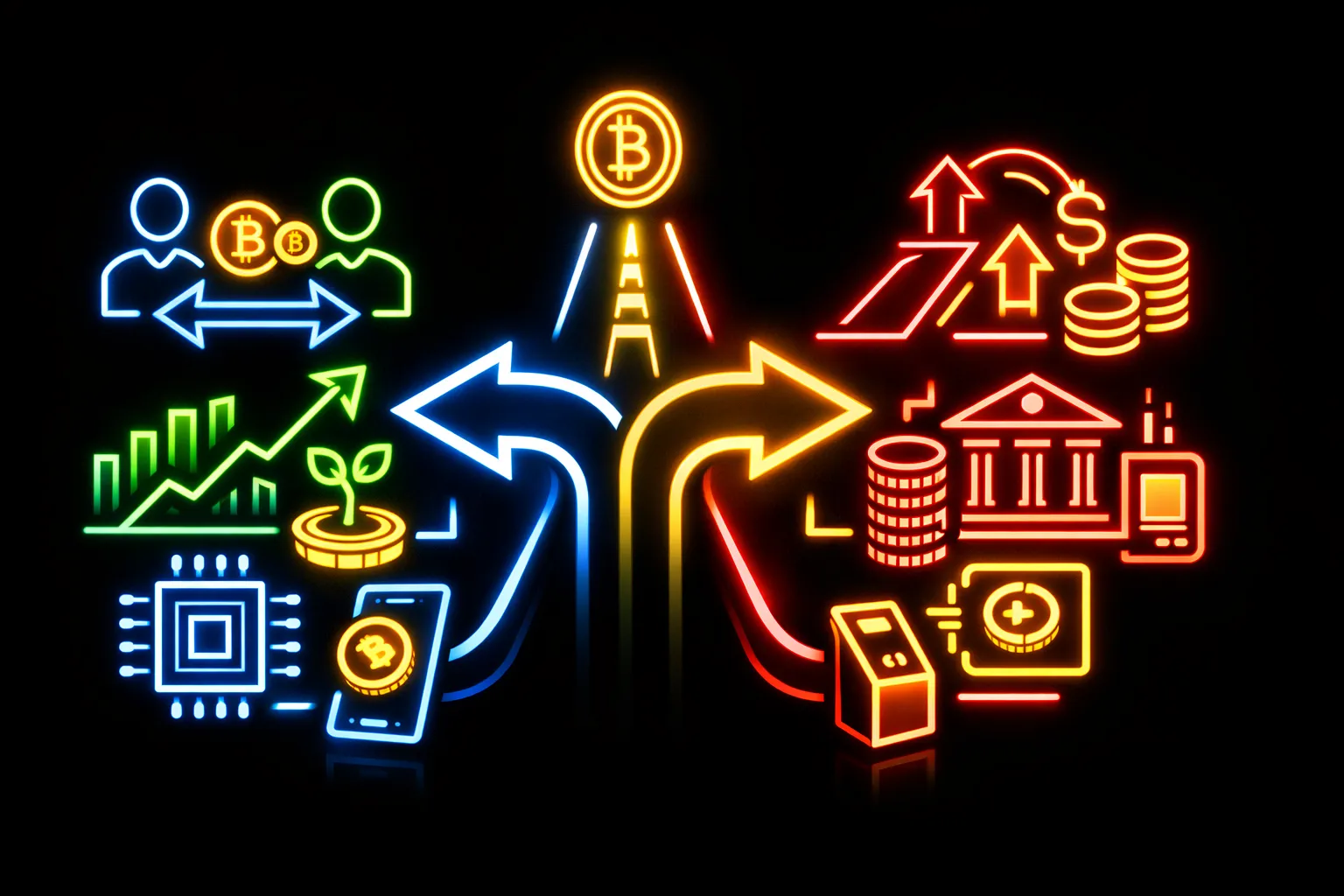

As the cryptocurrency landscape continues to evolve, consumers are increasingly confronted with the decision of choosing between Peer-to-Peer (P2P) services and On-Ramp solutions. Each option presents unique advantages and challenges, making it essential for users to understand the implications of their choice. The source notes that these factors can significantly impact user experience and security.
P2P Services: Direct Trading and Its Benefits
P2P services allow users to trade cryptocurrencies directly with one another, often resulting in lower fees and greater privacy. This decentralized model empowers consumers to negotiate terms and prices, potentially leading to significant cost savings. However, the lack of regulation can expose users to risks, such as fraud and market volatility, which may deter some from fully embracing this method.
On-Ramp Services: A Structured Approach to Transactions
On-Ramp services, on the other hand, offer a more structured approach to cryptocurrency transactions. These platforms typically provide enhanced security measures and legal compliance, ensuring that users can trade with confidence. While the convenience and protection come at a higher cost, many consumers prioritize these factors, especially those new to the crypto space.
Choosing Between P2P and On-Ramp Services
Ultimately, the choice between P2P and On-Ramp services hinges on individual preferences for cost, security, and ease of use.
Recently, Stacks has emerged as a key layer-2 solution for Bitcoin, enhancing its capabilities and addressing scalability issues. For more details, you can read more.











