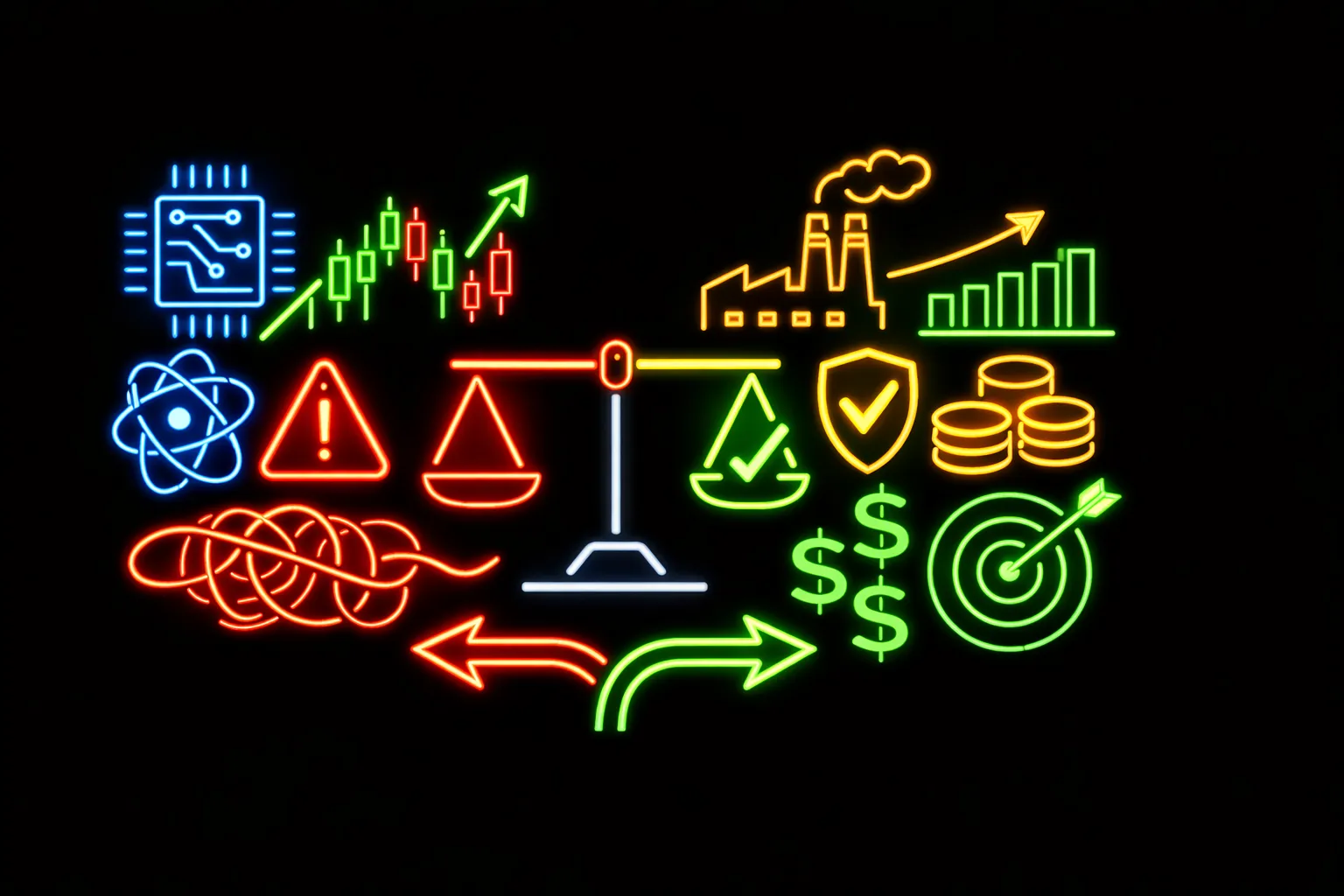

In the ever-evolving landscape of finance, high-level teams face a critical challenge: balancing the sophistication of complex modeling with the stringent governance needed to uphold its integrity. This tension is pivotal as organizations strive for enhanced forecasting accuracy amidst market unpredictability. The publication provides the following information: effective governance frameworks can significantly improve the reliability of financial models.
Complexity of Financial Models
Advanced financial models are designed to reflect intricate market behaviors, providing valuable insights for decision-making. However, their complexity can also lead to vulnerabilities, making it essential for organizations to implement robust governance frameworks. Without proper oversight, the reliability of these models can be compromised, potentially leading to misguided strategies.
Importance of System Integration
To navigate this challenge, companies are increasingly recognizing the importance of investing in system integration. By ensuring that various financial systems work cohesively, organizations can enhance the accuracy of their models while maintaining the necessary governance standards. This dual approach not only improves forecasting capabilities but also fortifies the overall financial strategy against potential risks.
As organizations strive for better governance in financial modeling, the rise of Investment DAOs presents unique challenges. These decentralized entities require careful navigation of risks, including smart contract failures and poor investment decisions. For more insights, see Investment DAOs.











