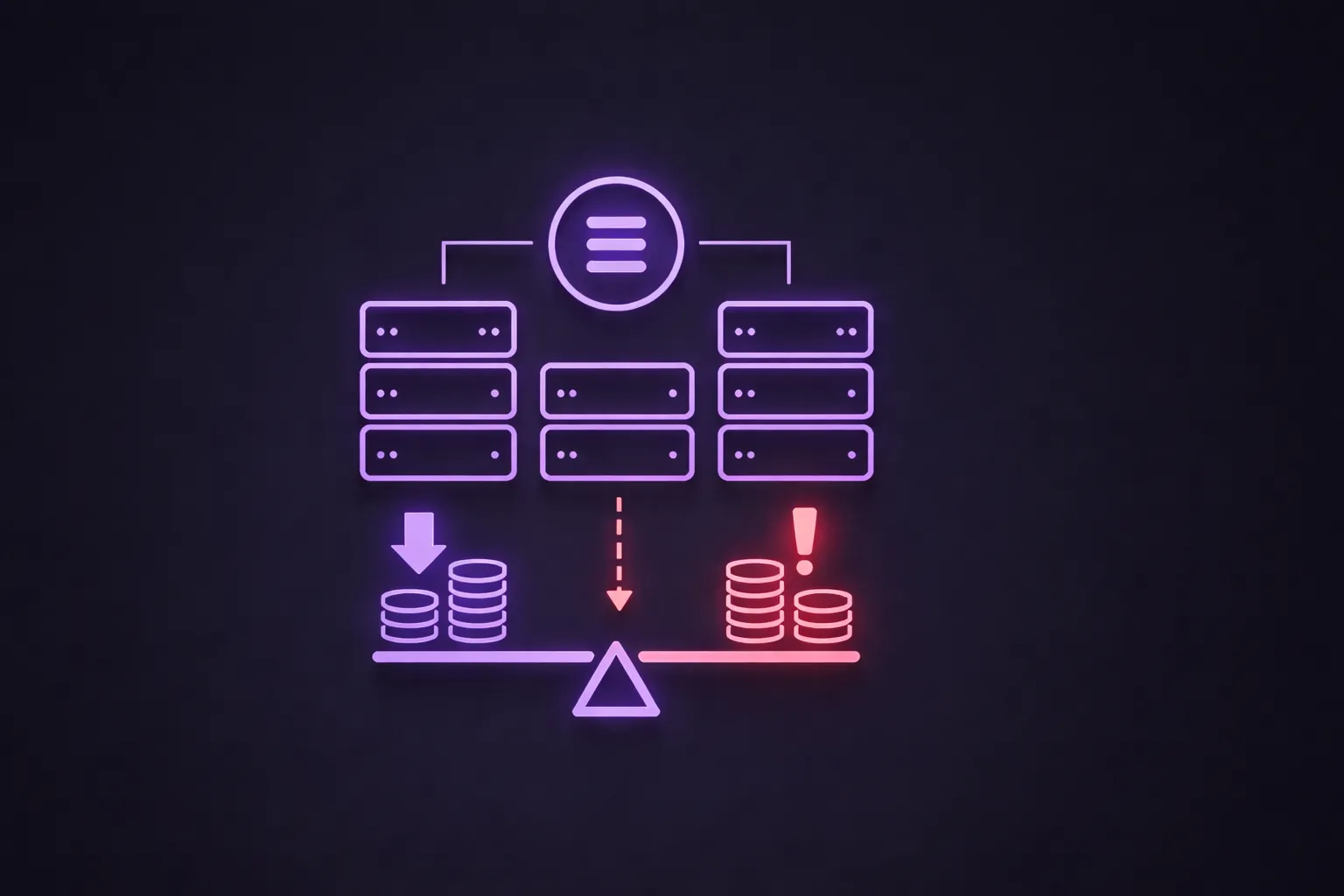

The Solana network, known for its high throughput and low transaction costs, is facing significant challenges despite generating an impressive $14 billion in annual revenue. The economic structure of the network has led to a troubling situation for its validators, and the material draws attention to the fact that this raises questions about the future of decentralization within the ecosystem.
Negative Returns for Validators
Many validators on the Solana network are reporting negative returns, primarily due to a hidden tax imposed by the network's economic model. This situation has created a barrier for smaller operators, making it increasingly difficult for them to sustain their validation efforts. As a result, the network is seeing a consolidation of power among larger holders who can afford to continue validating, which poses a risk to the overall decentralization of the network.
Implications for Decentralization
The implications of this trend are significant, as a less decentralized network could lead to vulnerabilities and reduced trust among users. Stakeholders are now calling for a reevaluation of the economic incentives within the Solana ecosystem to ensure that all validators, regardless of their size, can participate sustainably. Without addressing these issues, the long-term sustainability of the Solana network may be at stake.
In light of the challenges faced by the Solana network, insights from Rob Hadick of Dragonfly highlight a potential collaborative future for Solana and Ethereum in the blockchain space. For more details, see read more.