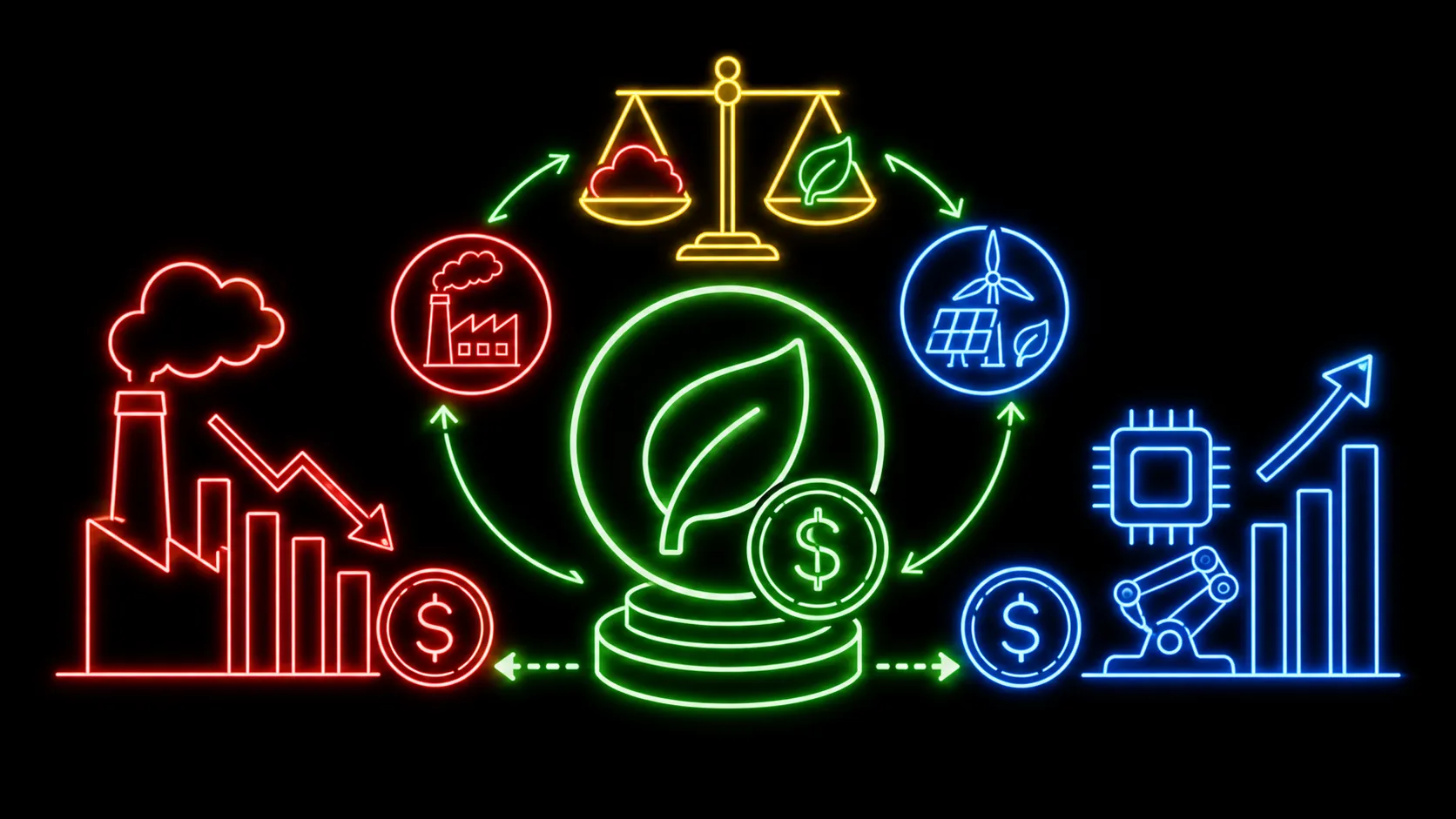

As the world grapples with climate change, carbon markets have emerged as essential tools in the fight against carbon emissions. By transforming regulatory pressures into tradable commodities, these markets are pivotal in the transition to a low-carbon economy. The source reports that their effectiveness is increasingly recognized by governments and businesses alike.
Overview of Carbon Markets
The Compliance Carbon Market (CCM) and the Voluntary Carbon Market (VCM) operate under distinct frameworks, each designed to manage and mitigate carbon emissions effectively. The CCM is typically regulated by government mandates, requiring companies to adhere to specific emissions limits, while the VCM allows businesses and individuals to voluntarily offset their carbon footprints through the purchase of carbon credits.
Incentives and Collaboration
This dual approach not only incentivizes emissions reduction but also fosters collaboration among governments, corporations, and market participants. By creating financial instruments that support various environmental projects, carbon markets play a significant role in driving investment towards sustainable initiatives. Ultimately, this contributes to global climate goals.
As carbon markets gain traction in addressing climate change, the role of XRP in transforming global finance is also becoming significant. For more insights on XRP's impact on cross-border payments, read more.











