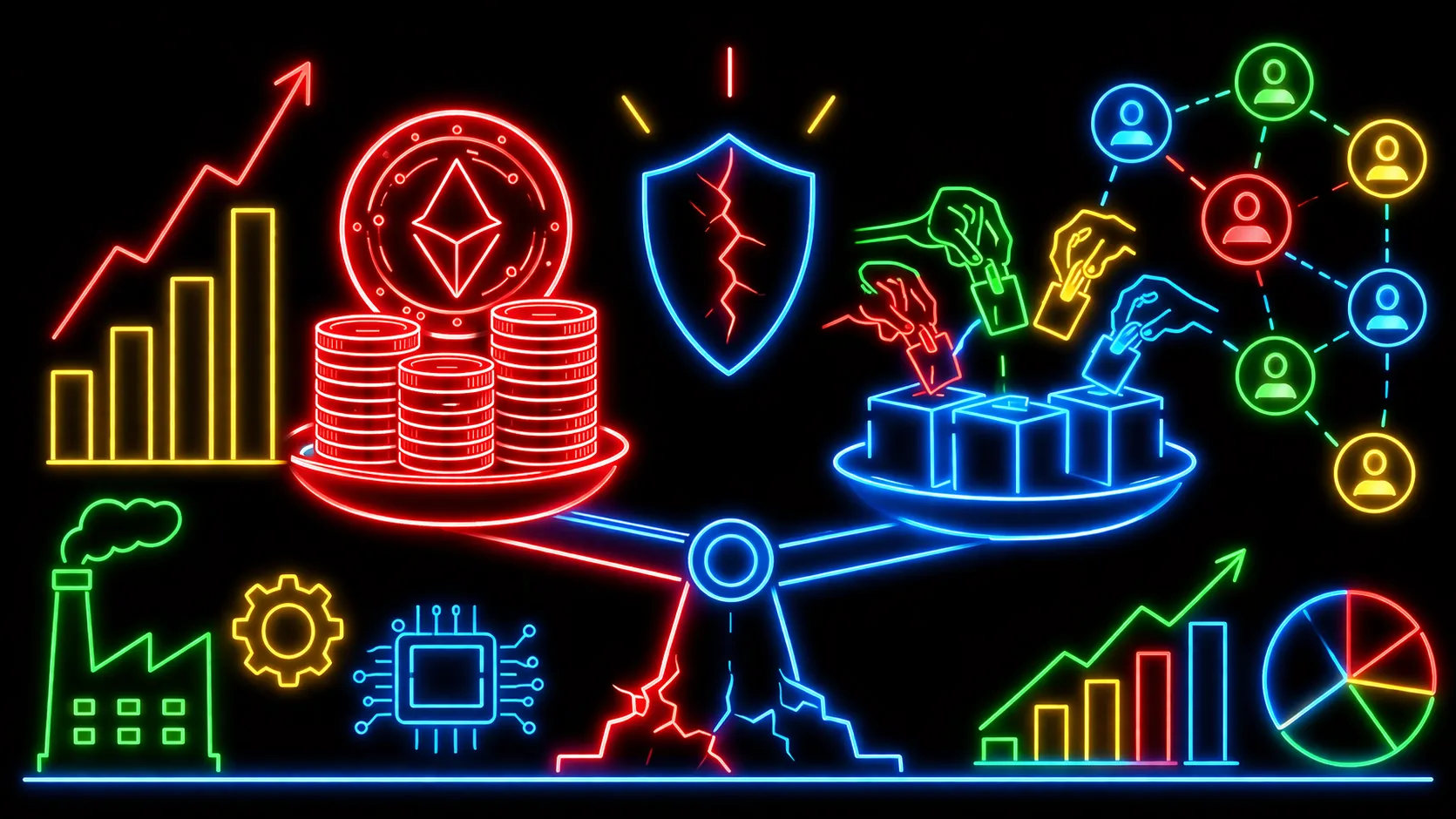

As decentralized governance systems evolve, token voting mechanisms are facing mounting scrutiny. Critics argue that these systems are plagued by inherent flaws that undermine their intended purpose of community representation. As pointed out in the source, it is important to note that addressing these issues is crucial for the future of decentralized governance.
Concerns Over Low Participation Rates in Token Voting
One of the primary concerns is the low participation rates in token voting, which often results in governance decisions being dominated by a small number of large token holders, commonly known as 'whales.' This concentration of power can skew outcomes, leaving the broader community's interests unaddressed.
Challenges in Governance Proposals
Additionally, the complexity of governance proposals and the lack of clear incentives for participation further exacerbate the problem. Many community members find it challenging to engage with the technical aspects of proposals, leading to a disengaged electorate. As a result, the effectiveness of decentralized governance is called into question, prompting discussions on potential reforms to enhance inclusivity and representation.
A recent study by the European Central Bank highlights significant governance concentration in DeFi protocols, contrasting with the ongoing concerns about token voting mechanisms discussed earlier. For more details, see this article.











