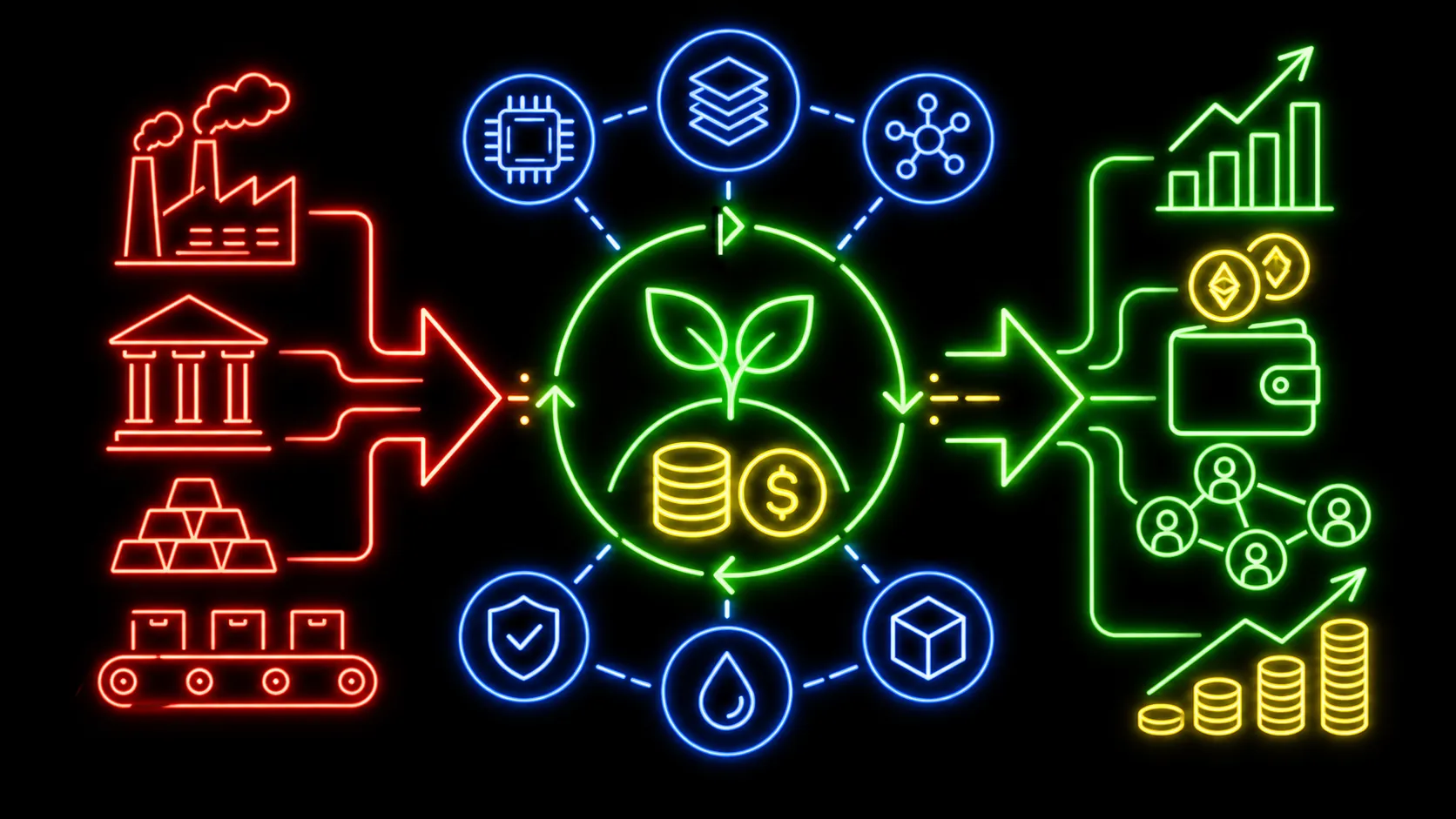

Yield farming is revolutionizing the landscape of passive income generation in the decentralized finance (DeFi) sector, allowing individuals to leverage their cryptocurrency holdings. By locking or depositing assets into various DeFi platforms, users can earn returns through interest, trading fees, or rewards, creating a potential steady income stream from their digital investments. According to the results published in the material, the growth of yield farming has attracted significant attention from both retail and institutional investors alike.
What is Yield Farming?
The process of yield farming involves users providing liquidity to DeFi protocols, which in turn rewards them with a share of the platform's earnings. This can lead to significantly higher returns compared to traditional savings accounts, attracting many investors looking for alternative income sources.
Risks Involved in Yield Farming
However, participants must remain mindful of the inherent risks associated with yield farming. Market volatility can dramatically impact the value of both deposited assets and earned rewards, leading to sudden and substantial losses. In addition, vulnerabilities in smart contracts or protocol code can expose investors to security breaches and liquidity drain events.
Conclusion
Understanding these dynamics is crucial for anyone looking to engage in yield farming. A balanced approach that combines thorough research, awareness of potential pitfalls, and strategic portfolio management can help investors capitalize on DeFi’s earning opportunities while minimizing exposure to its inherent risks.
As yield farming transforms passive income generation in DeFi, Yuxin Technology is navigating regulatory challenges in Southeast Asia's digital payment sector. For more details, see regulatory challenges.











