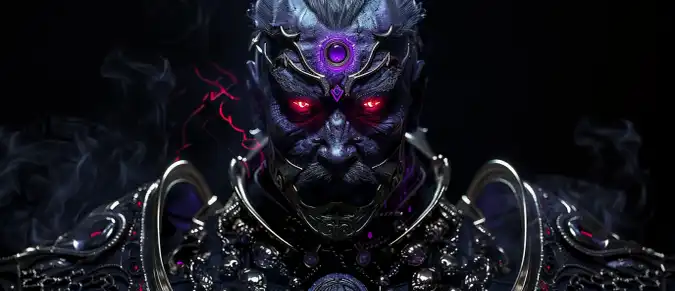

Chain of Alliance is a turn-based blockchain RPG that focuses not on speculative Play-to-Earn mechanics, but on deep strategic gameplay, a well-designed combat system, and true ownership of digital assets. The project aims to combine classic game design with Web3 capabilities, creating a sustainable gaming ecosystem where value is generated through player participation rather than artificial economic incentives.
Unlike many blockchain projects, Chain of Alliance was designed first and foremost as a game, not as a financial instrument. Distributed ledger technology acts as a supporting layer, expanding player control over in-game assets while ensuring transparency across all processes.
Contents
- Concept and Philosophy of Chain of Alliance
- Gameplay and Core Mechanics
- The Role of Web3 and NFT Assets
- Economic Model and In-Game Resources of Chain of Alliance
- Community and Long-Term Project Development
1. Concept and Philosophy of Chain of Alliance
Chain of Alliance is built around a “game-first” principle, where engaging gameplay, tactical decision-making, and long-term character progression take priority over crypto-economic considerations. The game world is designed as a living environment that evolves through player actions rather than following a strictly predefined script. The narrative unfolds through faction conflicts, territory exploration, and the formation of alliances, primarily revealed through in-game events and campaigns.
This approach keeps the storytelling flexible and allows the world to remain relevant over time. Blockchain tools are integrated seamlessly and do not create a barrier to entry: players can start without prior knowledge of crypto technologies, gradually exploring Web3 features as they become more involved. The absence of aggressive monetization and artificial restrictions strengthens player engagement and helps build a stable, long-term audience.
2. Gameplay and Core Mechanics
Chain of Alliance features a turn-based combat system where success depends on strategic planning rather than reaction speed. Players assemble squads of heroes, each with unique attributes, classes, and abilities. Team composition plays a decisive role, as skills can synergize or compensate for weaknesses within the group.
Combat requires careful positioning, resource management, and a clear understanding of enemy mechanics. Beyond battles, players interact with the world through exploration, quest completion, and character development, creating the experience of a full-fledged RPG rather than a collection of disconnected activities.
Key gameplay elements include:
- turn-based PvE and PvP battles with a tactical focus;
- hero squad formation and long-term progression;
- equipment and skill customization;
- character growth without hard pay-to-win mechanics;
- campaigns and events that influence the game world.
Additional depth is provided by synergy systems between heroes and their environment. Decisions made during combat can affect future encounters and overall difficulty, encouraging experimentation with different team compositions. As a result, each player develops a distinct playstyle.
3. The Role of Web3 and NFT Assets
Web3 technology in Chain of Alliance is used to ensure true ownership of in-game assets. Heroes, equipment, and other significant elements are represented as NFTs, allowing players to manage them independently of a single server or account.
This approach changes the traditional ownership model: in-game assets are no longer controlled solely by the developer but belong to the players themselves. It enables free trading, exchange, and long-term value storage tied to gameplay progress. At the same time, NFTs are not forced as a mandatory requirement. Players can engage with core content without actively participating in the crypto economy, lowering the entry barrier and making the game accessible to a broader audience.
Importantly, the blockchain layer operates in the background and does not disrupt the familiar gameplay experience. All asset-related operations are transparent and verifiable. This balance allows Web3 to be perceived as an advantage rather than a complication.
4. Economic Model and In-Game Resources of Chain of Alliance
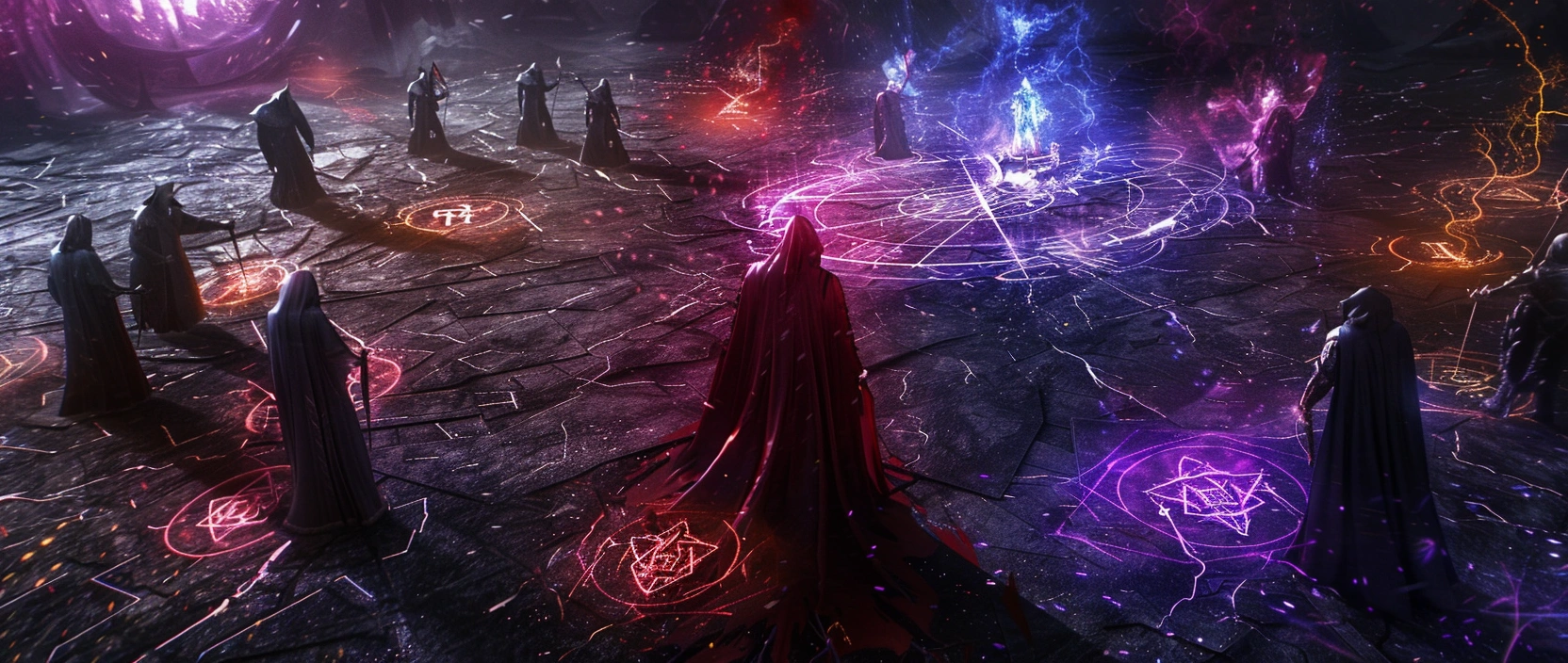
The economy of Chain of Alliance is built around a balance between gameplay progression and the value of digital assets. The core principle is that economic systems should support the game rather than replace it.
In-game resources are earned through active participation: battles, events, character development, and contributions to the ecosystem. Monetization is not based on a pay-to-win model, preserving fair competition among players.
| Economic Element | Purpose | Source |
|---|---|---|
| NFT Heroes | Core playable characters | Gameplay, events, trading |
| Equipment | Stat enhancement | Quests, battles, crafting |
| In-game Resources | Progression and upgrades | Active gameplay |
| Marketplace | Asset exchange and trading | Player interaction |
The economic system is designed with long-term sustainability in mind. Developers aim to avoid asset inflation and sharp imbalances by carefully controlling resource sources and gradually expanding available options. As a result, the in-game economy remains predictable and stable.
5. Community and Long-Term Project Development
Chain of Alliance is built as a project where the community plays an active and conscious role. Players are not limited to consuming content; they contribute to its creation, participate in testing updates, and discuss balance changes, directly influencing the evolution of the game world. This model strengthens engagement and fosters a sense of shared responsibility for the ecosystem.
Development is focused on long-term stability, with updates introduced gradually and shaped by player feedback. Open communication between the team and the community is treated as a strategic priority, helping build trust and reduce potential conflicts.
In this context, Chain of Alliance demonstrates a mature approach to Web3 gaming, where blockchain technology enhances the gameplay experience rather than replacing it with economic mechanics. The combination of thoughtful design, true asset ownership, and an active community creates a solid foundation for growth and positions the project as a potential benchmark for next-generation RPGs within the Web3 ecosystem.











