

Chain of Legends — a cryptocurrency game with strategy elements, built on the Binance Smart Chain. The project allows players to manage resources, mine valuable minerals, explore new territories, and battle opponents. One of the main features of the game is the use of NFTs and the CLEG token, which provide real economic value to in-game assets. The ecosystem is focused on long-term development, offering both entertainment and real earning opportunities. Ease of interaction with the platform, thoughtful mechanics, and blockchain support make Chain of Legends an attractive choice for both players and investors.
- What is Chain of Legends?
- Gameplay Mechanics
- Game Economy: CLEG Token and NFT
- Technological Foundation and Blockchain
- Advantages and Disadvantages of Chain of Legends
- Conclusion
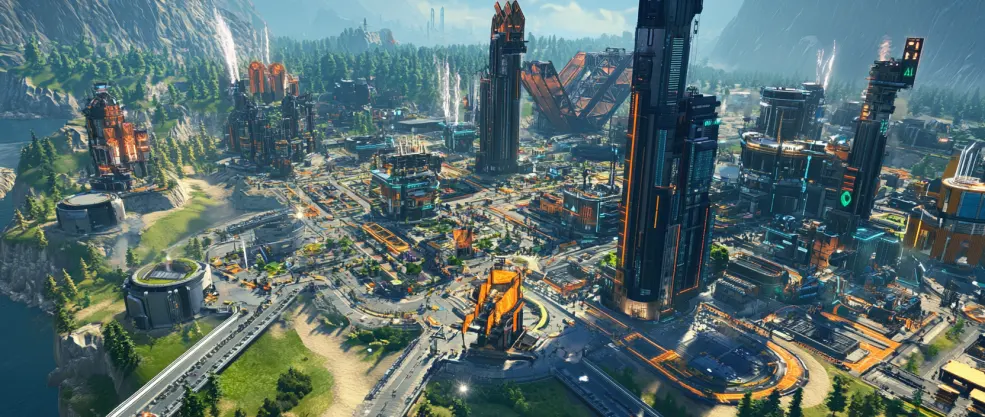
What is Chain of Legends?
Chain of Legends — is a decentralized game where players can build bases, mine resources, and engage in battles. The game starts small: each participant has a basic plot of land that can be expanded and upgraded by mining resources and fighting for new territories.
One of the unique features of Chain of Legends is the integration of NFTs. Every element of the game world, from land to buildings and artifacts, is represented as tokens that can be bought, sold, or traded on secondary markets.
The primary goal of the game — is to create a successful base, optimize resource extraction, and establish economic connections with other participants. Chain of Legends offers a variety of game modes, including PVE campaigns, PVP battles, and world exploration. This makes the gameplay engaging and dynamic.
Additionally, the game is community-focused: users can form alliances, share strategies, and participate in global events that influence the development of the game universe.
Gameplay Mechanics
Chain of Legends combines elements of strategy, economic simulation, and combat. The main focus is on resource management, base building, and battles.
Main elements of the gameplay:
- Base Building. Players start with a basic plot of land, which can be expanded by building mines, warehouses, defensive structures, and production facilities. Each object has upgrade levels, increasing its efficiency.
- Resource Mining. The key resource in the game — is precious stones, which are mined in the shafts. They are used for construction, upgrades, and market trading.
- Combat. Chain of Legends offers both PVP and PVE modes. In PVE, players complete tasks by fighting NPCs to earn rewards. In PVP, players battle other participants for resources and leaderboard positions.
- World Exploration. By exploring new territories, players find hidden resources, valuable artifacts, and plots for base expansion.
After completing the basic stages, players gain access to additional modes, including forming alliances, participating in global battles, and trading on markets. This adds depth to the gameplay and encourages players to remain active in the long term.
Game Economy: CLEG Tokens and NFT
The economic model of Chain of Legends is based on the CLEG token and NFT assets, which ensure the sustainability of the ecosystem.
CLEG is the primary in-game currency used for purchases, upgrades, and participation in battles. The token is issued in the BEP-20 format on the Binance Smart Chain.
| Feature | Value |
|---|---|
| Blockchain | Binance Smart Chain |
| Standard | BEP-20 |
| Usage | Purchases, upgrades, PVP battles |
| Market Price | In development |
NFTs play a crucial role in the game. Lands, buildings, mines, and rare artifacts — all are represented as unique tokens. NFTs can be sold on secondary markets or used to enhance gameplay.
The economic model of Chain of Legends is aimed at maintaining asset value through limited supply and consistent demand created by game mechanics. NFTs and CLEG are central to this process, providing players with real incentives to participate.
Technological Foundation and Blockchain
Chain of Legends is built on the Binance Smart Chain, ensuring high performance and accessibility. This solution allows the project to offer low transaction fees and compatibility with popular wallets such as MetaMask and Trust Wallet.
Binance Smart Chain was chosen for its scalability capabilities, which are especially important for games with a large number of users. Additionally, the blockchain infrastructure ensures data security and the ability to use smart contracts to manage assets.
The technologies behind the game include:
- Smart contracts for managing NFTs and tokens. These ensure transparency and reliability of all operations.
- Cryptographic protocols. They guarantee the security of player data.
- Integration with decentralized exchanges. This allows players to buy and sell assets directly from their wallets.
Using Binance Smart Chain gives Chain of Legends a competitive edge through a stable infrastructure and accessibility.
Advantages and Disadvantages of Chain of Legends
Chain of Legends — is a project with a unique concept that stands out among competitors. However, like any product, it has its strengths and weaknesses. Let's explore them in detail.
Chain of Legends has several key advantages that make the project appealing to both players and investors:
- Innovative game mechanics. A successful combination of strategy, economy, and adventure.
- Utilization of NFTs and CLEG token. The ability to own assets and earn through gameplay.
- High technological base. Binance Smart Chain provides stability, low fees, and transaction speed.
These features make Chain of Legends stand out among similar projects and increase its attractiveness to users.
However, despite its strengths, the project has some limitations that may affect its popularity.
Like any project, Chain of Legends faces certain challenges:
- High competition. The blockchain gaming market is growing, and the project needs to continuously stand out among numerous new games.
- Complexity for beginners. Inexperienced users may find it difficult to understand crypto wallets and token purchases.
These issues can be resolved by focusing more on player education and introducing new features that simplify interaction with the platform.
Overall, the project's strengths significantly outweigh its drawbacks. With proper development and community support, Chain of Legends has every chance to strengthen its position in the blockchain gaming market.
Conclusion
Chain of Legends — is not just a game, but an innovative platform that combines decentralized technologies and economic strategy. The use of Binance Smart Chain, CLEG token, and NFT assets makes the project appealing to both players and investors. Thoughtful game mechanics, data security, and real earning opportunities make Chain of Legends stand out among competitors.











