

The blockchain industry is gradually moving away from primitive Play-to-Earn mechanics toward fully developed gaming ecosystems. Eclipsera Legends is a clear example of this transition, offering not just token rewards but a comprehensive RPG experience with advanced PvP, strategic combat, and a well-structured economy. The project combines classic game design principles with Web3 capabilities, allowing players to own digital assets and participate in a competitive economy. This article provides a detailed overview of the game, its core mechanics, and long-term development prospects.
Contents
- The Concept and Game Universe of Eclipsera Legends
- Gameplay and Game Modes
- Economic Model and the ECS Token
- Technological Foundation and Blockchain Infrastructure
- Development Prospects and the Role of the Community
- Conclusion

1. The Concept and Game Universe of Eclipsera Legends
Eclipsera Legends takes place in a fantasy universe that has survived a global cataclysm. The world has been divided into separate dimensions, each with its own ecosystem, enemies, and resources. Players assume the role of a hero who travels between worlds, restoring balance through combat and exploration.
The storyline serves a functional purpose rather than a purely decorative one. Progressing through the narrative unlocks new gameplay features, modes, and locations, creating a logical sense of progression. As a result, character development is closely tied to the lore and feels like an integral part of the overarching story.
An additional advantage is the modular structure of the universe. Developers can expand the world by adding new dimensions and storylines without disrupting existing content. This approach provides a solid foundation for the project’s long-term evolution.
As a result, the game world feels dynamic and alive, increasing player engagement and encouraging long-term participation.
2. Gameplay and Game Modes
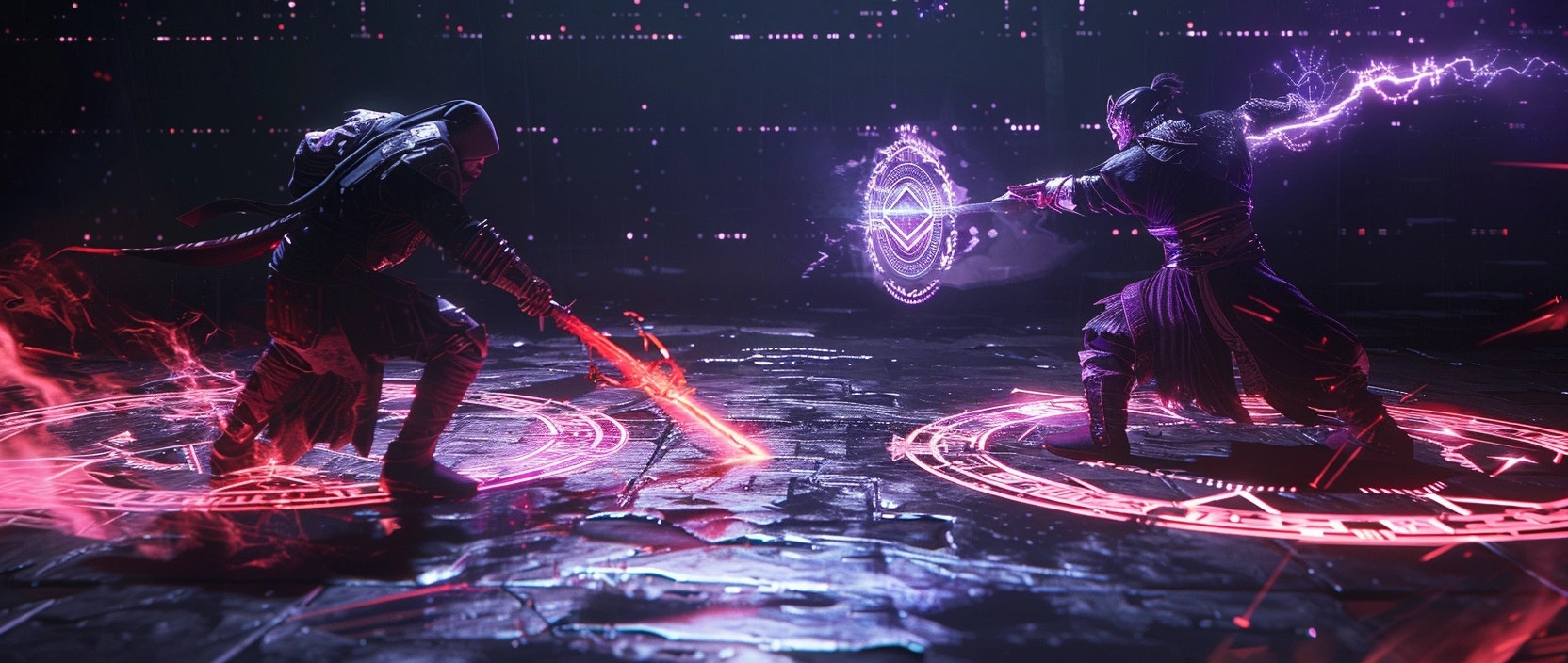
The core gameplay is built around turn-based combat with an emphasis on tactical planning. Each battle requires analyzing the opponent’s actions, selecting optimal abilities, and managing resources efficiently. This format reduces the impact of randomness and makes outcomes more dependent on strategy.
Several key modes shape a diverse gameplay experience:
- PvE mode — completing story missions, fighting monsters, and gathering resources;
- PvP duels — player-versus-player battles with equal starting conditions;
- Team-based formats — Team-vs-Team battles and large-scale conflicts between groups of players;
- Stake-based battles — PvP rooms with real stakes that enhance competitive intensity.
Special attention is given to PvP fairness. In most competitive modes, there is no advantage gained through financial investment, making skill and tactical decision-making the primary factors for victory.
Additional depth comes from the variability of combat decisions. Skill combinations and forward-thinking planning over several turns help prevent gameplay from becoming repetitive, even during extended play sessions.
3. Economic Model and the ECS Token
The economy of Eclipsera Legends is built around its native utility token, ECS. It serves as the primary medium of interaction between players and game mechanics. The token is integrated into nearly every aspect of the project, reducing speculative pressure while increasing its practical utility.
The main use cases of ECS are outlined in the table below:
| Category | Token Function |
|---|---|
| PvP modes | Stakes and prize pool formation |
| Marketplace | Buying and selling NFT characters and items |
| Progression | Paying for upgrades and special features |
| Rewards | Incentives for activity and event participation |
The economy is further supported by an NFT asset system. Characters, equipment, and world elements are owned by players and can be freely traded or transferred, forming an independent in-game market.
To maintain balance, token-burning and consumption mechanisms are implemented. These tools help control inflation and preserve the long-term stability of the economic model.
4. Technological Foundation and Blockchain Infrastructure
The project is built on a modern high-performance blockchain network chosen for its fast transaction processing and minimal fees. These characteristics are crucial for a game with active PvP battles, frequent in-game operations, and a continuously operating digital asset marketplace.
All token and NFT transactions are recorded in a distributed ledger, ensuring transparency, data verifiability, and protection against manipulation. Players retain full control over their digital assets, with ownership confirmed by decentralized architecture rather than internal game servers.
The scalable infrastructure allows the game to operate reliably as the user base grows and activity increases. This reduces technical risks and supports the smooth introduction of new mechanics, modes, and integrations. As a result, blockchain technology plays a system-forming role, uniting gameplay, economy, and asset ownership into a single sustainable ecosystem designed for long-term growth.
5. Development Prospects and the Role of the Community
Eclipsera Legends is designed for long-term development and gradual content expansion. The project roadmap includes new game modes, PvP seasons, team-based tournaments, and additional elements of the game universe.
The community plays a significant role in the project’s evolution. Players are actively involved through events, rankings, and competitive activities, helping to build a stable and engaged social environment within the game.
The project is steadily shifting its focus from short-term earning mechanics to the concept of true digital ownership. This increases the value of in-game achievements and reduces reliance on speculative interest.
In the long run, Eclipsera Legends may occupy the niche of a mature GameFi platform, where gameplay, economy, and social interaction complement each other to form a sustainable and competitive ecosystem.
6. Conclusion
Eclipsera Legends demonstrates the evolution of blockchain games toward deeper and more balanced products. The project combines thoughtful gameplay, a fair competitive environment, and a sustainable economic model.
Web3 integration does not replace the core gameplay but enhances it by adding real asset ownership and transparency. This approach positions Eclipsera Legends as a promising example of the future direction of blockchain gaming.
It is also important to note that the project focuses not only on short-term user interest but on building a long-term gaming ecosystem. Emphasis on strategy, competition, and community participation increases the overall value of the player experience and reduces dependence on speculative factors. Together, these elements make Eclipsera Legends a resilient and competitive product in the rapidly evolving blockchain gaming sector.











