

Gem Fighter is a blockchain-based arcade space shooter that combines fast-paced gameplay, competitive elements, and a Play-to-Earn economy. Inspired by classic retro shooters, the project leverages modern Web3 mechanics, including NFTs, tokenized rewards, and decentralized ownership of in-game assets. Players pilot customizable spacecraft, progress through procedurally generated levels, collect rare NFT gemstones, and earn cryptocurrency through skill and strategic decision-making. This approach blends traditional gaming enjoyment with real economic incentives.
Contents
- Concept and Positioning of Gem Fighter
- Gameplay and Game Design
- NFTs and In-Game Economy
- Competitive Mechanics and Reward System
- Gem Fighter Outlook, Risks, and Conclusions
1. Concept and Positioning of Gem Fighter
Gem Fighter is positioned as a free-to-play blockchain game where player skill plays a central role, rather than passive income or automated farming. Unlike many early Play-to-Earn projects, the game emphasizes reaction speed, precision, and adaptability to constantly changing conditions. This approach helps attract not only crypto-native users but also fans of classic arcade action games.
The project combines the visual aesthetics of retro shooters with modern blockchain infrastructure. Procedural level generation ensures variety across gameplay sessions and reduces repetition. At the same time, Web3 technologies enable transparent reward distribution and grant players true ownership of digital assets.
An additional advantage is the low entry barrier. Players can start without purchasing NFTs, gradually learning the mechanics and deciding whether to engage more deeply with the economic layer of the project. This creates a healthier gaming environment and lowers barriers for new users. Overall, Gem Fighter aims to occupy a niche as a sustainable GameFi project where blockchain enhances gameplay rather than replacing it, increasing the chances of long-term growth and audience retention.
2. Gameplay and Game Design
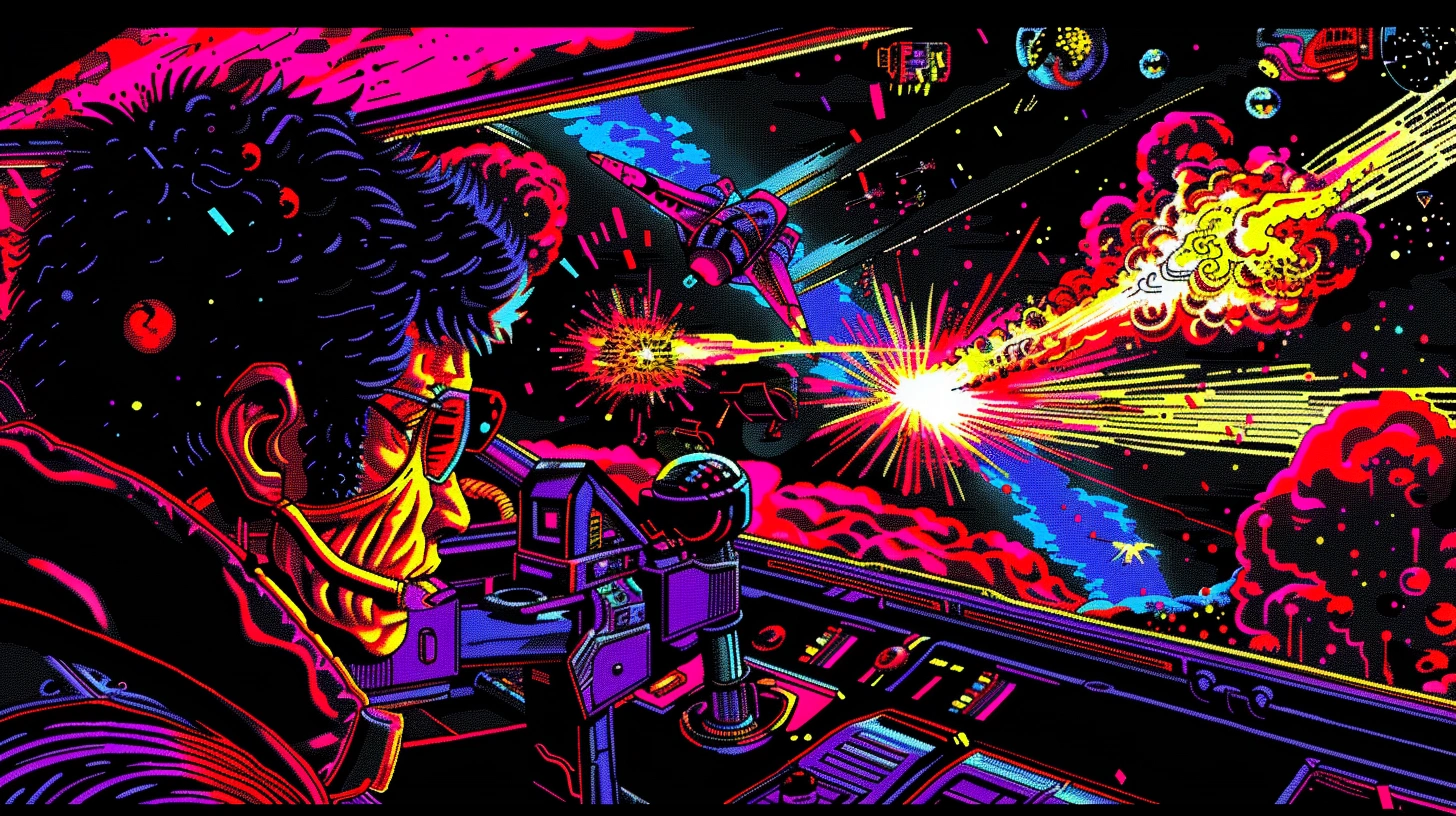
Gem Fighter’s gameplay is built around classic side-scrolling space shooter mechanics. Players control a ship, evade attacks, destroy waves of enemies, and collect bonuses while trying to survive as long as possible and achieve the highest score. A key feature is procedural level generation, where enemy placement, obstacles, and rewards change with each run, making every session unique. This increases replayability and encourages continuous skill improvement.
The need for quick decision-making adds depth to the gameplay. Mistakes in movement or tactical choices can lead to rapid defeat, requiring focus and precision. This format is especially appealing to players who enjoy dynamic and intense action experiences. Skill progression is directly reflected in performance: the better players master movement, shooting, and evasion mechanics, the higher their results and chances of obtaining valuable rewards. This creates a fair progression model based on ability rather than time investment or spending.
3. NFTs and In-Game Economy
The economy of Gem Fighter is built around NFTs represented as collectible gemstones. These digital assets are functional rather than decorative, directly influencing gameplay parameters and a player’s earning potential. Each gemstone NFT has unique attributes that can enhance attack power, defense, speed, or reward multipliers. Players can obtain these assets through gameplay, the in-game marketplace, or special events, providing flexible access to the project’s economy.
Importantly, NFTs are not mandatory to start playing. However, using them unlocks additional strategic options and accelerates progression. This allows the project to balance accessibility with expanded features for more engaged users.
- NFT Gemstones — unique assets that enhance ship performance;
- $HODL Token — the primary in-game reward token;
- Staking — an option for passive income using NFTs;
- Trading — asset exchange between players;
- Skill-Based Earnings — income depends on gameplay efficiency.
The economic model is designed to reward active participation rather than automated farming. This reduces inflationary risks and supports the long-term value of in-game assets. Such a toolset creates a multi-layered economy where players can choose between active gameplay and longer-term asset strategies. By combining NFTs, staking, and trading, users can flexibly manage their progression and income, making the in-game economy more resilient and less dependent on short-term activity fluctuations.
4. Competitive Mechanics and Reward System
Competition plays an important role in Gem Fighter. The core element is a global leaderboard where players are ranked based on performance metrics such as efficiency, survival time, and total score. At the end of each season or competitive cycle, top performers receive rewards in the form of $HODL tokens and rare NFTs. This system encourages regular participation and continuous skill development.
Competitive play also strengthens the social aspect of the game. Players strive not only for material rewards but also for recognition within the community, which builds long-term motivation and increases engagement.
| Element | Description | Impact on Players |
|---|---|---|
| Leaderboards | Global performance-based rankings | Motivation to improve skills |
| Seasonal Rewards | Distribution of tokens and NFTs | Long-term player retention |
| Special Events | Time-limited challenges | Additional earning opportunities |
This model maintains a balance between competition and accessibility, avoiding the creation of an exclusive system for a small group of players. Leaderboards and seasonal activities allow users to track their progress and compare results with others, making development more transparent and motivating return play. Special events also serve as a testing ground for new mechanics and balance adjustments, gradually expanding the overall gameplay experience. Together, these elements make the competitive system flexible and adaptable to different playstyles.
5. Gem Fighter Outlook, Risks, and Conclusions
Gem Fighter shows strong potential as a skill-based blockchain game but faces challenges common to GameFi projects. These include cryptocurrency market volatility, the need to maintain player interest, and careful economic balancing. A key success factor will be regular content updates and ongoing development of gameplay mechanics. Without new modes, events, and improvements, even dynamic gameplay can lose its appeal over time.
Community activity and transparent interaction with the development team are also crucial. Open communication and timely updates can significantly increase trust and reduce reputational risks. Overall, Gem Fighter can be seen as an example of a more mature Play-to-Earn approach, where gameplay takes priority and blockchain serves as a tool to expand possibilities. With consistent development, the project has the potential to secure a stable position within the blockchain gaming sector.











