

The Habbo NFT project represents a bold attempt to migrate legendary in-game assets onto blockchain technology. This is not merely a reissue of old pixelated items, but the creation of a new ecosystem where ownership rights over virtual goods receive real technological confirmation. The initiative aims to impart value to digital content through its tokenization, offering the community both nostalgic artifacts and fresh opportunities for interaction.
Contents:
- From Pixels to Blockchain: The Essence of Habbo NFT
- Key Metaverse Collections and Their Features
- Mechanics of Working with and Owning Digital Assets
- Economics and Trading in the New Ecosystem
- The Future of the Habbo Platform: Prospects and Challenges
- Conclusion
From Pixels to Blockchain: The Essence of Habbo NFT
The Habbo NFT project represents a fundamental shift from the traditional model of owning virtual items to a system based on blockchain technology. In the classic Habbo Hotel, all elements acquired by players—from furniture to avatar details—essentially remained at the company's disposal, being tied to a gaming account. The new platform transforms these digital objects into independent assets, recorded in a decentralized ledger.
The initiative, using the Polygon network, assigns each item the status of a unique token (NFT). This provides users with indisputable and independent ownership rights over their collections. Thus, legendary pixelated artifacts take on the character of verifiable digital property, the value of which is determined by the community and can be preserved outside the framework of the original game.
Key Metaverse Collections and Their Features
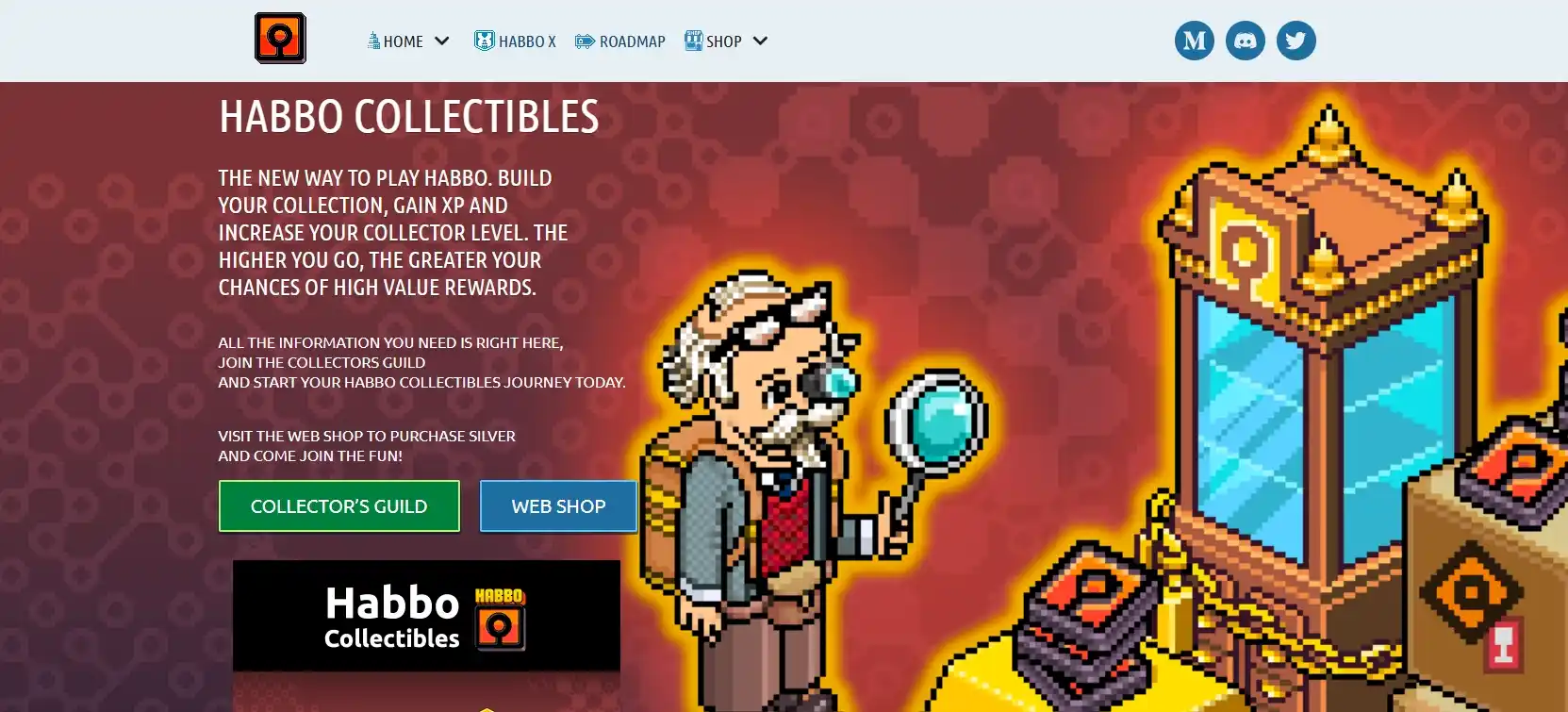
The Habbo NFT ecosystem is structured around several key categories of tokenized assets, each possessing unique value. A central place is occupied by Habbo Avatars—NFT avatars that serve as a digital identity and entry point into the community. Another significant group is Habbo Collectibles, which includes famous interior items (Furni) that have shaped the visual language and culture of the virtual hotel for decades.
A separate segment consists of Rare Values collections, representing digitized versions of legendary and extremely limited items from the platform's history. It is precisely these artifacts, whose value in the original game's economy was exceptionally high, that form the core for collectors and investors. Together, these categories create a multi-tiered system that combines nostalgic significance with potential for new digital collecting.
Mechanics of Working with and Owning Digital Assets
To interact with Habbo NFT assets, a user needs to connect a cryptocurrency wallet, such as MetaMask, to the official marketplace. Upon purchase, the token is transferred to the owner's address on the Polygon blockchain, which serves as irrefutable proof of their rights. However, it is critically important to distinguish between technological ownership of the token and its functional application in the classic Habbo Hotel.
A key feature is the "binding" process, which allows an item to be transferred into a game account's inventory. Let's compare the two states of an asset:
| Asset Type | Ownership (on blockchain) | Use in Habbo Hotel | Resale Possibility on Marketplace |
|---|---|---|---|
| NFT in Wallet | Confirmed by token | Not available | Yes, freely |
| Bound Item | Terminated (token burned) | Available in game inventory | No, it is an irreversible operation |
Thus, the user faces a strategic choice: to keep the asset as a liquid and independent digital commodity or to convert it for practical use in the virtual world. This mechanism forms a two-tier economy, dividing the market between collectors and active room decorators.
Economics and Trading in the New Ecosystem
The Habbo NFT market functions as a fully decentralized platform, where pricing is formed exclusively by community participants. This creates a dynamic environment, similar to trading traditional collectibles, where value is determined by a set of factors. The key drivers for evaluating digital assets are:
- Historical Rarity: The limited nature of the original print run or the status of a legendary item in the original game.
- Current Demand: The popularity of certain item categories for creating fashionable interiors (setups) or customizing avatars.
- Utility: The potential for practical application of the asset in the virtual space after binding it to a game account.
- Market Liquidity: Trading activity and the number of offers on the secondary market for a specific lot.
This approach transforms virtual pixelated artifacts into an object of investment interest, whose value is supported by a real market agreement. The project's economy gives players direct control over their digital valuables, allowing them not only to collect but also to benefit from understanding trends within the platform itself.
The Future of the Habbo Platform: Prospects and Challenges
The introduction of blockchain technology opens the way for Habbo to form a full-fledged decentralized metaverse, where digital ownership becomes the basis for new social and economic interactions. In the long term, this could lead to the emergence of innovative mechanics: for example, creation and monetization of content by users themselves, launching game modes accessible only to owners of specific NFTs, or developing a community governance system (DAO). Such evolution can attract a new audience interested in verifiable ownership of digital assets.
However, the path to this prospect is associated with a set of serious challenges. Key obstacles remain the need to overcome skepticism from part of the traditional community, the complexity of technically integrating two different systems (the classic game and the blockchain), as well as the general volatility and regulatory uncertainty of the NFT market. The success of the ambitious transformation will depend on the developers' ability to balance between introducing innovations and preserving the recognizable spirit and gameplay foundations of the original virtual world.
Conclusion
The Habbo NFT project represents an important milestone in the evolution of digital entertainment, moving the concept of virtual ownership to a qualitatively new level. It offers the community not just nostalgia for the pixelated past, but tools for real and confirmed ownership of their collections. This initiative demonstrates a growing trend of integrating blockchain technologies into traditional gaming worlds.
The success of this transformation will be measured not only by economic indicators but also by the ability to preserve the social fabric and unique atmosphere of Habbo. The future of the platform now depends on a delicate balance between an innovative blockchain-based economy and that very spirit of creative communication that originally made the virtual hotel a cult phenomenon for an entire generation of players.











