

Heroes of Holdem is a blockchain-based game that blends Texas Hold’em poker strategy with RPG and collectible mechanics. The project brings the familiar card format into the Web3 space, where heroes, items, and abilities become digital assets owned by players. Unlike traditional poker apps, success here depends not only on cards and bets but also on character progression, gear selection, and tactical use of skills. This creates a deep competitive environment and an economy built around NFT ownership and in-game tokens.
Contents
- Game Concept and World Features
- Gameplay and Strategic Elements
- Blockchain Infrastructure and Digital Ownership
- Economy, Tokens, and Value Distribution
- Community, Tournaments, and the Future of the Project
1. Game Concept and World Features
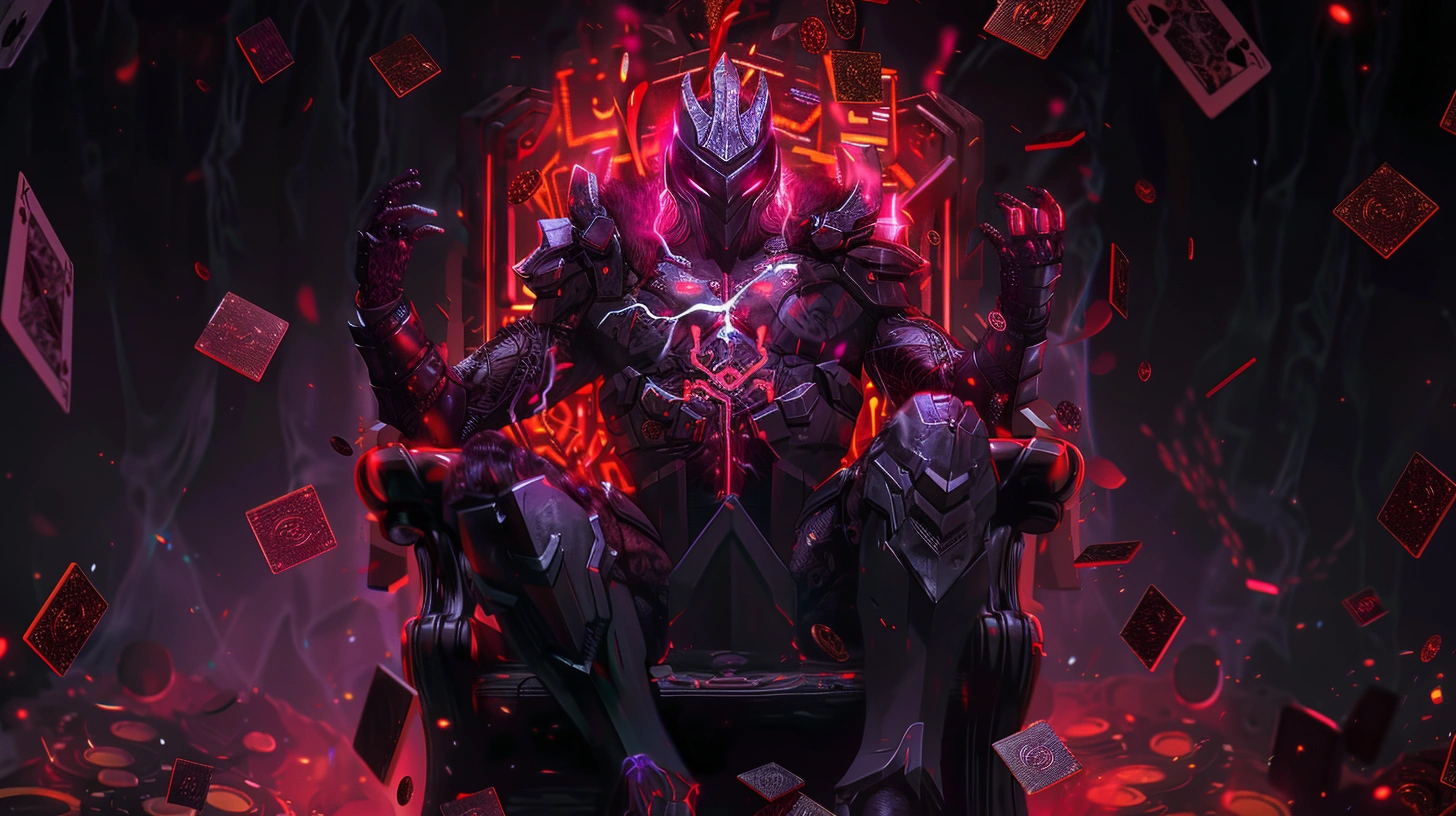
Heroes of Holdem combines classic poker with elements of a fantasy RPG. Players take part in card matches as heroes with unique traits, races, and classes that influence their playstyle and progression. This approach makes the experience more personal and engaging compared to traditional poker applications.
The game world is built around faction conflicts and constant competition, where success relies not only on luck but also on well-planned strategy. The blend of poker mathematics and character abilities makes every match dynamic and unpredictable. Participants must adapt to opponents’ tactics and changing conditions.
The fantasy visual style strengthens immersion: heroes resemble warriors and mages, while items appear as magical artifacts. The gradual introduction of new characters and story elements expands the game universe and keeps the audience engaged.
2. Gameplay and Strategic Elements
The core gameplay follows Texas Hold’em rules but is enhanced with abilities and equipment systems. Before a match, players choose a hero who defines available bonuses and tactical options. Some characters strengthen specific situations, while others help control the flow of the hand, making strategy more flexible and diverse. Resource management and timing of skill usage are also crucial.
Players must consider not only the strength of their hand but also potential opponent moves, combining calculation with chance. Hero progression unlocks new tactical opportunities and keeps the experience evolving. Competitive formats range from quick matches to multi-stage tournaments. This structure suits both newcomers and experienced players, while hero diversity allows everyone to develop a unique playstyle.
3. Blockchain Infrastructure and Digital Ownership
One of the key features of Heroes of Holdem is the use of blockchain technology to verify ownership of in-game assets. Heroes, items, and special abilities exist as NFTs owned by players and can be stored independently of the game client. This creates a higher level of transparency and gives users confidence in the security of their resources.
Thanks to this structure, in-game items can participate in secondary markets. Players can trade, sell, or collect assets, forming personal resource management strategies. Blockchain immutability reduces the risk of manipulation and makes the economic system more predictable.
Web3 integration connects gameplay with a broader digital economy where each asset has measurable value. This adds extra motivation to participate and develop characters over time. Ownership is not limited to a single platform, and future compatibility with other ecosystem services may further expand asset utility.
4. Economy, Tokens, and Value Distribution
The economic system of Heroes of Holdem revolves around in-game tokens and NFT assets. Tokens are used for tournament entry, item purchases, and hero development. Rewards are distributed based on competitive performance, linking success in matches with economic opportunities.
| Economic Element | Role in the Game | Value for Players |
|---|---|---|
| Game Token | Primary in-game payment tool | Tournament entry and purchases |
| NFT Heroes | Main playable characters | Progression and unique playstyle |
| Items and Abilities | Character enhancements | Expanded strategic options |
| Tournament Rewards | Incentives for activity | Tokens and rare items |
This structure encourages not only participation but also long-term progression. Players benefit from improving their skills, as performance directly affects in-game earnings. A balance between rewards and spending helps maintain economic stability. Mechanisms limiting the supply of rare items also help preserve their market value.
5. Community, Tournaments, and the Future of the Project
The development of Heroes of Holdem strongly depends on its active community and competitive environment. Players interact both during matches and outside the game, discussing strategies, hero builds, and balance changes. Regular updates, new content, and developer attention to player feedback help sustain interest and continuously refine gameplay. This approach builds a stable ecosystem and supports long-term growth within the blockchain gaming sector.
- Regular tournaments with digital rewards and player rankings
- An active community discussing strategies and hero progression
- Plans to expand functionality and introduce new game modes
- Partnership development within the blockchain gaming industry
- Improved user interface and accessibility for newcomers
Heroes of Holdem demonstrates how a classic card format can evolve through blockchain technology. The game combines strategy, character progression, and digital ownership into a unified experience where in-game achievements have real value. NFT and token integration deepen the economic layer, while tournaments maintain a strong competitive spirit. As a result, the project represents a modern model of digital entertainment focused on engagement, progression, and long-term player interest.











