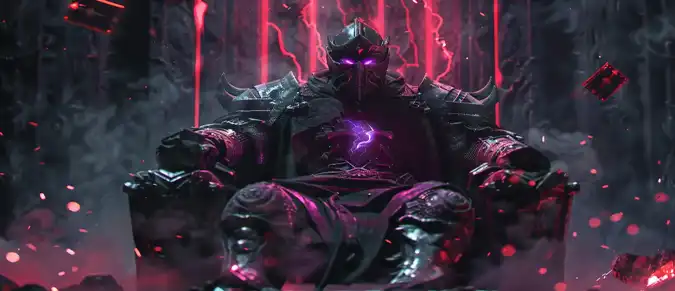

Kingdom Karnage is a strategic blockchain card game featuring a decentralized economy and NFT-based assets. Developed by Kepithor Studios, it combines classic trading card gameplay with true ownership of in-game resources. Unlike traditional games, players can independently control, trade, and manage their digital items. This creates a new model where gameplay progress has real and long-term value. The project highlights the potential of Web3 technologies and the future of decentralized gaming ecosystems.
Contents
- Concept and Core Principles of Kingdom Karnage
- Gameplay and Progression System
- Blockchain Infrastructure and NFT Integration
- Economy, Tokens, and Project Ecosystem
- Conclusion
1. Concept and Core Principles of Kingdom Karnage
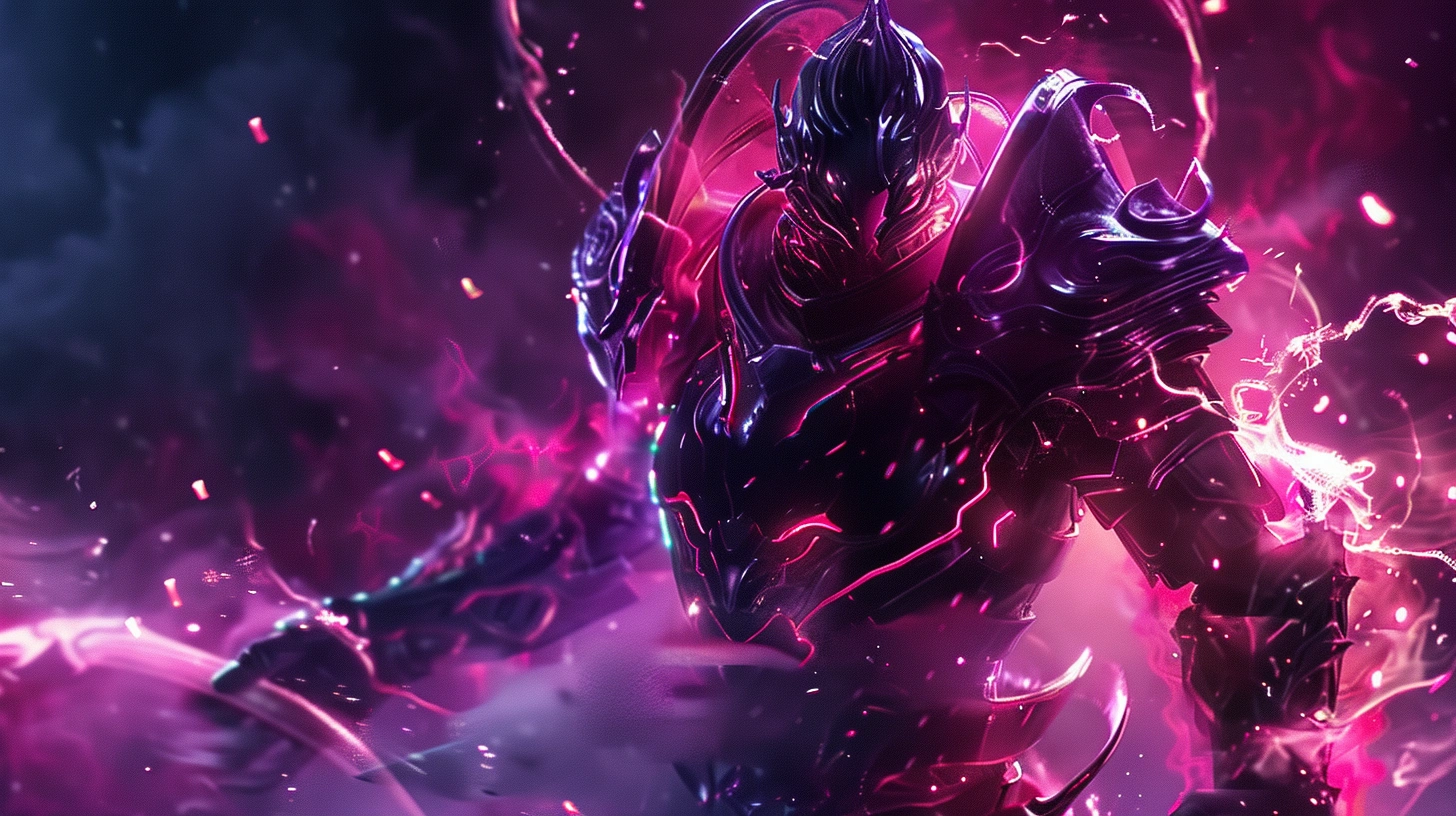
Kingdom Karnage is a collectible card game that combines strategic gameplay with blockchain technology. Players build their own decks using heroes, items, and abilities, then use them in battles against other participants. Success depends on careful planning, smart card combinations, and the ability to adapt to different combat scenarios. This approach creates dynamic gameplay that encourages continuous improvement and strategic thinking.
A key principle of the project is digital ownership. Unlike traditional games where developers fully control in-game assets, Kingdom Karnage allows items to exist as NFTs owned directly by players. This enables users to store, trade, or sell their assets independently of the game platform. As a result, in-game achievements gain real value and long-term significance. The project empowers players by giving them true control over their digital resources.
The game is designed to be accessible to a wide audience. It is available on PC and mobile devices, allowing users to join from different platforms. Blockchain functionality is optional at the beginning, enabling new players to explore the game before engaging with Web3 features. This lowers the barrier to entry and makes decentralized gaming more approachable. Kingdom Karnage successfully bridges traditional gaming and blockchain innovation.
By combining familiar card game mechanics with decentralized ownership, the project introduces a hybrid gaming model. Players benefit from both engaging gameplay and valuable digital assets. This reflects the broader transition of the gaming industry toward open, player-driven ecosystems.
2. Gameplay and Progression System
The gameplay of Kingdom Karnage focuses on strategic battles where players use their decks to defeat opponents. Each character and item has unique attributes that influence combat outcomes. Players must carefully select cards and manage resources to gain an advantage. Victory depends on tactical decisions, not just card strength.
The progression system allows players to continuously improve their capabilities. As they participate in battles, they unlock new heroes, abilities, and gameplay features. This encourages long-term engagement and strategic development. Increasing difficulty levels ensure that gameplay remains challenging and rewarding.
Main game modes include:
- Campaign Mode — introduces game mechanics and supports gradual progression.
- PvP Battles — competitive matches against other players.
- Events and Tournaments — limited-time challenges with special rewards.
- Deck Building — allows players to create personalized strategies.
- Character Progression — enables heroes to grow stronger over time.
The game also features ranking systems that track player performance. This competitive structure motivates players to improve their strategies and achieve higher rankings. Skilled players gain access to better rewards and recognition. The progression model adds long-term depth and engagement.
This balanced structure ensures accessibility for beginners and depth for experienced players. New users can gradually learn mechanics, while advanced players can refine complex strategies. This makes Kingdom Karnage both approachable and strategically rich.
3. Blockchain Infrastructure and NFT Integration
Blockchain technology is central to Kingdom Karnage, ensuring transparency and security for digital assets. All NFT items are recorded on a decentralized network, guaranteeing their authenticity and uniqueness. This prevents duplication, fraud, and unauthorized modification. The blockchain provides a secure foundation for asset ownership.
NFT assets include characters, equipment, and collectibles. Ownership is verified on the blockchain rather than stored in centralized databases. This gives players full control over their digital property. They can freely transfer, trade, or retain their assets.
Blockchain transparency also allows players to verify ownership history. This builds trust within the community and strengthens the in-game economy. Players can confidently trade assets knowing their authenticity is guaranteed. Such transparency is uncommon in traditional gaming environments.
Additionally, NFTs may have utility beyond a single game. Assets can potentially integrate into other ecosystem projects, increasing their long-term value. This expands the functionality and relevance of digital ownership. Blockchain integration positions Kingdom Karnage within the evolving Web3 ecosystem.
4. Economy, Tokens, and Project Ecosystem
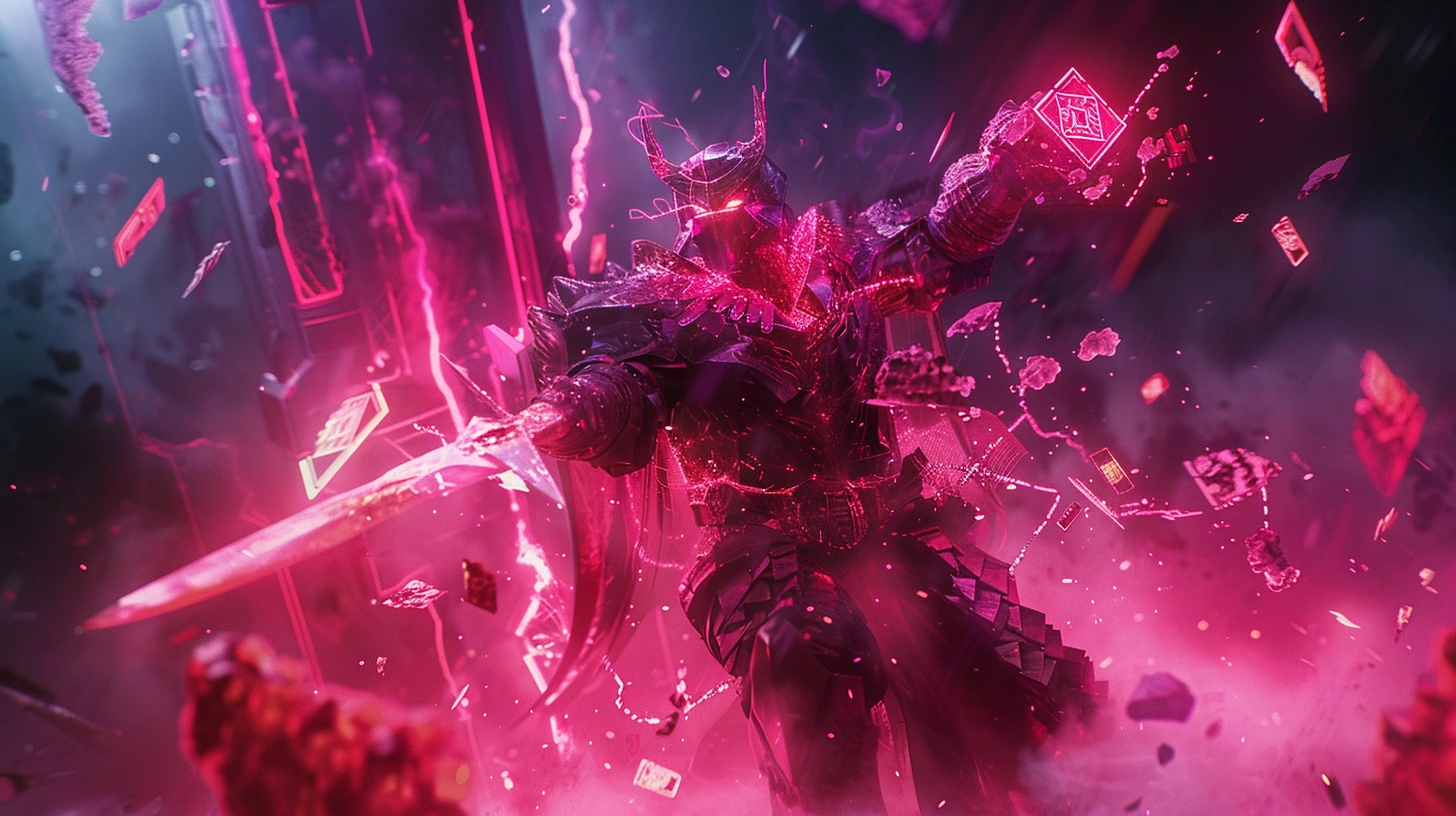
The economic system of Kingdom Karnage is built around digital assets and its native token, KKT. The token serves as the primary currency for purchases, rewards, and economic interactions. This creates a functional player-driven economy supported by blockchain infrastructure.
Main economic components:
| Component | Description | Function |
|---|---|---|
| KKT Token | Primary digital currency | Used for purchases and rewards |
| NFT Assets | Unique digital items | Provide ownership and utility |
| Marketplace | Trading platform | Enables asset exchange between players |
| Reward System | Player incentives | Encourages active participation |
| Game Ecosystem | Connected projects | Expands asset utility and integration |
The ecosystem includes multiple interconnected projects that share assets and technology. This allows players to use their resources across different experiences. Such integration increases asset value and expands player opportunities. It also strengthens the overall ecosystem structure.
The economic model rewards participation, skill development, and strategic growth. Active players benefit from stronger progression and better rewards. This creates a sustainable and balanced ecosystem. The project aligns with the principles of decentralized digital economies.
Future development may introduce new features, economic systems, and gameplay modes. These improvements could enhance player engagement and ecosystem value. Kingdom Karnage continues to evolve alongside the broader Web3 gaming landscape.
5. Conclusion
Kingdom Karnage demonstrates how blockchain technology can transform gaming by enabling true digital ownership. By combining strategic gameplay, NFTs, and tokenized rewards, it creates a new interactive model. Players gain both entertainment and economic opportunities.
Decentralized infrastructure improves transparency and trust within the gaming environment. This supports sustainable ecosystem growth and long-term player engagement. Kingdom Karnage represents the next stage of blockchain gaming evolution.
As Web3 technologies continue to expand, projects like Kingdom Karnage may define the future of digital entertainment. The game showcases how decentralized systems can reshape player experience, ownership, and virtual economies.











