
Mechaversus is a multifunctional blockchain project in the turn-based strategy genre, where players not only battle each other but also participate in a real digital economy through ownership of in-game assets based on NFTs and tokens. The project is built around the Play-to-Earn philosophy, meaning users receive tangible rewards for their progress, strategic thinking, and market activity. This article explores the key aspects of Mechaversus — from its lore and game universe to its tokenomics and economic structure — based on information from official sources and independent reviews.
Contents
- The World and Story of Mechaversus
- Gameplay and Mechanics
- NFTs, Tokens, and In-Game Assets
- Economy and Tokenomics of Mechaversus
- Community and Ecosystem Development
1. The World and Story of Mechaversus
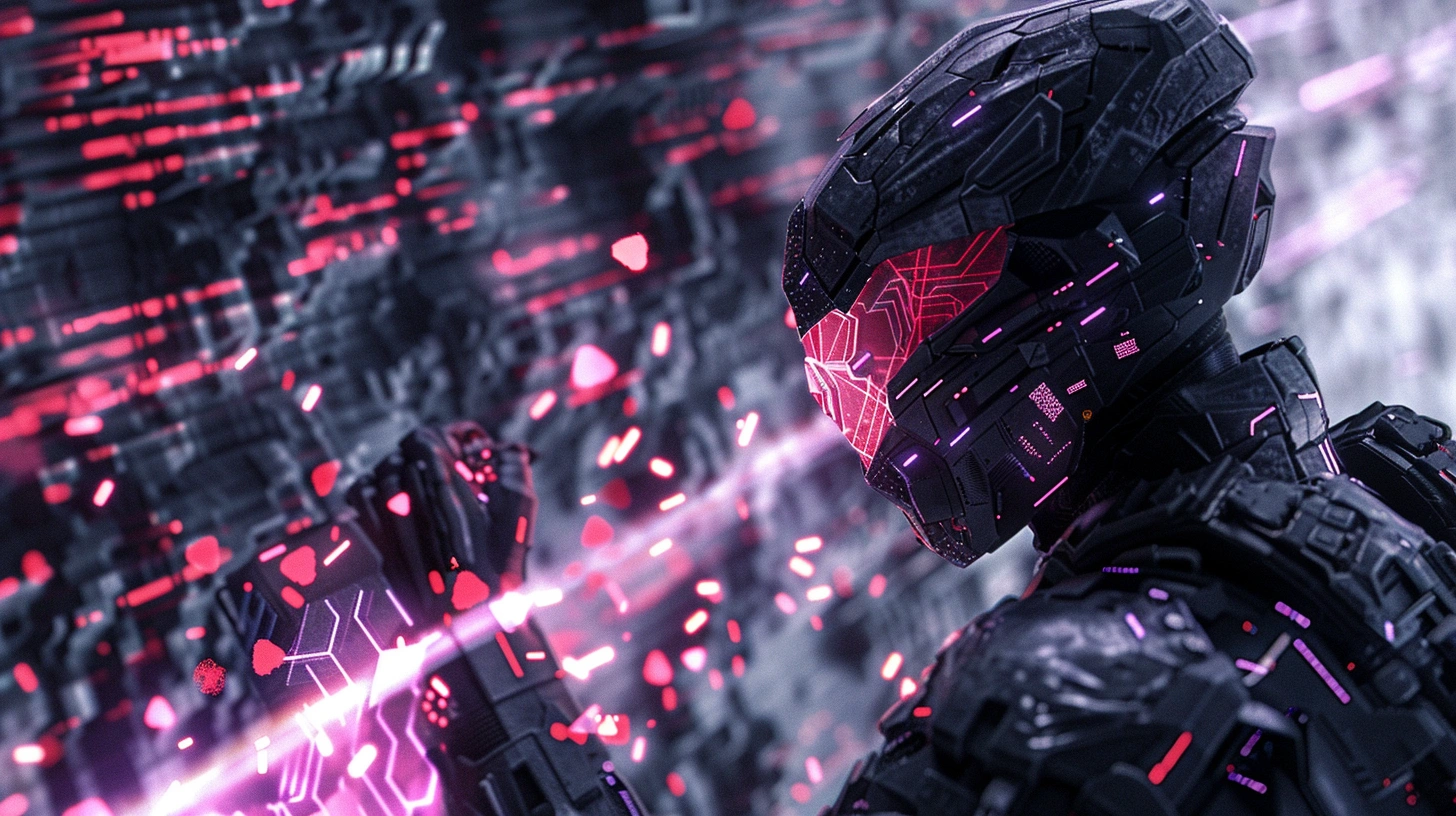
Mechaversus is a science-fiction universe where civilizations compete for control of a critically important resource known as Mechadium. The story takes place in the distant future, where interstellar fleets, pilots, and mechanized armies fight for dominance and survival. Although the project is still evolving and gradually expanding beyond its initial content, it has already established the foundation of an engaging storyline in which players choose their side — humans, aliens, or pirates — and influence the course of the conflict.
The official lore emphasizes that the struggle is not only about territory but also about technological superiority. This creates room for new factions, unique weapon types, and expansion of the galactic map in future updates. The in-game narrative unfolds gradually, allowing players to discover details of the universe through missions and events. This approach builds a sense of involvement in a large-scale conflict rather than isolated battles.
2. Gameplay and Mechanics
Mechaversus combines tactical combat with strategic progression, offering a well-designed turn-based battle system and extensive customization options. By controlling combat mechs, players shape their own playstyle through the combination of abilities, roles, and equipment. The gameplay demands not only quick thinking but also careful analysis, as every decision can influence the outcome of a battle. Gradual mastery of the mechanics unlocks new tactical possibilities and makes matches more engaging.
Key gameplay elements include:
- Turn-based combat — battles against other players or NPCs require calculated actions and smart positioning.
- Mech customization — modifying modules, weapons, and stats allows adaptation to different tactical approaches.
- Role system — units can serve as attackers, defenders, or support specialists.
- Team synergy — effectiveness depends on coordination and thoughtful role distribution.
- Ranked seasons — players compete for leaderboard positions and earn valuable rewards.
- Balance updates — regular adjustments maintain strategic diversity and fair competition.
These mechanics create a layered gameplay structure where both individual skill and strategic planning matter. Players continuously adapt their tactics to balance changes and opponent behavior, keeping the experience fresh over time. The competitive element further motivates users to improve their builds and deepen their engagement with the ecosystem.
3. NFTs, Tokens, and In-Game Assets
One of the core features of Mechaversus is its integration of blockchain technology and NFTs. All significant in-game items — from mechanical heroes to weapons and equipment — exist as non-fungible tokens that players truly own. This approach changes the traditional model of in-game ownership, as assets are no longer tied solely to the developer’s servers.
Players can store items in personal crypto wallets, transfer them to others, or trade them on external marketplaces. This creates additional value beyond the game itself and establishes real digital ownership. Thanks to blockchain transparency, the origin and rarity of each asset can be easily verified.
| Asset Type | Description | Function |
|---|---|---|
| Mechs | Individual combat units | Used in battles and customized by players |
| Weapons | Equipment for mechs | Improves combat performance |
| Helmets | Pilot gear | Provides bonuses and abilities |
| Arenas | Battle locations | Used in PvP and PvE modes |
| Artifacts | Rare items | Offer strategic advantages |
Each digital item has a rarity level that affects both its value and battlefield effectiveness. Some NFTs can be upgraded by combining them with other resources, adding a layer of long-term progression. Free trading enables a player-driven secondary market where demand shapes value. As a result, in-game achievements directly influence asset prices.
4. Economy and Tokenomics of Mechaversus
The economic model of Mechaversus revolves around the $MechaX token, which is used for most operations within the ecosystem. It serves as the main currency for purchasing items, entering events, and interacting with marketplaces.
Players earn rewards through active participation, victories in battles, and mission completion. Staking mechanisms also allow users to generate passive income by holding tokens long-term. This structure supports both active gameplay and investment involvement, while balancing spending and rewards ensures stable token circulation.
The economy includes token-burning mechanisms that reduce the total supply in circulation. This helps control inflation and maintain the value of in-game resources. Certain economic parameters are governed through decentralized voting, giving the community a voice in shaping the project’s financial future.
5. Community and Ecosystem Development
The community plays an important role in the growth of Mechaversus. Players interact through social platforms, discuss updates, and share tactical insights. The team regularly publishes roadmaps and development plans, increasing transparency and strengthening trust. Active members are rewarded for contributing to promotion and community growth, creating a lively and engaged environment around the game.
Partnership programs help expand Mechaversus’ presence in both the gaming and crypto industries by attracting new audiences and integrating additional services. The ecosystem is gradually evolving beyond a single game into a broader digital platform that combines entertainment, asset ownership, and elements of decentralized governance. As a result, the project demonstrates how blockchain can transform traditional gaming models by uniting strategic gameplay, NFT ownership, and thoughtful tokenomics into a sustainable system with long-term growth potential.











