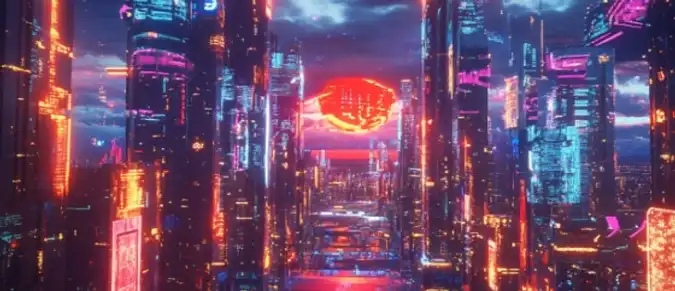

Otherside is one of the most discussed projects in the crypto industry due to its unique concept of merging the metaverse and blockchain technologies. The Otherside project was announced in March 2022 as part of the Bored Ape Yacht Club (BAYC) ecosystem by Yuga Labs. The primary goal of Otherside is to create a decentralized metaverse where users can interact with various digital assets, own NFT lands, and participate in the development of the Web 3.0 world. The project promises to provide users with a unique experience of interaction and economic opportunities based on blockchain.
- History and Concept of Otherside
- Mechanisms and Technologies of Otherside
- NFT Integration and Land Parcels
- Metaverse Economic Model
- Conclusion

History and Concept of Otherside
Otherside was developed by Yuga Labs, known for its NFT collection — the Bored Ape Yacht Club (BAYC). The project was announced in March 2022 and immediately attracted the attention of the crypto community. The concept of Otherside is based on the creation of a fully decentralized metaverse that combines elements of MMORPG, NFT ownership, and blockchain integration.
The project offers users a unique opportunity to acquire and manage digital assets in the form of land parcels, which are used for interaction within the metaverse. Landowners can build, create, and develop their territories, as well as interact with other users.
Otherside has drawn the attention of crypto enthusiasts and investors due to its idea of creating an ecosystem where every participant can own part of the virtual world using blockchain and NFTs. The project is focused on the development of decentralized communities where users can exchange assets and participate in the evolution of the metaverse based on Web 3.0.
Mechanisms and Technologies of Otherside
Otherside uses advanced blockchain technologies to ensure decentralized management and operation. The platform is based on Ethereum and uses smart contracts to automate processes and secure transactions. An essential element is the use of ApeCoin (APE) — the primary token for transactions within the metaverse.
The project integrates blockchain with virtual reality and gaming technology, creating a fully digital world where users can explore new spaces, interact with other participants, and own virtual assets. The developers of Otherside also actively use IPFS (InterPlanetary File System) technology to store and manage data in a distributed network, which enhances the platform's security and reliability.
The technological features of Otherside include:
- Smart contracts based on Ethereum
- ApeCoin as the primary currency
- NFTs for land ownership
- Virtual reality for interaction
- IPFS for decentralized data storage
This approach provides a high level of data security for users and economic independence for each participant in the metaverse.
NFT Integration and Land Parcels
One of the key features of Otherside is the integration of NFTs. Users can own virtual lands in the metaverse, which are bought and traded as NFTs. Each land is a unique token representing a virtual plot that can be developed and used for various purposes.

There are several categories of land parcels, each with its unique characteristics and resources. Landowners can create various objects, such as buildings, artifacts, and landscape elements. The capabilities of NFTs allow users to have full control over their assets, exchange them on the market, and utilize them in the economic ecosystem of Otherside.
The land parcels in the metaverse are divided into several rarity levels, affecting their value and usage potential. For example, some lands may contain rare resources necessary for creating unique objects or hosting special events.
| Land Category | Characteristics | Rarity Level |
|---|---|---|
| Common Land | Basic resources | Low |
| Rare Land | Unique artifacts | Medium |
| Legendary Land | Special features and rare resources | High |
Metaverse Economic Model
The economy of Otherside is based on the use of ApeCoin and NFTs. ApeCoin is the primary currency used for purchasing land, transactions, and exchanges within the metaverse. Thanks to blockchain integration, each transaction is fully transparent, and asset owners can be confident in the security of their funds.
The platform allows for the creation of income-generating assets. Landowners can build various objects on their lands that can generate income, such as through rentals, events, or trading. Otherside also features a Play-to-Earn mechanism, allowing users to earn cryptocurrency by participating in activities and interacting with other participants.
The main components of the Otherside economic model include:
- ApeCoin as the primary transaction token
- Interaction with NFTs for ownership and trading
- Play-to-Earn opportunities for income generation
- Asset management through smart contracts
This model allows users to participate in the development of the metaverse and benefit from their actions in the virtual world.
Conclusion
Otherside is a unique project that combines the capabilities of blockchain technologies, NFTs, and virtual worlds. With its decentralized structure and the use of ApeCoin, users gain full ownership of their assets and can participate in the metaverse economy. The Otherside project is an important step towards creating a complete Web 3.0, where digital assets become an integral part of interactions between users and platforms.











