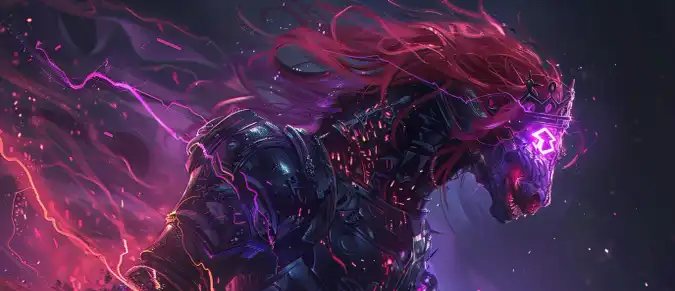

Pegaxy is a hybrid Web3 game that blends futuristic digital racing, NFT horse ownership, and an advanced dual-token economic system. The project combines the thrill of competitive gameplay, strategic decision-making, and digital asset management, allowing users to play while building their own virtual stables. Pegaxy appeals both to GameFi enthusiasts and to players seeking an innovative format of online competition. Thanks to its dynamic gameplay and reward opportunities, it has become one of the standout titles in the NFT racing genre. In this analysis, we explore Pegaxy’s mechanics, economic architecture, strengths, risks, and long-term development potential.
Contents
- Pegaxy Concept and Ecosystem Foundations
- Pega Gameplay and Core Mechanics
- Pegaxy Economy and Token Structure
- Game Advantages and Limitations
- Future of Pegaxy and Final Assessment

1. Pegaxy Concept and Ecosystem Foundations
Pegaxy (Pegasus Galaxy) is a PvP Web3 racing game that merges elements of classic competitive racing with blockchain-based digital ownership. The core characters — Pega — are unique NFT racehorses with their own stats, rarity tiers, and growth potential. These assets serve as the centerpiece of the ecosystem, enabling participation in races, breeding new generations, or renting them to other players. The “play, own, and manage” approach enriches gameplay and reinforces the feeling of true digital ownership.
The project launched in 2021 with the release of the Founding Pega collection, which established the foundation of the ecosystem and attracted early adopters. The developers aimed to build a flexible platform capable of supporting multiple gameplay formats and economic systems. By utilizing the Polygon network, Pegaxy offers low fees, fast transaction processing, and a scalable technical structure. This ensures smooth access for a global audience and strengthens the game’s reputation in the Web3 space.
Pegaxy stands out for combining gameplay depth with economic and social layers. Players can build customized stables, track Pega performance analytics, and study market trends to make informed decisions. This management component helps foster long-term engagement and encourages strategic planning. The community also plays a major role in ecosystem expansion through tournaments, educational events, and interactive activities.
Over time, the project has continued to evolve, updating race visuals, introducing new Pega generations, and improving system balance. The team aims to maintain accessibility for beginners while preserving strategic depth for advanced users. Thanks to consistent updates, Pegaxy remains relevant despite growing competition in the GameFi market. With new modes and mechanics being introduced, the ecosystem continues to expand and attract new participants.
2. Pega Gameplay and Core In-Game Mechanics
The core of Pegaxy is its large-scale PvP races, where 12–14 NFT horses compete simultaneously. While outcomes are partially influenced by randomness, players can increase their Pega’s chances by adjusting stats through food, gear, and proper track matching. Each race combines luck, preparation, understanding of environmental effects, and knowledge of the game’s meta. This hybrid model keeps the gameplay exciting and encourages repeated participation.
Key gameplay elements:
- PvP races: compete for top-3 placements, rewards, and leaderboard ranking.
- Pega stats: speed, element type, rarity, and generation directly influence results.
- Pega rental: allows newcomers to participate without purchasing an NFT.
- Breeding: create new Pega with inherited traits and unique combinations.
- Accessories and upgrades: items that enhance efficiency and increase win potential.
Pegaxy’s gameplay is designed for fast-paced action: races are short, and results appear instantly, motivating players to enter repeatedly. The addition of factors such as weather conditions, elemental advantages, or rare skills adds layers of strategy. The user interface remains intuitive, ensuring that even inexperienced players can quickly join the action.
Updates over time introduced more personalization options and increased variety in Pega behavior. New stat categories affect stamina, responsiveness to track elements, and overall victory probabilities. These changes deepen gameplay and reduce predictability, pushing players to refine strategies. Ongoing updates keep the experience fresh and offer new ways to interact with the ecosystem.
3. Pegaxy Economy and Token Structure
The economic system of Pegaxy relies on two tokens — VIS and PGX. VIS is the primary in-game currency earned from races and spent on breeding or improving Pega. PGX is the governance token used for ecosystem-level transactions, voting, and high-tier operations. This dual-token structure enhances economic stability and reduces market volatility within the game.
Key economic components:
| Component | Description |
|---|---|
| Pega (NFT) | The primary asset of the game, used in racing, breeding, renting, and trading. |
| VIS | The main in-game currency earned from victories and used for upgrades. |
| PGX | The governance token for voting and ecosystem-level operations. |
| Rental system | Allows players to participate without buying a Pega, lowering entry barriers. |
| Marketplace | Trading of Pega and accessories, shaping supply, demand, and overall pricing. |
Pegaxy’s economic framework aims for long-term balance: token distribution mechanics help control inflation and preserve asset value. Owners can strategically manage their stable by optimizing breeding cycles, racing performance, and market trades. Well-prepared Pega tend to appreciate in value, making knowledge and involvement key factors for success.
The developers consistently fine-tune the Play-to-Earn model, adjusting token emissions and reward structures to maintain ecosystem stability. This dynamic model rewards engagement but also requires players to understand market trends. Pegaxy’s economy is rich and functional, yet it demands strategic thinking.

4. Game Advantages and Limitations
Before reviewing Pegaxy’s advantages, it's important to recognize that the game has built a robust ecosystem where strategy, economic depth, and competitive racing intersect. Players can engage at multiple levels, from casual participation to active management of valuable digital assets. This layered design keeps the experience engaging for both newcomers and experienced users. Continuous updates and system expansions contribute to Pegaxy’s reputation as a constantly evolving Web3 project.
Pegaxy Advantages:
- Accessibility: renting Pega makes the game beginner-friendly.
- Variety of mechanics: racing, breeding, renting, accessories, and marketplace trading.
- Developed economy: multiple ways to earn VIS or increase NFT value.
- Unique digital assets: Pega combine visual appeal with functional gameplay utility.
- Constant updates: frequent content expansions and new features.
Despite its strong points, Pegaxy faces typical GameFi challenges. The game’s economic sustainability depends on user activity and token market stability, making income projections uncertain. Additionally, competition in Web3 gaming is rapidly increasing, and many new projects introduce comparable Play-to-Earn models.
The randomization of races is another controversial aspect: it creates excitement but reduces player control over outcomes. During crypto market downturns, demand for Pega may drop, influencing NFT prices. Players must approach the game with awareness of both its potential rewards and inherent risks.
5. Future of Pegaxy and Final Assessment
Pegaxy continues to evolve, and the team shows commitment to innovation and adaptation. One major advancement is Pegaxy: Blaze — a revised game mode that increases the impact of player skill and reduces randomness. This shift introduces a more competitive structure and enhances long-term engagement.
Future updates may include guild features, tournaments, new Pega classifications, and exclusive items. Such expansions will deepen gameplay strategies, diversify objectives, and attract wider audiences. Additional economic instruments could also reinforce investor interest.
The project’s success will depend on the team’s ability to maintain economic balance, ensure fair racing mechanics, and deliver fresh content. Pegaxy has already demonstrated resilience, preserving its player base even after fluctuations in the NFT market. With a well-executed roadmap, the ecosystem could expand further and unlock new gameplay scenarios.
Pegaxy merges Web3 technology, racing mechanics, and strategic economics, offering users multiple ways to participate and grow. The game holds strong potential for future development and remains relevant due to its flexible structure and continuous updates. While risks are present, Pegaxy stands as one of the most intriguing attempts to combine gaming with decentralized digital ownership.











