

Phettagotchi is a dynamic blockchain game featuring NFT pets and built on the Solana network. Players adopt, develop, and battle with unique digital creatures while using Web3 mechanics to create value and earn rewards. Unlike traditional mobile games or simple collectible apps, Phettagotchi combines auto-battle systems, NFT breeding, strategic progression, and a play-to-earn economy, positioning it as a promising representative of the new generation of Web3 games. The project is gradually forming its own digital ecosystem, where in-game assets become part of a decentralized economy. This creates an environment where players can not only enjoy gameplay but also build long-term strategies around digital asset ownership.
Contents
- Project Concept and Vision
- Phettagotchi Gameplay Mechanics
- Economic Model and Tokens
- Comparison with Other Blockchain Games
- Phettagotchi Technical Foundation and Innovations
1. Project Concept and Vision
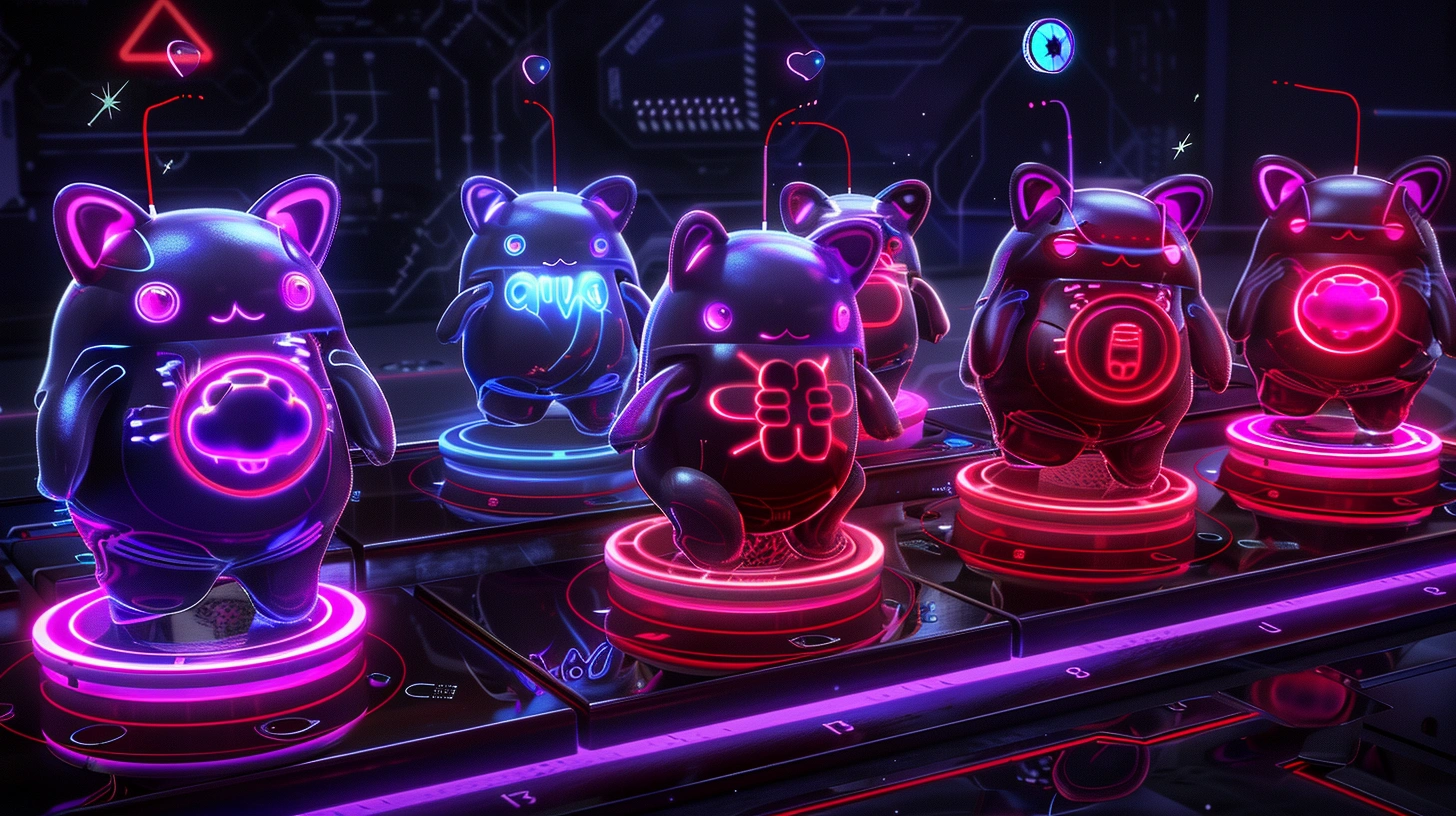
Phettagotchi is a blockchain game where digital creatures serve not only as collectible items but also as active participants in gameplay. Each pet exists as an NFT token, ensuring uniqueness and verified ownership for the player. The core idea of the project is to merge virtual pet care elements with the economic opportunities of Web3 technology. Players do not simply own digital objects — they manage them as full-fledged in-game characters.
The project aims to create an emotional bond between players and their pets, making development an essential part of the user experience. A strong sense of progression plays a key role, as time invested in the game translates into greater strength and rarity of creatures. This encourages players to return regularly and stay engaged. As a result, a sustainable interaction model emerges where involvement directly affects the value of in-game assets.
2. Phettagotchi Gameplay Mechanics
The Phettagotchi gameplay system revolves around NFT pet development, participation in battles, and earning rewards within a unified progression loop. Every action taken by a player influences the growth of creatures and their value within the ecosystem. The mechanics combine strategy, collectible elements, and economic incentives, forming a sustainable engagement model. Because of this, the game feels like a complete Web3 environment rather than just an NFT platform. All in-game processes are interconnected: development improves combat performance, victories bring resources, and resources allow further advancement. This creates a continuous activity cycle that maintains player interest over time.
- NFT pets as the core of the game. Digital creatures exist as NFTs stored in the player’s wallet. Each pet has unique attributes that affect its abilities, rarity, and performance in battles. Players can develop their pets, strengthening their parameters and increasing both their gameplay and market value.
- Battles and strategic development. The gameplay includes automated battles where outcomes depend on pet attributes and chosen tactics. Victories grant experience and allow creatures to grow stronger, unlocking new possibilities. PvP mechanics add a competitive element and create diverse player strategies.
- Reward system and internal economy. Rewards are granted for activity, event participation, and pet development. Internal tokens and NFTs circulate within the ecosystem, linking gameplay to real market mechanisms. Players can earn through play-to-earn mechanics, use tokens for operations, trade pets, and join special events with bonus rewards.
This structure supports long-term engagement, as value is created through activity, strategy, and the development of digital creatures. Players gradually form their own playstyles, choosing between aggressive progression, competitive battles, or market-oriented strategies. The ecosystem remains dynamic due to the constant movement of assets and evolving tactics. As a result, a living game environment emerges where the collectible aspect is tightly connected with functionality and economic value.
3. Economic Model and Tokens
The game’s economic model is built around player activity. Rewards may be distributed for victories, participation in events, and pet development. Tokens and NFTs become part of internal circulation, forming a digital economy that connects gameplay with real market mechanisms. Additionally, the incentive system helps balance competition and progression, ensuring that active players feel rewarded for their time investment. Regular participation plays an important role, as many rewards depend on consistent interaction with game mechanics. This approach creates sustainable motivation for players to return and continue developing their pets.
Over time, this may lead to the formation of a stable in-game market where asset value is determined not only by rarity but also by development history. Players begin to view pets as long-term digital assets rather than short-term game items. This increases engagement and encourages more thoughtful resource management strategies. As a result, the game economy becomes more dynamic and directly influenced by community activity.
4. Comparison with Other Blockchain Games
To better understand Phettagotchi’s position in the Web3 entertainment market, it is useful to compare it with other projects featuring NFT pets and collectible mechanics. Many similar games focus primarily on visual rarity or simplified gameplay loops with minimal strategy. However, the industry is gradually shifting toward deeper gameplay where digital assets have practical in-game utility. Phettagotchi follows this direction by combining competitiveness, progression, and economic incentives.
| Game | Type | Blockchain | Economy | Uniqueness |
|---|---|---|---|---|
| Phettagotchi | Auto-battles, NFT pets | Solana | Play-to-earn, NFT | Development and strategy |
| Blockchain Cuties | Collectible RPG | Ethereum and others | NFT | Classic collecting model |
| My DeFi Pet | NFT pets | BSC | Play-to-earn | DeFi integration focus |
Phettagotchi stands out due to its combination of competitive mechanics and a structured economic model. Unlike projects that focus solely on NFT rarity, gameplay strategy plays a central role here. This makes the ecosystem more dynamic and interactive. In the long term, such an approach can retain audiences more effectively than static collection-based systems.
5. Phettagotchi Technical Foundation and Innovations
Phettagotchi operates on the Solana blockchain, which provides high transaction speeds and minimal fees — a crucial factor for games with a large number of daily actions. Smart contracts manage the issuance and logic of NFT pets, while the infrastructure is designed for scalability and the integration of new features without performance loss. The project’s architecture also allows for API connections and external tools, opening the door to automated strategies, analytics services, and advanced user solutions. This technological flexibility forms a strong foundation for long-term ecosystem growth.
More broadly, Phettagotchi demonstrates how gameplay mechanics and blockchain can merge into a unified digital environment. The project combines strategy, collectible elements, and a Web3-based economy where NFT pets are not just visual assets but functional participants in gameplay. This changes how users interact with digital assets, giving them practical value within the ecosystem. Despite market volatility, the concept shows strong growth potential, especially with an active community and a balanced internal economy. All of this positions Phettagotchi as a notable representative of the new generation of blockchain games.











