

Project Kyzen is an innovative Web3 project that combines the creation of unique 3D avatars, fast-paced PvP arena modes, and a tokenized system of digital asset ownership. It aims to break traditional boundaries between gaming, creativity, and social interaction by giving users full control over their digital identity, allowing them to use it in battle modes, user-generated maps, and various metaverse environments. In this article, we will explore Kyzen’s core concept, how its game systems function, the fundamentals of its Web3 integration, and the key growth opportunities and challenges the project will face on its path forward.
Contents
- Concept and Core Vision of Project Kyzen
- Avatars, Gameplay, and Mini-Battle Arenas (MiBA)
- Web3 Infrastructure and Digital Ownership
- Social Ecosystem, Partnerships, and User-Generated Content
- Strengths, Challenges, and Future Prospects
- Conclusion
1. Concept and Core Vision of Project Kyzen
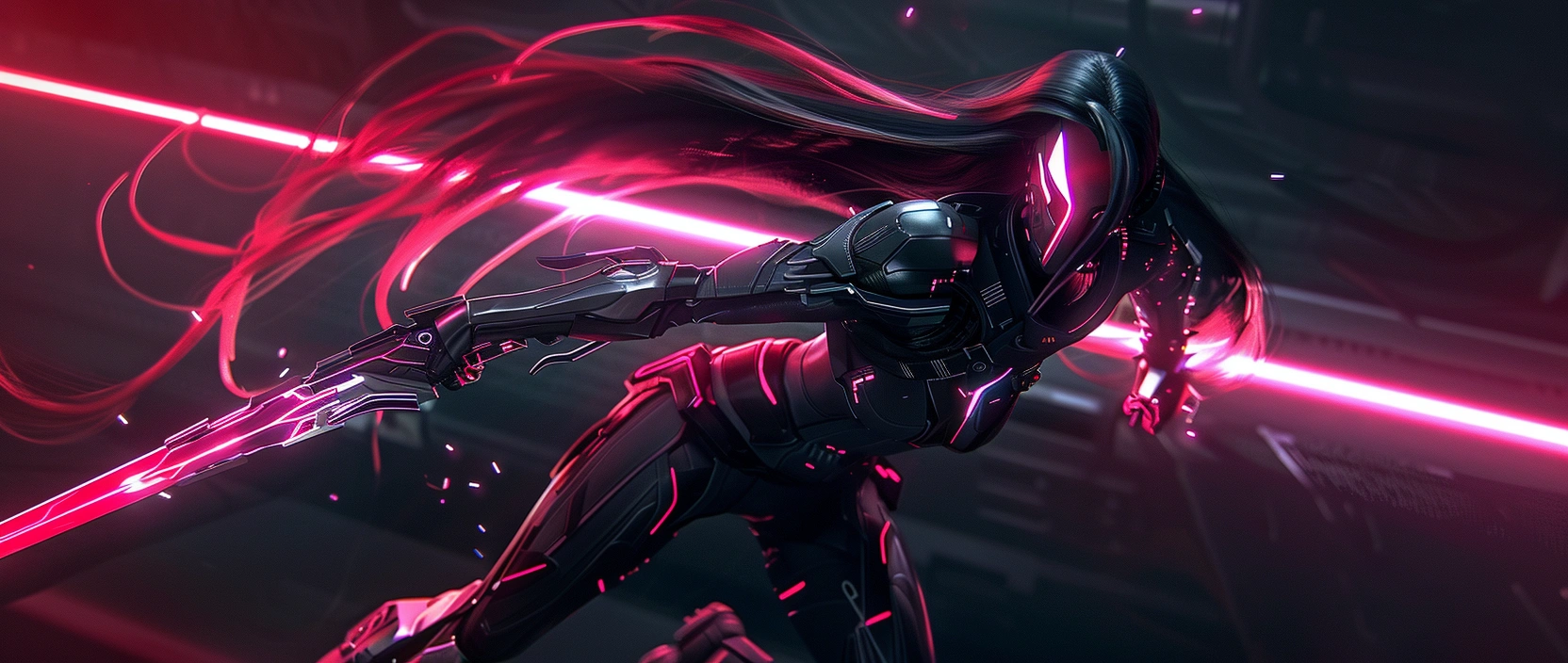
Project Kyzen is being developed as a hybrid ecosystem that blends fast-paced gameplay, digital identity, and Web3 capabilities into a unified experience. The developers’ primary goal is to create a platform where every user can craft a personalized 3D avatar and use it across various gameplay and social environments. Unlike traditional games, where characters belong to the platform, Kyzen emphasizes true ownership—your avatar becomes a digital asset that exists independently of centralized servers.
The project’s name is inspired by the Japanese concept of "kaizen," which refers to continuous improvement. This philosophy reflects the team's intention to consistently expand functionality and grow the ecosystem. Instead of being a static game, Kyzen evolves as a long-term platform featuring new maps, creation tools, cryptographic mechanics, and unique events. Its structure resembles a digital archipelago—multiple interconnected zones, each serving its own purpose within the larger ecosystem.
Importantly, Kyzen is designed for a broad audience. A user can join without deep knowledge of blockchain, as Web3 mechanics are hidden behind an intuitive interface and user-friendly tools. This lowers the entry barrier and makes the project accessible to both traditional gamers and newcomers to NFT technologies, digital avatars, and tokenized ownership. By combining thoughtful game design with modern technology, Kyzen lays the groundwork for sustainable long-term development.
2. Avatars, Gameplay, and Mini-Battle Arenas (MiBA)
Fully customizable 3D avatars are the core of Project Kyzen. Players can adjust appearance, choose styles, equip accessories, and personalize their character in detail. Avatars are created using Unreal Engine and are adapted for a variety of modes—from social hubs to high-intensity PvP encounters. This robust customization system allows players to craft truly unique digital personas.
Key Gameplay Components of Kyzen:
- 3D Avatar Creation — extensive customization, expressions, and accessories.
- Mini-Battle Arenas (MiBA) — fast PvP modes: duels, team battles, free-for-all chaos, and point-capture zones.
- Map Editor — a tool for building user-generated arenas.
- Mobility and Physics — dashes, jumps, vertical gameplay, energy boosts, and dynamic terrain.
- Social Zones — spaces for communication and collaboration.
MiBA represents Kyzen’s signature gameplay pillar. These compact arenas are designed for short but intense matches, making the game suitable for both quick casual sessions and extended competitive play. Levels focus on action—narrow corridors, vertical layouts, and energy fields encourage strategic decisions and fast reflexes.
Over time, developers plan to introduce new events, competitive seasons, and unique gameplay items. The map editor adds another layer of depth by allowing players to create their own tournaments and arenas. This approach enhances the value of avatars and contributes to the formation of a self-sustaining in-game ecosystem.
3. Web3 Infrastructure and Digital Ownership
Project Kyzen is built from the outset as a Web3-native platform. Every avatar can be tokenized, and customized items can be transformed into NFTs. This turns digital identity into a fully owned asset—players can manage it just like any other property. Individual equipment pieces and even custom maps can become part of the player’s inventory.
| Asset | Function |
|---|---|
| 3D Avatar | A digital identity linked to the user’s wallet and usable across multiple zones. |
| Skins & Accessories | Collectible NFTs that can be traded or sold. |
| User-Generated Maps | Playable NFT assets with potential monetization options. |
| Wallet | A storage point for digital assets and gateway to Web3 interaction. |
| Transactions | Low-fee, gas-optimized interactions with cross-platform potential. |
The primary goal of Web3 integration is not simply enabling NFT trading, but providing real ownership and autonomy. Avatars can be used across different parts of the platform and, potentially, in external systems in the future. This creates a flexible foundation for digital economies and user-driven creative markets.
The architecture also reduces reliance on centralized servers, giving players more control. At the same time, it opens opportunities for alternative business models based on real digital asset value rather than subscriptions. This makes Kyzen particularly appealing to those who believe in the long-term potential of tokenized digital identity.
4. Social Ecosystem, Partnerships, and User-Generated Content
The social layer plays a significant role in Project Kyzen. Users can interact in shared spaces, form groups, and collaborate on creative projects. Internal communities grow alongside the gameplay systems and shape the emerging culture of the platform.
A notable example of Kyzen’s strategic partnerships is its collaboration with the Bruce Lee Family Company. This partnership introduced an exclusive Bruce Lee avatar and themed items into the game, increasing visibility and attracting new audiences, including fans of iconic cultural figures.
User-generated content is another critical component. Tools for creating maps and custom materials turn players into co-creators of the metaverse. This diversifies the game environment and ensures the constant growth of fresh content. A strong creative community is one of the central pillars of Kyzen’s long-term sustainability.
Future updates will introduce map rankings, seasonal competitions, and creative challenges, further expanding the social and participatory nature of the ecosystem.
5. Strengths, Challenges, and Future Prospects
Kyzen’s strengths lie in its dynamic gameplay, deep avatar customization, Web3 support, and emphasis on digital ownership. This combination creates a unique experience where players can express themselves visually and competitively while also owning the assets they create or earn.
However, the project faces challenges typical for Web3 games: maintaining server stability, consistently releasing new content, and balancing gameplay mechanics. Additionally, Web3 elements must remain intuitive to avoid overwhelming newcomers. Ensuring accessibility while preserving technological depth will be essential for mass adoption.
Despite these challenges, Kyzen’s potential is significant. The team is building infrastructure that could become a foundation for the next generation of Web3 gaming. With the ongoing growth of digital ownership and metaverse platforms, Kyzen has an opportunity to establish a leading position in the industry.
Community engagement, strategic partnerships, and adaptability will play major roles in determining Kyzen’s long-term success. If the project continues to evolve steadily, it may become one of the defining Web3 platforms in the coming years.
6. Conclusion
Project Kyzen represents a bold attempt to merge Web3 identity, user creativity, and dynamic PvP gameplay into a unified ecosystem. Its customizable avatars, MiBA arenas, map editor tools, and tokenized assets distinguish it from traditional games and position it as an important step forward for Web3 gaming.
While the platform is still developing, its potential is clear. Personalization, social systems, partnerships, and the emphasis on digital ownership give Kyzen a strong foundation for becoming a new kind of game—one that blends creativity, competition, and blockchain technology. If the team succeeds in realizing its vision, Kyzen could become a benchmark for future Web3 projects.











