

In the ever-evolving world of digital entertainment, collectible card games (CCGs) continue to be one of the most popular genres. Against this backdrop, Project O emerges—an ambitious project from Koin Games that aims to rethink familiar formats and offer players something completely new. This mobile game combines fast, dynamic gameplay, deep strategic possibilities, and innovative technologies, including Web3 elements and digital ownership.
Developed in collaboration with the Immutable platform, Project O is positioned as a high-energy, competitive title designed to attract both genre veterans and new players. The game is inspired by classic CCGs but adds unique mechanics that make each match unpredictable and exciting. From the very beginning, the project demonstrates a high level of polish, promising to become a significant phenomenon in the world of digital card games.
Contents:
- Game Concept and Mechanics of Project O
- Gameplay Uniqueness and Strategic Depth
- Universe and Artistic Design
- Project O's Economy and Collectible Value
- Development Prospects and Project Partnerships
- Conclusion
Game Concept and Mechanics of Project O
Project O is a dynamic collectible card game where players battle using a deck of 13 cards. The main goal is to destroy two of the opponent's three generators, located on three different lanes. Each generator essentially represents a separate health bar, and destroying them is the key to victory. A unique feature is the simultaneous turn system. Similar to games like Marvel Snap, both players make their moves within the allotted time, and then all actions are resolved simultaneously.
This mechanic eliminates simple "waiting" gameplay and requires players to be able to predict the opponent's actions and quickly adapt to the changing situation on the board. Each player starts with one unit of energy, which increases by one point each turn. It is important to note that unused energy does not carry over to the next turn, forcing players to constantly be in action and use their resources efficiently.
Gameplay Uniqueness and Strategic Depth
The gameplay in Project O is characterized by high speed and strategic depth, making it attractive to a wide audience. The average match duration is only 7-9 minutes, which is ideal for mobile platforms. Despite its dynamism, the game offers many tactical possibilities.
Before a match begins, players must assemble their deck. Project O uses a three-lane system, reminiscent of "Hearthstone" or "Magic: The Gathering" with an added element of positional strategy. Each lane has unique properties that can affect the outcome of the battle.
List of key gameplay elements:
- Simultaneous Turns: Players make decisions simultaneously, adding unpredictability.
- Three-Generator System: Victory requires destroying two of the opponent's three generators, creating multiple fronts for attack.
- Unique Card Abilities: Each card has its own characteristics and unique effects.
- Positional Strategy: Card placement on the board is crucial.
The gameplay begins with a placement phase, where players place cards on chosen lanes. Then comes the battle phase, where effects are resolved and clashes occur. Proper planning, knowledge of the cards, and the ability to anticipate the opponent's actions are the keys to success.
Universe and Artistic Design
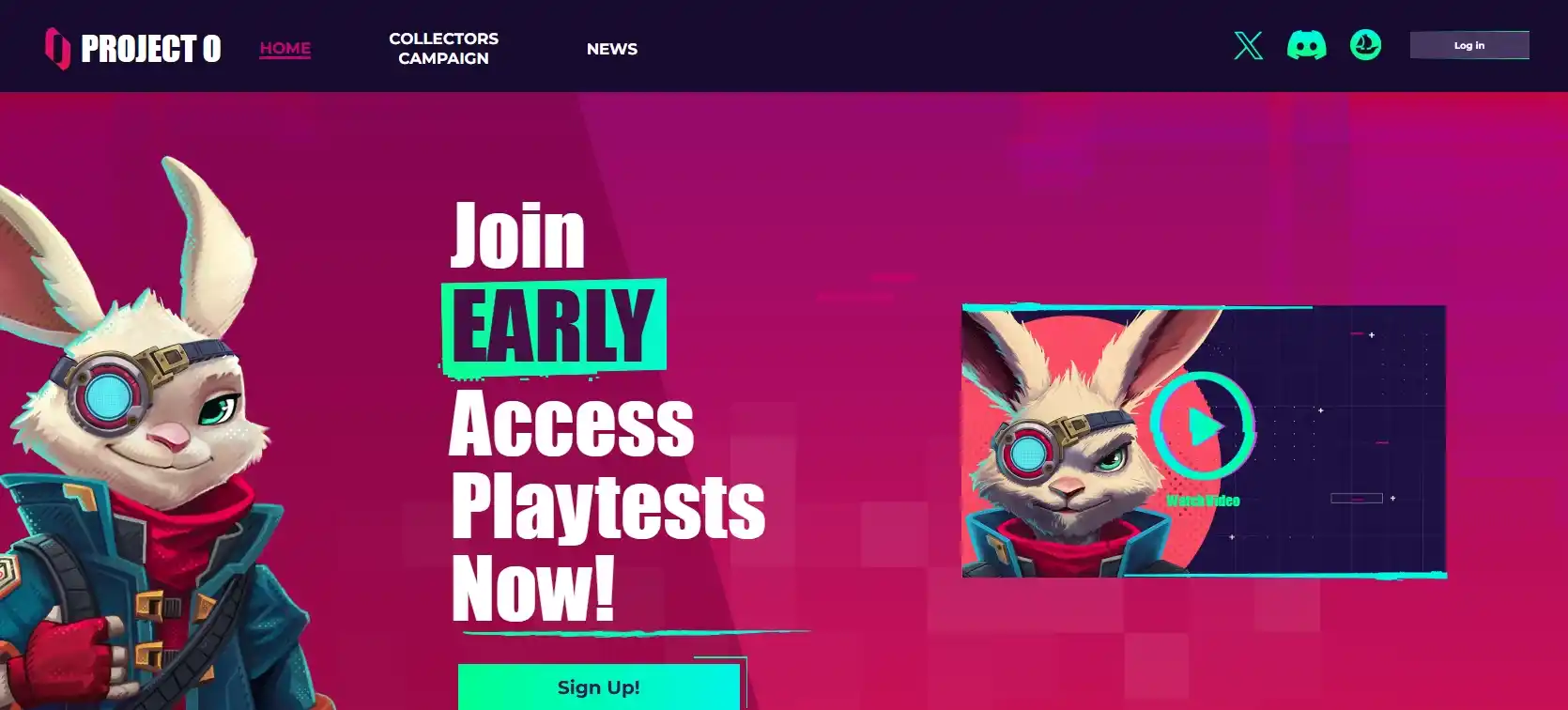
The visual style of Project O immediately grabs attention with its bright and memorable design. The game combines familiar imagery with original elements, creating a unique and distinctive universe. Central to it are the characters—recognizable figures from fairy tales and legends, such as Robin Hood or Little Red Riding Hood, presented in a new, modern interpretation. They serve not only as game units but also as animated avatars, showcasing unique victory animations, which adds personality and entertainment value to the matches. The graphics are executed at a high level, with detailed 3D card models that can evolve into more spectacular animated versions.
Table demonstrating some card types and their features:
| Card Type | Description | Examples |
| Units | Basic combat units that fight on the lanes. They have attack and health stats. | Warrior, Archer, Mage |
| Spells | Cards with instant or lasting effects, influencing units, generators, or game mechanics. | Fireball, Heal, Freeze |
| Generators | Game objectives that must be protected to avoid losing. | Life Generator, Shield Generator |
| Rare Cards | Possess unique effects and increased collectible value. | Robin Hood, Little Red Riding Hood |
Project O's Economy and Collectible Value
One of the most discussed features of Project O is its connection to Web3 technology. In partnership with Immutable, the developers have integrated elements of digital ownership into the game, allowing players to own their cards as non-fungible tokens (NFTs). This gives the cards real collectible value and opens up new possibilities for the gaming community. Collectors can track their portfolios on the in-game marketplace, participate in exclusive tournaments, and acquire limited edition cards.
According to the developers, the game will feature not only standard cards but also ultra-rare "graded cards," which further fuels collector interest. This system allows players not just to collect virtual assets but to truly own them, creating a new level of interaction with the game world and its economy. It also opens the door for cross-IP partnerships, which could bring characters from other popular universes into the game.
Development Prospects and Project Partnerships
The future of Project O looks promising thanks to the solid foundation laid by Koin Games and Immutable. The game is already preparing for its pre-season phase, during which players will be able to earn exclusive rewards and gain access to early versions of the game. The partnership with Immutable, known for its solutions for blockchain games, ensures platform stability and reliability, as well as access to a wide audience.
The developers plan to regularly update content, add new cards, game modes, and balance existing mechanics. In the long term, Project O could become one of the leading mobile TCGs, competing with giants like Hearthstone and Marvel Snap. Cross-IP partnerships are also planned, which will allow for the integration of characters and elements from other universes, making collecting even more exciting. The team is actively working on creating a dynamic meta-game that will constantly evolve, maintaining player interest.
Conclusion
Project O represents a bold step forward in the evolution of collectible card games. The combination of fast and intuitive gameplay with deep strategic elements makes it accessible to newcomers and interesting for experienced players. The integration of Web3 technology and digital ownership opens new horizons for collecting and interacting with in-game assets, giving them real value.
The project from Koin Games doesn't just replicate successful formulas but introduces innovative mechanics, such as the simultaneous turn system and three-lane battlefield, making each match fresh and unpredictable. An expansive universe, memorable characters, and high-quality artistic execution complete the picture. Project O has every chance to become a new star in the mobile gaming sky, offering an engaging, strategically rich, and economically significant experience.











