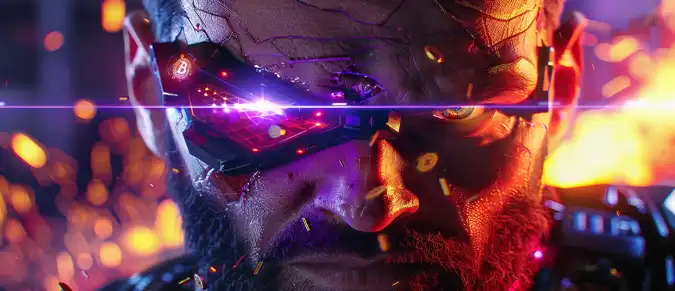

Modern blockchain games are increasingly striving to match the depth and quality of traditional online titles. The Harvest reflects this direction by combining the intensity of a team-based PvP shooter, elements of MOBA gameplay, and Web3 infrastructure. Success depends not only on digital assets but also on teamwork, tactical awareness, and individual skill. The experience is built around competitive matches where coordination and smart use of hero abilities determine the outcome.
The project is developed by The Breach Studios and targets a cross-platform audience. The team aims to integrate blockchain mechanics in a way that supports the gameplay rather than distracting from it. As a result, The Harvest feels like a full-scale esports shooter enhanced by systems of digital ownership and an in-game economy.
Contents
- The Concept and Position of The Harvest in the Industry
- Gameplay and Role System
- Economy and Reward Model in The Harvest
- NFTs and Player Digital Ownership
- Technology and Future Development
1. The Concept and Position of The Harvest in the Industry
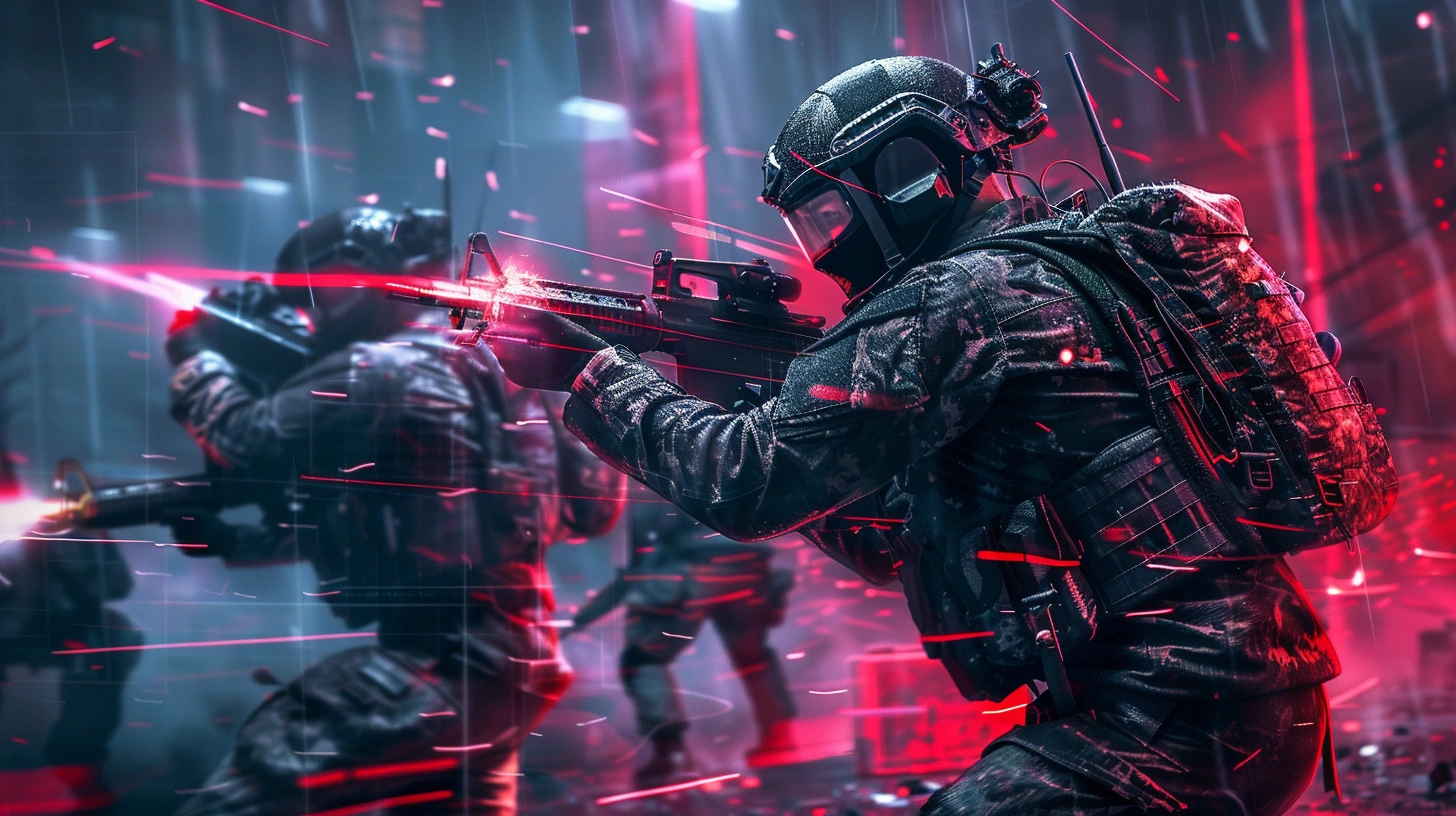
The Harvest blends third-person shooter mechanics with tactical MOBA-style elements. Players form teams and compete for map control while using unique heroes equipped with distinct abilities. This hybrid format adds depth, where accuracy and reflexes matter just as much as understanding roles and working together effectively.
The project aims to occupy a space between traditional esports titles and Web3-powered games. Unlike early play-to-earn models, where financial mechanics often overshadowed gameplay, the focus here is on balance. Blockchain features support the broader ecosystem without replacing the core competitive experience.
This design helps attract players familiar with PvP shooters and MOBA games while gradually introducing them to digital ownership. Cross-platform functionality also plays a key role, connecting users across different devices and expanding the community. As a result, The Harvest evolves into a competitive ecosystem rather than just a standalone game.
2. Gameplay and Role System
Matches take place in team-based PvP battles where each side works toward strategic objectives. Players select heroes that differ in combat style, mobility, and battlefield roles. Some specialize in dealing damage, others focus on support or controlling key zones of the map.
- Team battles centered on coordination
- Diverse heroes with unique abilities
- Tactical control of objectives and territory
- In-match hero progression
- Competitive ranking systems
Combat combines shooting mechanics with active abilities. Players must consider positioning, timing, and synergy with teammates. Hero progression during a match allows strategies to evolve depending on the situation. This ensures that no two games feel exactly the same.
Varied maps with different layouts and cover points add another layer of depth. Players constantly adapt their playstyle based on terrain and objectives. The fast pace keeps tension high throughout each match, reinforcing the competitive spirit of the game.
3. Economy and Reward Model in The Harvest
The Harvest integrates digital assets into its competitive framework. Participation in tournaments, special events, and ranked matches may be connected to rewards that hold value within the ecosystem. However, the primary emphasis remains on skill and performance rather than profit generation.
| Economic Element | Purpose | Player Value |
|---|---|---|
| Tournament Rewards | Incentivize top teams | Motivation to improve skills |
| Game Tokens | Interaction within the platform | Use across ecosystem services |
| Funds and Fees | Support infrastructure | Stability and growth of the project |
Reward value can fluctuate depending on community activity and event structure. This creates a flexible system but does not guarantee stable income. Players are encouraged to see rewards as an additional incentive rather than the primary reason to participate.
The economic framework also helps build a sustainable ecosystem. A portion of resources can support content development and community events. In this way, the economy becomes a tool for long-term growth rather than just a distribution mechanism.
4. NFTs and Player Digital Ownership
The Harvest features NFT items related to visual customization, equipment, and other personalization elements. These assets can be stored on the blockchain, confirming ownership and allowing players to manage them outside the game environment. Users become not only participants in matches but also owners of digital property.
Developers aim to maintain competitive balance by ensuring rare items do not provide decisive advantages. Player skill and team strategy remain the determining factors in battle outcomes. NFTs enhance identity and engagement without replacing core gameplay elements.
A secondary market for digital items adds another layer of interaction. Asset value can be shaped by community demand, making the ecosystem dynamic and evolving. Owning unique items strengthens players’ connection to the game world and encourages long-term participation.
5. Technology and Future Development
The Harvest’s technical architecture combines traditional server systems with blockchain integration. Core gameplay runs off-chain, ensuring stability, low latency, and smooth animation even in intense battles. Blockchain is used to record digital ownership and manage token-based interactions while preserving performance.
Security is another major focus. Anti-cheat systems help verify match results and maintain fairness. Web3 authentication allows players to connect wallets without exposing private keys, improving both safety and user control.
Future development depends on expanding content, organizing tournaments, and growing the community. New maps, heroes, and competitive modes can sustain player interest over time. Technical optimization and service stability remain essential, as a smooth experience drives long-term loyalty.
Overall, The Harvest shows how Web3 technologies can enhance a competitive shooter without disrupting its core structure. The game combines tactical combat, diverse roles, and a digital economy into a unified system where player skill remains the decisive factor.











